



Explainer: Trump Has Little Power to Restart U.S. Economy
U.S. President Donald Trump on Tuesday said he wants the U.S. economy to reopen by Easter Sunday, April 12, despite the rapid spread of the novel coronavirus in some U.S. states and a rising death toll from the disease…
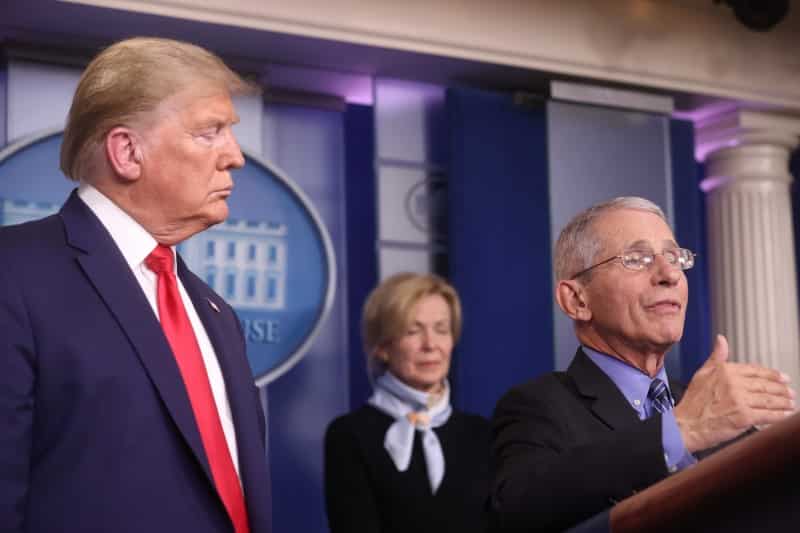
U.S. President Donald Trump on Tuesday said he wants the U.S. economy to reopen by Easter Sunday, April 12, despite the rapid spread of the novel coronavirus in some U.S. states and a rising death toll from the disease.
Legal experts say a U.S. president has quite limited power to order citizens back to their places of employment, or cities to reopen government buildings, transportation, or local businesses. Here is why.
What does the Constitution say about who makes decisions about public welfare?
The United States is a federalist system, meaning power is shared between a national and state governments.
Under the 10th Amendment of the U.S. Constitution, state governments have power to police citizens and regulate public welfare. In the country’s early years, it was up to state and local authorities to lead the response to the yellow fever epidemic, not the federal government.
Reflecting these principles, “disaster response and aid is typically state-led and federally supported,” said Steve Bunnell, the former top lawyer at the U.S. Department of Homeland Security (DHS) and a partner at O’Melveny & Myers.
This bottom-up, rather than top-down, approach to disaster relief makes sense from a policy perspective, said John Cohen, a former DHS official who teaches at Georgetown University.
“Usually, state and local officials on the ground have the best understanding of the issues affecting people in their states,” Cohen said.
Can a U.S. president override state-mandated “shelter in place” orders?
No. The Trump administration can issue nationwide guidance, but it would be unconstitutional for the president to override stay-at-home orders from governors, said Robert Chesney, a professor of national security law at the University of Texas. Mayors or county commissioners are on the same footing as governors, he said.