



Trump Reveals He Is No Longer Taking Hydroxychloroquine
President Donald Trump is confirming he is no longer taking the anti-malarial drug hydroxychloroquine. On Sunday, Trump appeared on the Sinclair Broadcast program “Full Measure With Sharyl Attkisson.” During the…
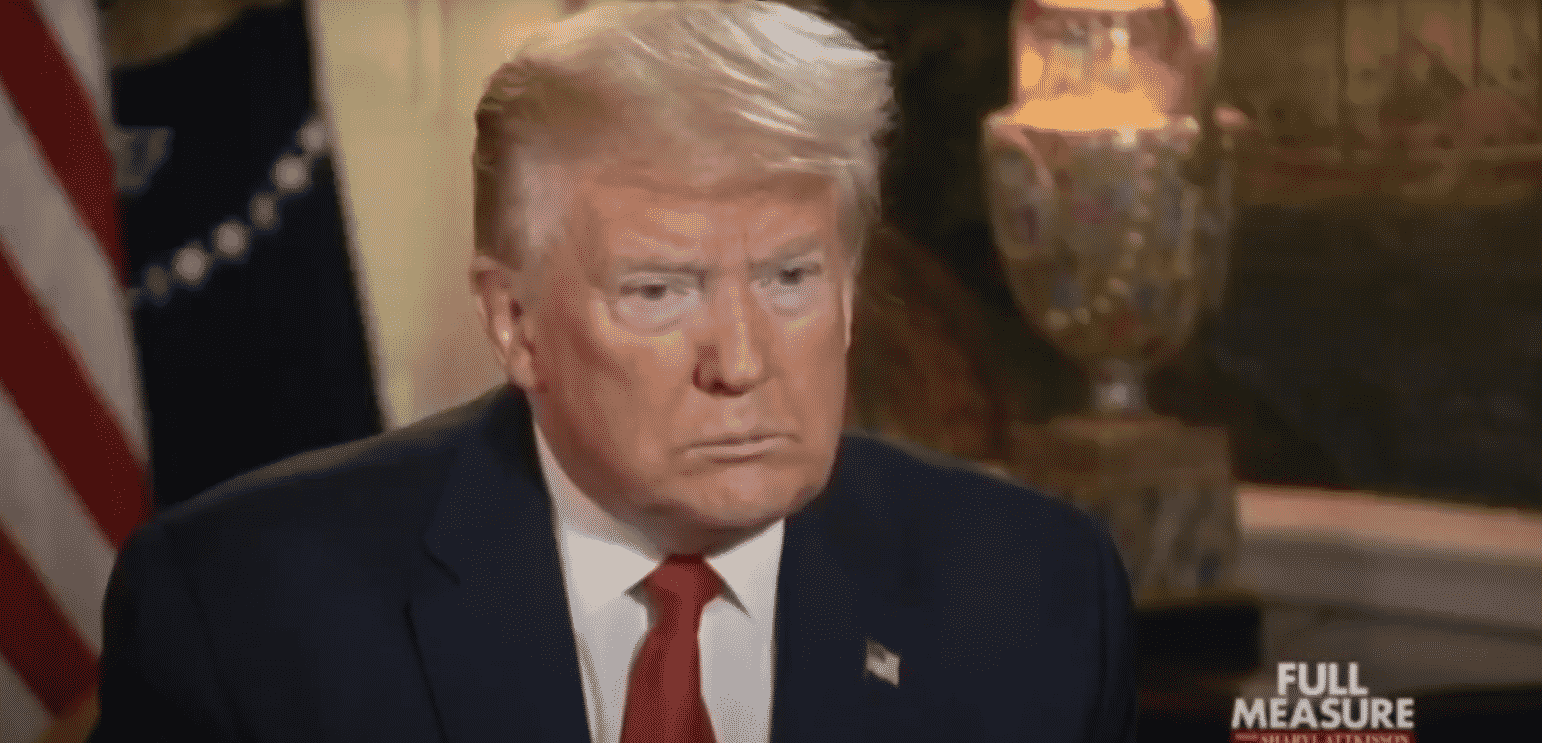
President Donald Trump is confirming he is no longer taking the anti-malarial drug hydroxychloroquine.
On Sunday, Trump appeared on the Sinclair Broadcast program “Full Measure With Sharyl Attkisson.” During the segment, Attkisson mentioned the Food and Drug Administration (FDA) and National Institutes of Health (NIH) warnings against the use of the drug as treatment for coronavirus.
The president confirmed he “just finished” taking the unproven drug he has been touting for coronavirus since March. Trump also appeared to defend the use of the drug again, arguing he is “still here.”
“Finished, just finished,” Trump said during the interview which aired on Sunday. “And by the way, I’m still here. To the best of my knowledge, here I am.”
See Trump’s remarks below:
Trump’s latest remarks about hydroxychloroquine come just one week after he admitted he’d been taking the drug, himself.
During a roundtable discussion, the president revealed he had been taking the drug for more than a week as a preventative measure for coronavirus, as previously reported on IJR.
“I’m taking hydroxychloroquine,” Trump said at the time. “I’ve been taking it for the last week and a half. A pill every day.”
Shortly after the discussion aired, the FDA and NIH