



Trump Says Doesn’t Want ‘Shooting’ After Minneapolis Riot Over Police Killing
U.S. President Donald Trump on Friday tried to walk back a Twitter threat to respond with deadly force to three days of violent protests in Minneapolis over the police killing of an unarmed black man. “Looting leads to…
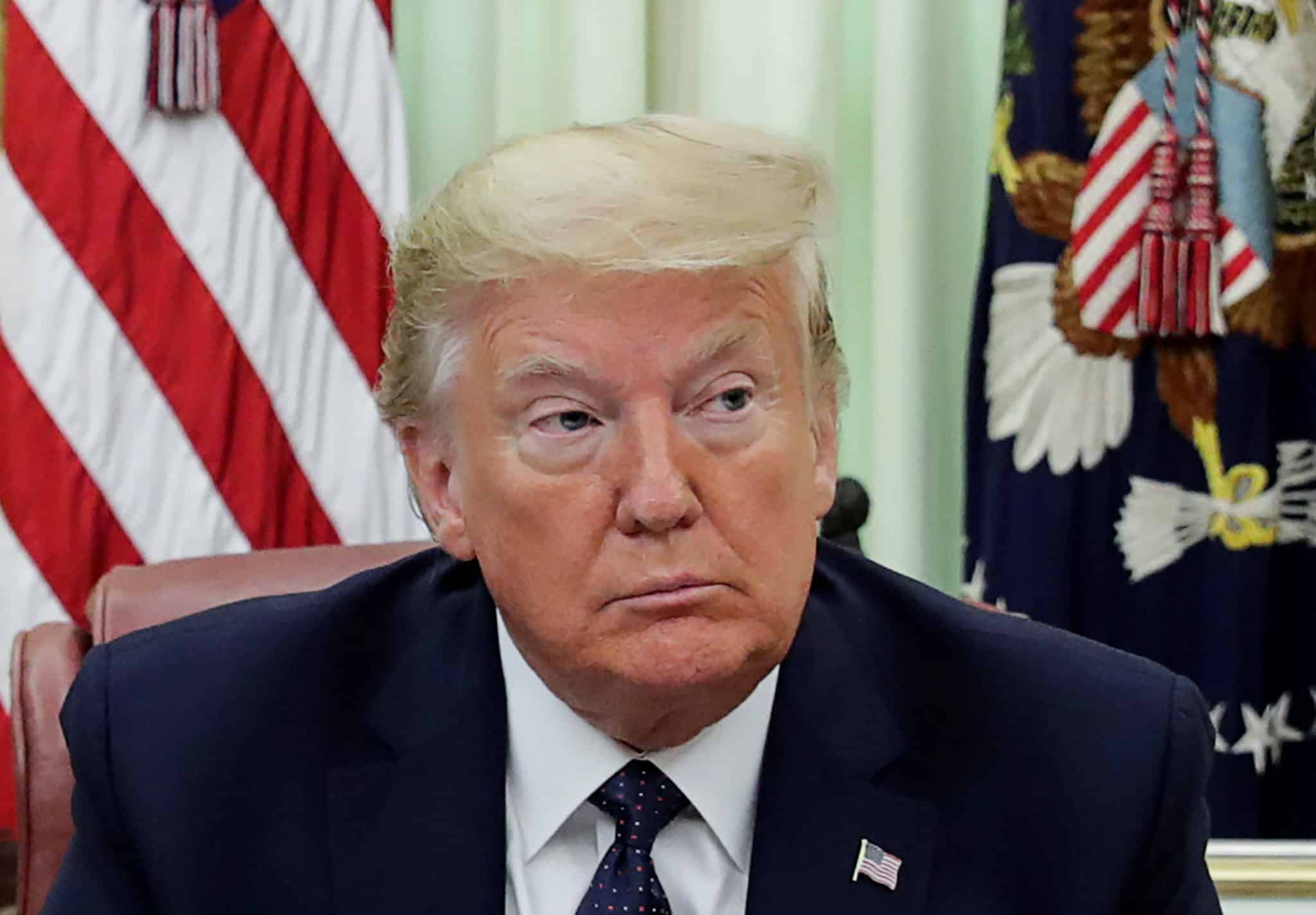
U.S. President Donald Trump on Friday tried to walk back a Twitter threat to respond with deadly force to three days of violent protests in Minneapolis over the police killing of an unarmed black man.
“Looting leads to shooting … I don’t want this to happen, and that’s what the expression put out last night means,” Trump said on Twitter, hours after the social network for the first time slapped a warning on one of his Tweets for “glorifying violence.”
Former Vice President Joe Biden, the presumptive Democratic presidential nominee, and some congressional Democrats denounced the initial threat, which warned “when the looting starts, the shooting starts.”
Trump signed an executive order on Thursday threatening new regulations on social media firms.
He relies heavily on Twitter to bring his message directly to his 80 million followers on the site, but also has repeatedly accused it and other social media sites of censuring conservatives.
Trump, a Republican who is running for re-election in November, has a history of inflaming racial tensions. He blamed “both sides” for violence between white supremacists and left-wing counter protesters in Charlottesville, Virginia, in 2017 and has called some immigrants crossing the U.S.-Mexico border rapists.
His early Friday tweet suggested that security forces would open fire on looters to curtail unrest over the death of George Floyd, a black man seen on video gasping for breath while a white police officer knelt on his neck. The officer, Derek Chauvin, was arrested and charged with third-degree murder and manslaughter.
Protests over Floyd’s death and other killings like it have spread to cities including Los Angeles and Denver, with a protest expected in New York on Friday.
Trump said in his tweet: “These THUGS are dishonoring the memory of George Floyd, and I won’t let that happen. Just spoke to Governor Tim Walz and told him that the Military is with him all the way. Any difficulty and we will assume control but, when the looting starts, the shooting starts. Thank you!”