



Trump Secures Beef Deal With China
Some folks in China may soon be developing a taste for American beef again thanks to the latest trade agreement negotiated during President Donald Trump’s recent trip to the Middle Kingdom. And no, this isn’t about…
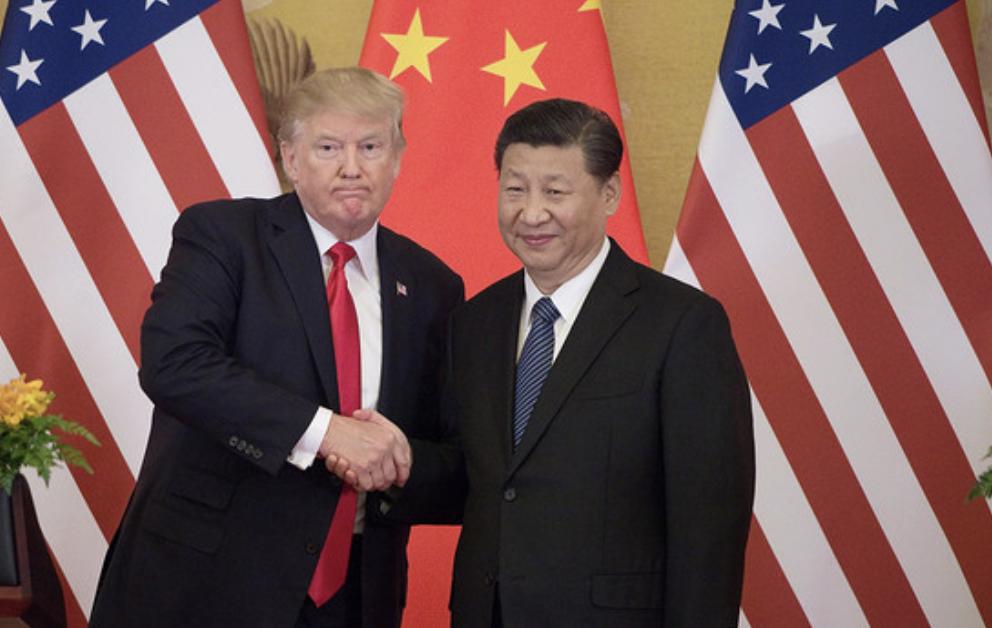
Some folks in China may soon be developing a taste for American beef again thanks to the latest trade agreement negotiated during President Donald Trump’s recent trip to the Middle Kingdom. And no, this isn’t about political “beef” — it’s the kind that ends up on dinner plates.
According to Agriculture Secretary Brooke Rollins, the Trump administration secured a deal that will reopen Chinese markets to major portions of the American beef industry after years of declining exports and bureaucratic slowdowns. Rollins celebrated the agreement in a post on X, calling it another major win for American ranchers.
“American beef — the best beef in the world! — will be back on the shelves in China soon,” Rollins wrote, adding that China is resuming imports from producers in 17 states.
The agreement matters because a massive portion of the U.S. beef export industry had effectively been frozen out of the Chinese market over the last year. More than 400 American beef processing plants lost export eligibility after permits originally issued between 2020 and 2021 expired without renewal. The issue wasn’t an outright ban from Beijing so much as a slow bureaucratic choke point that quietly devastated exports.
The impact was enormous. Roughly 65% of previously approved American beef facilities were affected, and exports to China cratered as a result. According to the U.S. Meat Export Federation, export volume fell 48% compared to 2024 levels, while the total dollar value dropped nearly 69%.
That’s a stunning reversal considering U.S. beef exports to China reached a peak of $1.7 billion in 2022 before collapsing to roughly $500 million last year.
Now, much of that business could return.
For American ranchers, that means a potentially major economic boost. Rollins noted that the restored exports could add up to $165 in value per head of cattle, particularly through the sale of variety cuts — products like tongues and hoofs that generally aren’t popular with American consumers but are valued in overseas markets.
That kind of export demand matters because the American cattle industry has been struggling with historically low herd numbers in recent years. Rising costs, drought conditions, land pressures, and market uncertainty all contributed to ranchers scaling back production.