



TV Icon Kelsey Grammer Is Exhausted
Kelsey Grammer believes Hollywood’s biggest obstacle may not be critics or audiences—it may be the industry’s own creative decisions. During an appearance on The Katie Miller Podcast, the longtime Frasier star discussed the trend of modern film studios revisiting classic stories while reshaping them to reflect contemporary perspectives, arguing that audiences ultimately decide whether those […]
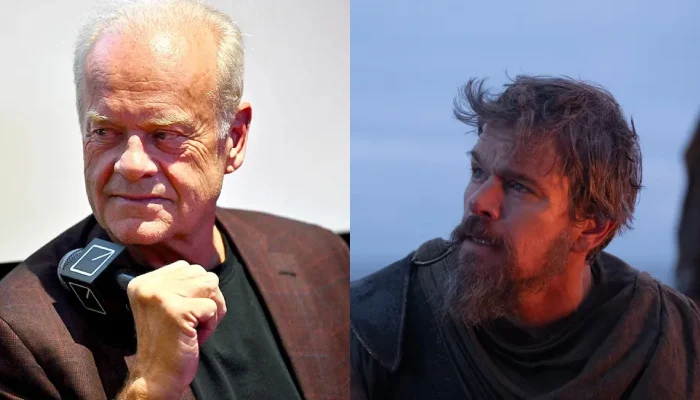
Kelsey Grammer believes Hollywood’s biggest obstacle may not be critics or audiences—it may be the industry’s own creative decisions.
During an appearance on The Katie Miller Podcast, the longtime Frasier star discussed the trend of modern film studios revisiting classic stories while reshaping them to reflect contemporary perspectives, arguing that audiences ultimately decide whether those creative choices succeed.
Podcast host Katie Miller, whose husband is White House Deputy Chief of Staff for Policy Stephen Miller, pointed to Christopher Nolan’s adaptation of The Odyssey as an example of a classic work that has generated debate.
“Hollywood seems determined to reinvent nearly every classic, like The Odyssey, and distort it just a little bit to fit their views,” Miller said before asking Grammer whether he had seen the film.
Grammer acknowledged that he had not.
“I haven’t seen The Odyssey, so I’m not really too aware of that,” he replied.
Even so, he said there are times when modern entertainment can become overly focused on delivering a message.
“There are times when it hits me over the head,” Grammer said, adding that it can become “a little exhausting.”
He also argued that historical settings should generally reflect the cultures they portray.
“I think old England is probably full of White people,” Grammer said, adding that he believes “historical significance should be respected a little bit, culturally.”
Miller then asked whether Hollywood would eventually move away from what many critics describe as politically driven storytelling.
“I think Hollywood will ever get back there?” she asked.