



US Closing Landmarks, Announces Vehicle Checks in Washington for Inauguration
The nation’s capital on Friday continued to boost security by shutting down access to iconic landmarks and erecting vehicle checkpoints at a security perimeter surrounding central Washington ahead of President-Elect Joe…
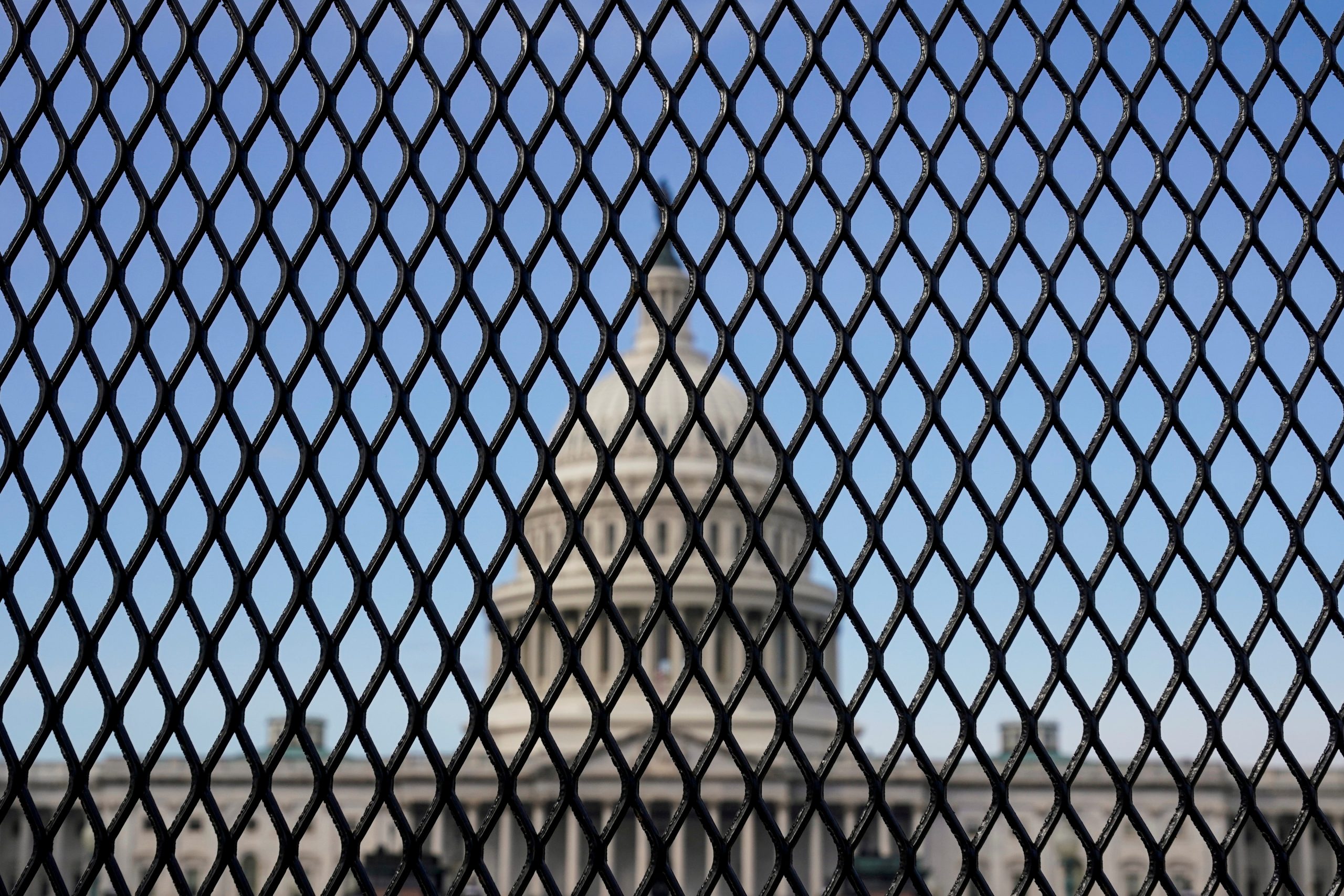
The nation’s capital on Friday continued to boost security by shutting down access to iconic landmarks and erecting vehicle checkpoints at a security perimeter surrounding central Washington ahead of President-Elect Joe Biden’s inauguration on Jan. 20.
Presidential inaugurations are always tightly secure events with operations led by the U.S. Secret Service, but this year’s measures have been amped up after Trump supporters stormed the Capitol on Jan. 6 in a bid to prevent the final certification of Biden’s victory. Law Enforcement officials have warned of threats and armed groups in all 50 states.
The National Park Service said Friday it was immediately closing the National Mall and iconic U.S. landmarks in Washington to visitors through at least Jan. 21.
The Mall includes landmarks like the Lincoln Memorial and Washington Monument. The area around the White House has also been closed, as has a key bridge over the Potomac River that connects Virginia to Washington, as well as East and West Potomac Parks, including Hains Point, which are near the Mall.
“We cannot allow a recurrence of the chaos and illegal activity that the United States and the world witnessed last week,” Matthew Miller, the head of the Secret Service’s Washington field office, told reporters.
Ken Cuccinelli, the acting deputy secretary of the U.S. Department of Homeland Security, told CNN that Biden’s team had decided to delay the inauguration rehearsal by one day due to “some of the online chatter talks about Sunday the 17th.”
Still, Biden’s chief of staff Ron Klain said in an interview with the Washington Post he was confident that Law Enforcement