



US Could Send $1,400 COVID Bill Payments Within Days, Child Tax Credit a Bigger Challenge
With plenty of practice sending coronavirus relief payments to Americans, the federal government should be able to launch the delivery of $1,400 checks almost immediately once Congress finalizes the new aid bill and…
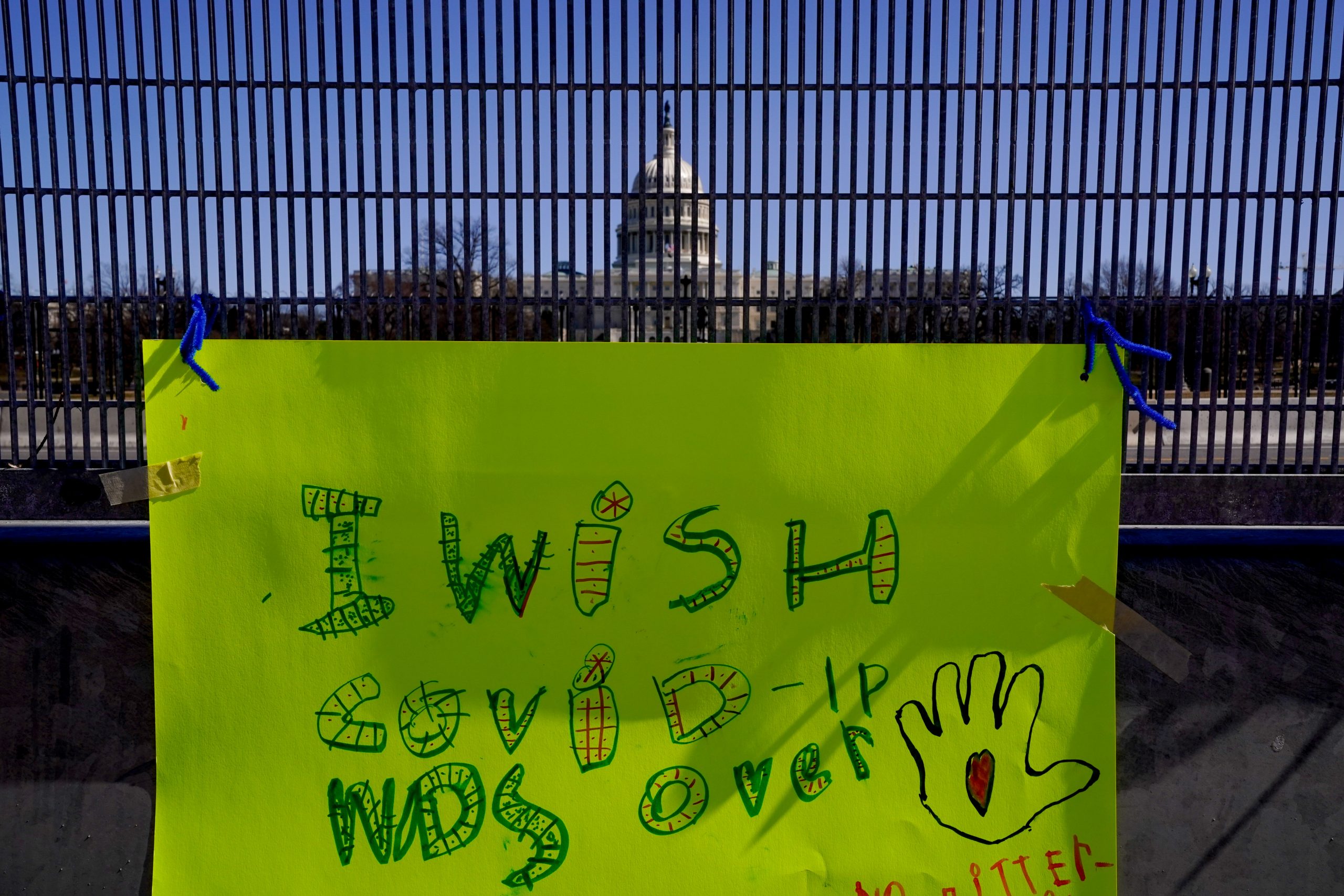
With plenty of practice sending coronavirus relief payments to Americans, the federal government should be able to launch the delivery of $1,400 checks almost immediately once Congress finalizes the new aid bill and President Joe Biden signs it, tax experts say.
Some Americans might see direct payments as soon as this week if the bill passes the House of Representatives on Tuesday as expected, compared with several weeks’ lag in April 2020. Nearly 160 million households are expected to get payments, the White House estimates.
The Treasury Department’s Internal Revenue Service will have new challenges on its hands, though, thanks to the $1.9 trillion relief bill. Incarcerated people, those with non-citizen spouses and relatives of those who died in 2020 will be eligible for payments.
The bill also includes an expanded Child Tax Credit of up to $3,000 per child, paid monthly starting in July, essentially forcing the revenue collector to act as benefits administrator for the rest of the year.
The IRS, which has more than 70,000 employees, handles over 190 million individual and corporate tax returns a year, but it has been hobbled by budget cuts and obsolete technology in recent years. The COVID-19 bill includes $1.46 billion for the agency, which is running into its busiest season, as the April 15 deadline for individual taxpayers approaches.
A U.S. Treasury spokeswoman said the Biden administration’s priority was to speed relief to Americans, adding: “Treasury stands ready to implement the direct payment check program as soon as the American Rescue Plan is passed.”
FINDING THE UNCONNECTED
Making one-off payments to those who regularly file tax returns should not be a struggle for the IRS, said Janet Holtzblatt, senior fellow with the Urban-Brookings Tax Policy Center.
“They have already ironed out many of the snafus that slowed the previous rollouts,” Holtzblatt said. “The IRS continues to surprise me in its ability to step up to these challenges.”