



Explainer: U.S. Payroll Protection Program: What Has Changed in Round Two?
The Small Business Administration (SBA) on Monday will release $310 billion in funds for the second round of its program that aims to help small businesses hurt by the novel coronavirus disruption to cover their payroll…
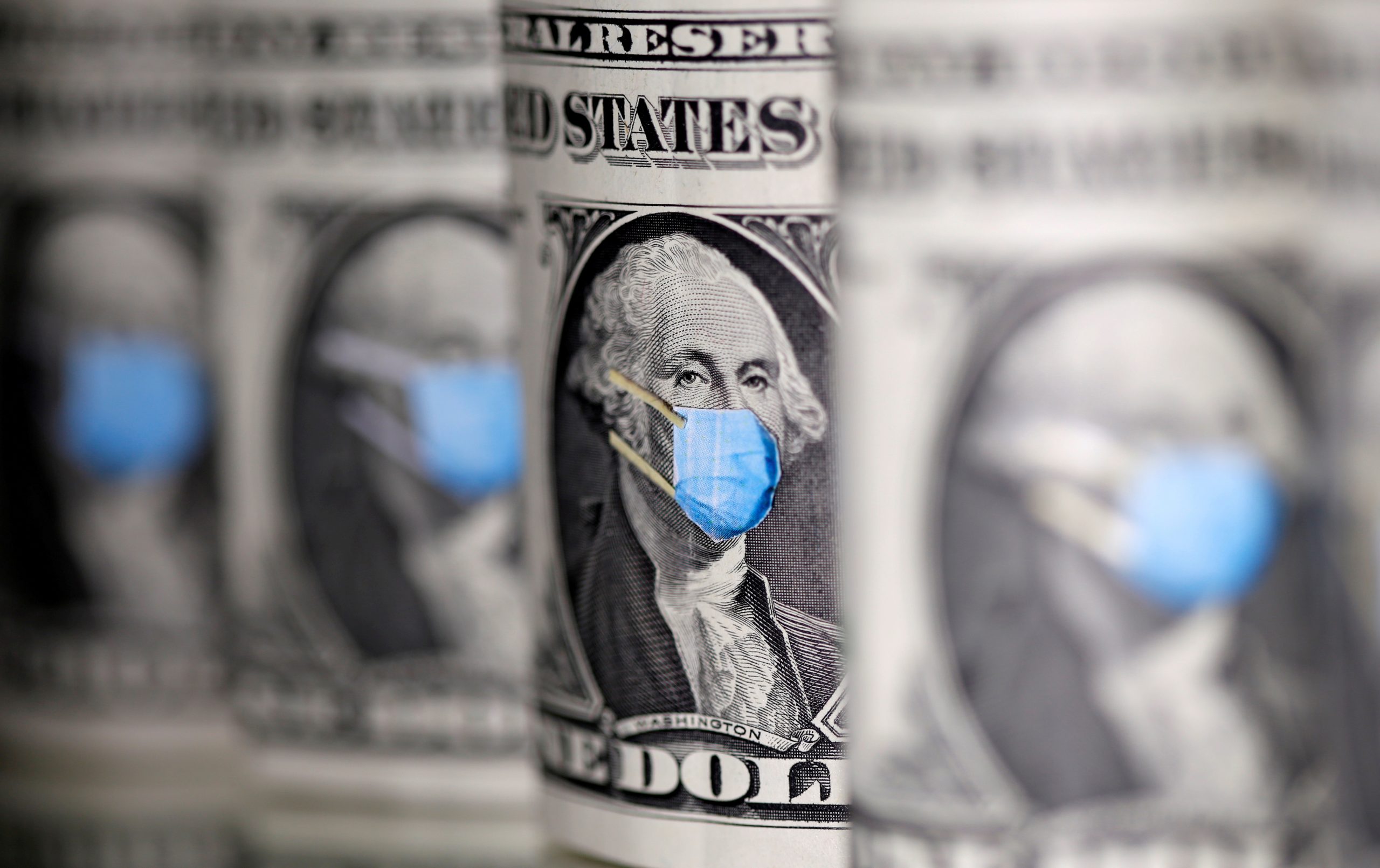
The Small Business Administration (SBA) on Monday will release $310 billion in funds for the second round of its program that aims to help small businesses hurt by the novel coronavirus disruption to cover their payroll costs.
After concerns that some of the first tranche of money bypassed small businesses in favor of Wall Street companies and big business, Congress, the SBA and the U.S. Treasury Department have made changes to program rules.
The second round will also include potentially hundreds of millions of dollars returned by big companies after the furor, on top of the $310 billion.
COMMUNITY BANKS, NON-PROFITS
In this round, Congress has ring-fenced $60 billion for Community Development Financial Institutions (CDFIs), Minority Depository Institutions (MDIs), community banks, credit unions, and certified development companies and microlenders whose small business customers are often minority-owned businesses.
That includes $30 billion for institutions under $10 billion in assets and $30 billion for those with between $10 billion and $50 billion in assets.
PAPERWORK, TECH PROBLEMS
In the first round, the SBA and the Treasury had to write the rules of the program on the fly, leading to confusion over its terms. In addition, thousands of lenders who were not signed-up with the SBA had to create new accounts, which took days. These bottlenecks slowed the program down initially.
While there are still some wrinkles with the rules and potential for the SBA’s system to struggle under the influx of applications, those teething problems have largely been addressed, lobbyists for the banking industry say.