



US Readies Bans on Cotton, Tomato Imports From China’s Xinjiang
U.S. Customs and Border Protection officials have prepared orders to block imports of cotton and tomato products from China’s western region of Xinjiang over accusations of forced labor, though a formal announcement has…
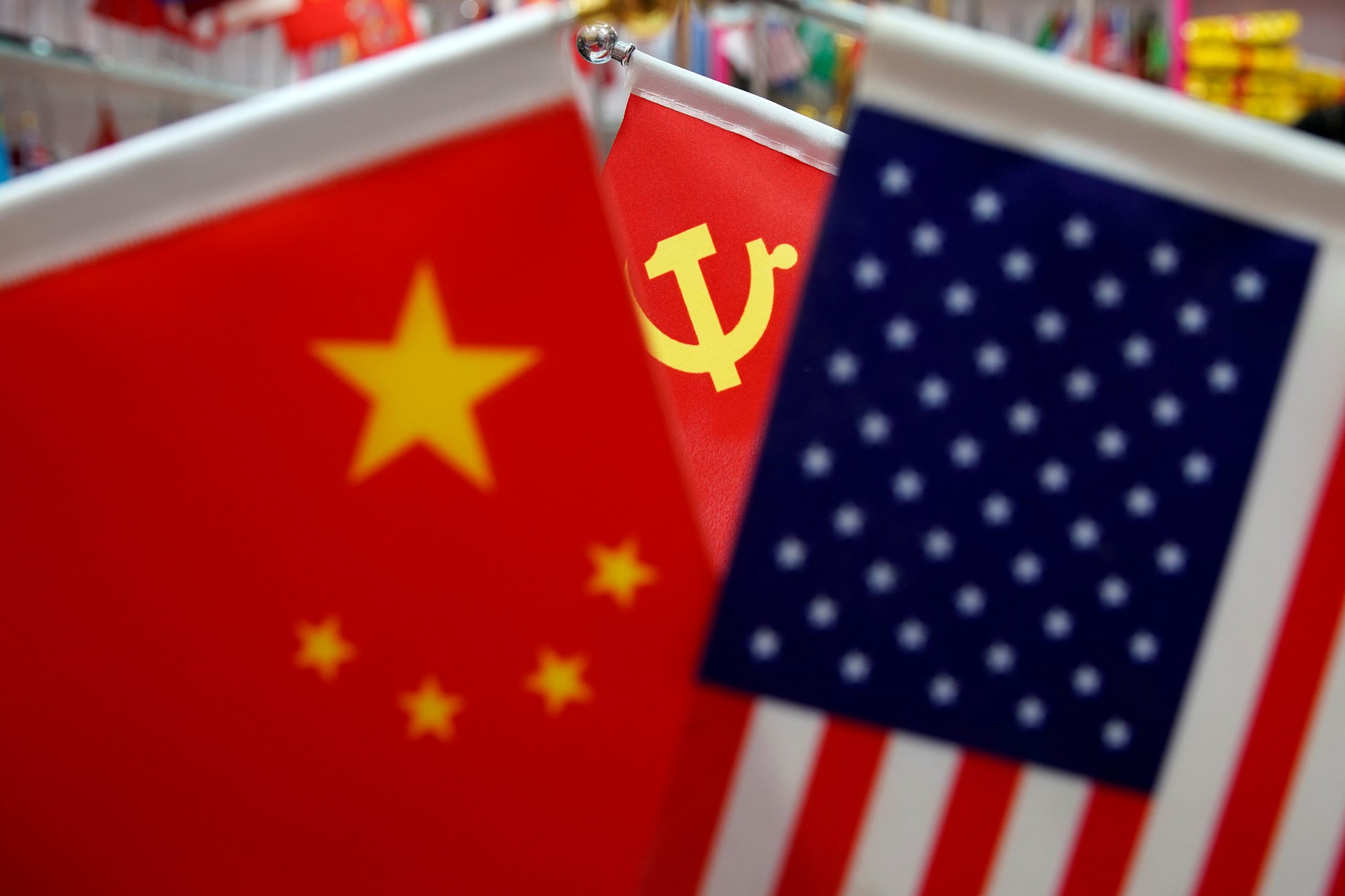
U.S. Customs and Border Protection officials have prepared orders to block imports of cotton and tomato products from China’s western region of Xinjiang over accusations of forced labor, though a formal announcement has been delayed.
A Trump administration announcement, initially expected on Tuesday, has been put off until later this week because of “scheduling issues,” an agency spokesman said.
The cotton and tomato bans, and those on five other imports, over alleged Xinjiang forced-labor abuses, would be an unprecedented move by the agency, likely to stoke tension between the world’s two largest economies.
The “Withhold Release Orders” let the agency detain shipments based on suspicion of forced-labor involvement under long-standing U.S. laws to combat human trafficking, child labor and other human rights abuses.
President Donald Trump’s administration is ratcheting up pressure on China over its treatment of Uighur Muslims in Xinjiang, where the United Nations cites credible reports as saying 1 million Muslims held in camps have been put to work.
China denies mistreatment of the Uighurs and says the camps are vocational training centers needed to fight extremism.
In Beijing on Wednesday, a foreign ministry spokesman dismissed the orders as a pretext to target Chinese firms.
“I think the U.S. cares nothing about human rights,” Zhao Lijian said in response to a query.
“It is only using this as a pretext to oppress Chinese companies, destabilize Xinjiang and slander China’s Xinjiang policy,” he told a daily news briefing.
China will take all necessary measures to safeguard its companies’ legitimate rights and interests, he added.
CBP official Brenda Smith told Reuters the effective import bans would cover the entire supply chains for cotton, from yarn to textiles and apparel, as well as tomatoes, tomato paste and other regional exports.
“We have reasonable, but not conclusive, evidence that there is a risk of forced labor in supply chains related to cotton textiles and tomatoes coming out of Xinjiang,” Smith, an executive assistant commissioner, said in an interview.