



US Weekly Jobless Claims Seen Declining Further, but Millions Still Unemployed
Layoffs in the United States are abating, but millions who lost their jobs because of COVID-19 continue to draw unemployment benefits, suggesting the labor market could take years to heal from the pandemic even as…
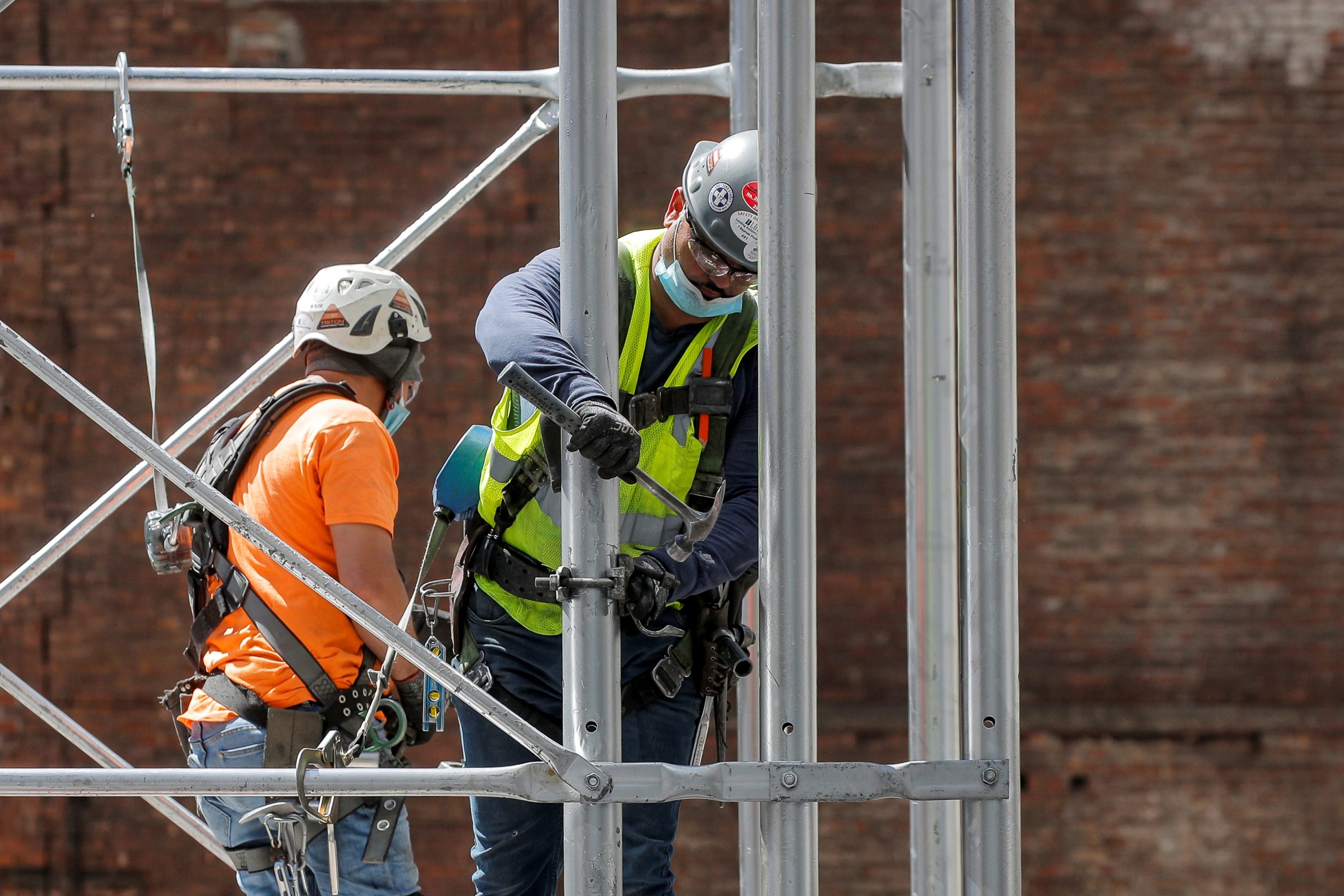
Layoffs in the United States are abating, but millions who lost their jobs because of COVID-19 continue to draw unemployment benefits, suggesting the labor market could take years to heal from the pandemic even as businesses resume hiring workers.
The weekly jobless claims report from the Labor Department on Thursday, the most timely data on the Economy’s health, will follow news last Friday of a surprise 2.5 million increase in nonfarm payrolls in May. It could reinforce views that the labor market has weathered the worst of the turbulence.
The Federal Reserve signaled on Wednesday it would provide years of extraordinary support for the Economy, with policymakers projecting a 9.3% unemployment rate at year end. The unemployment rate has jumped from 3.5% in February and was at 13.3% in May.
“The steady retreat in claims is a positive development, but the labor market has suffered a traumatic blow and a full recovery will be measured in years, not weeks or months,” said
Nancy Vanden Houten, lead U.S. economist at Oxford Economics in New York. “The figures don’t capture the full extent of the blow dealt to workers during this unique crisis.”
New applications for state unemployment benefits likely totaled a seasonally adjusted 1.55 million for the week ended June 6, down from 1.877 million the prior week, according to a Reuters survey of economists. That would pull initial claims further away from a record 6.867 million in late March.
But claims for jobless benefits would still be more than double their peak during the 2007-09 Great Recession.
Many businesses have reopened after being shuttered in mid-March to slow the spread of COVID-19. However, claims remain elevated amid jobs cuts outside the consumer sector, among industries that were not initially hit by the shutdown.