



Venezuelans In Florida Tell Reporters They May Return Following Maduro’s Capture
If there was ever a case study in how actual leadership differs from press release diplomacy, the takedown of Nicolás Maduro is it — and it’s hitting especially hard for the millions of Venezuelans who fled the chaos…
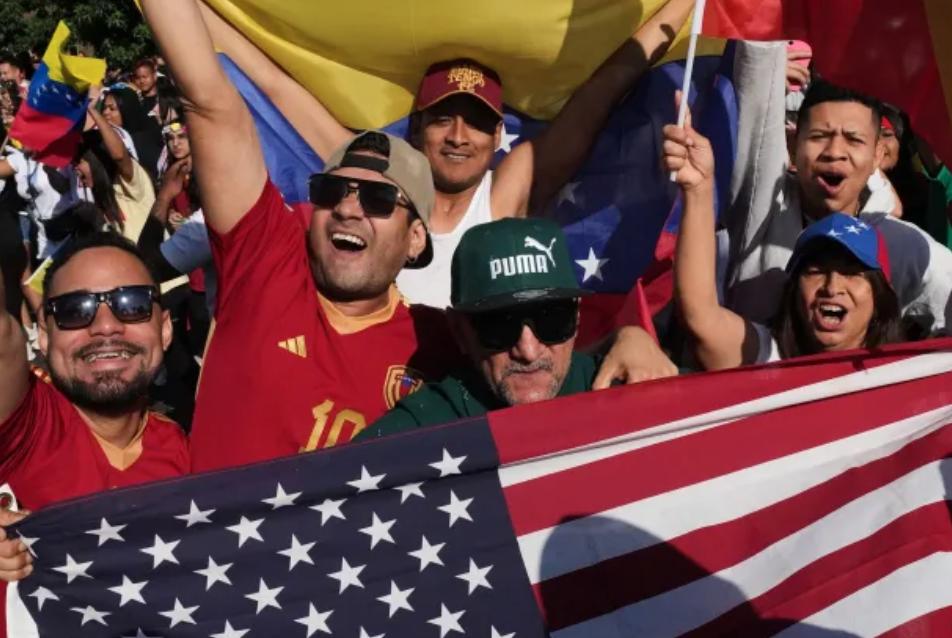
If there was ever a case study in how actual leadership differs from press release diplomacy, the takedown of Nicolás Maduro is it — and it’s hitting especially hard for the millions of Venezuelans who fled the chaos, only to watch America finally do something real about it.
And by “do something,” we’re not talking about symbolic speeches or State Department hashtags. We’re talking about a fully executed military operation that pulled Maduro — alleged narco-terrorist, election manipulator, cartel collaborator — out of Caracas in the middle of the night and dropped him in federal custody. Gray sweatsuit, eye mask, headphones. A dictator reduced to perp-walk chic.
The moment was emotional, and rightfully so. For Venezuelan-Americans like Lucy Mimo, who fled Caracas seven years ago with her daughter and has since become a U.S. citizen, it was more than a headline — it was vindication. “It’s time to fight for our country and move it forward,” she said, already thinking about the logistics of returning to rebuild the homeland she left behind.
In Doral, Florida — now practically a Venezuelan capital in exile — restaurants turned into block parties. People sang, danced, wept, and waved flags like their country had just been handed back. Because in a way, it had. Not by the U.N., not by the OAS, and definitely not by the Biden administration’s toothless $25 million bounty, but by President Donald Trump and the kind of muscular foreign policy that makes socialists nervous and exiles hopeful.
Of course, that same foreign policy has its critics. You can almost hear the media hyperventilating over Trump’s statement that the U.S. would “run” Venezuela until a proper transition happens. But let’s be honest — is that worse than letting the same cartel-backed dictatorship run it into the ground for another decade? Trump says the quiet part out loud. It might not be polite, but it works.
Meanwhile, Venezuelans like Rosario García — a former lawyer who fled for fear of political persecution — were celebrating with tears and music at El Arepazo, a Doral mainstay turned freedom festival. She’s already started a new life in the U.S., even earning her green card. Still, she hopes to return one day and rebuild Venezuela’s broken legal system — maybe even teach a new generation of cops how to protect citizens instead of terrorizing them. Imagine that: justice with teeth, not strings.