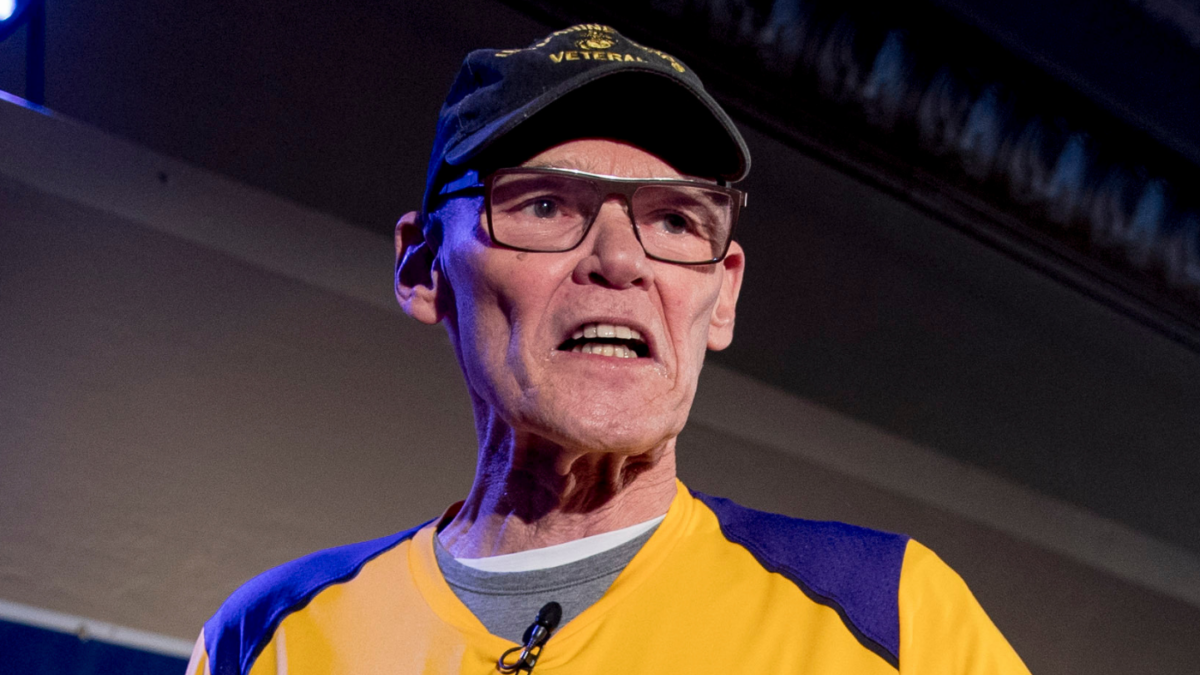
The Call for a Schism Veteran Democratic strategist James Carville is sounding the alarm over the party’s direction. According to the New York Post, Carville recently discussed the primary victories of far-left candidates backed by New York City Mayor Zohran Mamdani. Carville criticized one such candidate, Darializa Avila Chevalier, for her controversial views. “She has […]
Veteran Democratic strategist James Carville is sounding the alarm over the party’s direction. According to the New York Post, Carville recently discussed the primary victories of far-left candidates backed by New York City Mayor Zohran Mamdani. Carville criticized one such candidate, Darializa Avila Chevalier, for her controversial views.
“She has attacked interracial relationships and the American flag. Lady, I ain’t in the same party as you. I’m sorry. I’m just not, and I actually do think it’s time for Democrats to talk ‘the S-word.’ ‘Schism.’ I really do,” Carville said, per the New York Post.
Carville’s comments come amid growing concerns that these far-left candidates could undermine the party’s chances in the upcoming November election. Al Hunt, a political analyst, noted, “They may ‘complicate the politically existential question of winning in November.’” This sentiment reflects a broader worry among moderate Democrats about the party’s ability to appeal to a wider electorate.
The Controversial Views
The primary victories of these far-left candidates have raised eyebrows. Avila Chevalier, in particular, has been accused of making inflammatory remarks. According to the Washington Examiner, she has refused to confirm if she believes Israel should exist as a country and opposes deportations. These positions have sparked intense debate within the party.
New York City Mayor Zohran Mamdani, a prominent figure in the city’s progressive movement, backed the three socialist candidates who won primaries. However, Alexandria Ocasio-Cortez, despite her ties to Mamdani, did not endorse these far-left candidates. This split highlights the internal tensions within the Democratic Party.
Sponsored
Sponsored
Veteran Strategist Has Choice Words For Dems — IJR
Carville’s frustration is palpable. “Let’s negotiate a terms of a schism here. Maybe we can part under some kind of advantageous terms for both of us, but I’m done. And I’m not in that f—ing political party,” he stated, per the
New York Post
.
The Impact on Everyday Americans
The debate over the Democratic Party’s future is more than just political theater. It has real implications for everyday Americans. The primary victories of far-left candidates could shift the party’s platform further to the left, potentially alienating moderate voters. This could affect everything from economic policies to social issues.
For instance, the push for open borders and the questioning of Israel’s existence are topics that many Americans, especially those in the middle, find concerning. These policies could impact national security, economic stability, and the social fabric of communities. Moderate Democrats fear that such extreme positions could make it harder to win key swing states in the November election.
Moreover, the internal divisions within the party could lead to a lack of coherent messaging and policy direction. This could weaken the party’s ability to effectively challenge Republican candidates, who might capitalize on these divisions to gain support.
In a broader sense, the call for a schism reflects a deeper reports. While some see it as a necessary step to maintain the party’s integrity and appeal, others view it as a dangerous move that could further polarize an already divided nation.
Historical Context
The Democratic Party has long prided itself on being a “big tent” that accommodates a wide range of views. However, the current situation challenges this notion. Carville’s call for a schism is reminiscent of past splits within the party, such as the Dixiecrat movement in the 1940s and 1950s, where Southern Democrats broke away over civil rights issues.
Today, the far-left wing of the party is gaining momentum, driven by younger voters and activists who demand more radical change. This shift has put pressure on moderate Democrats, who are concerned about losing the center ground. The tension between these factions is not new, but the recent primary victories have brought it to a boiling point.
Carville’s suggestion to negotiate a schism is a dramatic step, but it reflects his belief that the party cannot afford to be associated with views that he deems incompatible with mainstream American values. This could mean a redefinition of what it means to be a Democrat, potentially leading to the formation of a new political entity.
The Way Forward
The Democratic Party now faces a critical decision. Will it embrace the far-left candidates and risk alienating moderates, or will it seek to distance itself from these views to maintain a broad coalition? The answer could determine the party’s success in the upcoming elections and its long-term viability.
For American families, the outcome of this debate is crucial. Policies on immigration, foreign relations, and economic issues will directly impact their lives. The Democratic Party’s ability to navigate these internal conflicts will be a key factor in shaping the political landscape for years to come.
As Carville puts it, “Maybe we can part under some kind of advantageous terms for both of us, but I’m done.” This sentiment underscores the deep divisions within the party and the urgent need for a clear path forward.
Key Takeaways
James Carville calls for a formal schism in the Democratic Party due to far-left candidates’ controversial views.
These candidates could complicate the party’s chances in the November election and alienate moderate voters.
The debate reflects a deeper reports, with potential impacts on American families and the political landscape.
Frequently Asked Questions
Why is James Carville calling for a schism in the Democratic Party?
James Carville is concerned that far-left candidates, with views he finds extreme, could harm the party’s chances in the November election and alienate moderate voters.
What are some of the controversial views of the far-left candidates?
Darializa Avila Chevalier has been accused of attacking interracial relationships and the American flag, and she has refused to confirm if she believes Israel should exist as a country.
How might a schism in the Democratic Party affect everyday Americans?
A schism could lead to more radical policies, potentially impacting national security, economic stability, and social issues, and could make it harder for the party to win key swing states.