



VIJAY JAYARAJ: Asia’s Pivot Toward Nuclear Energy
When uranium centrifuges are being bombed and the specter of nuclear war hovers in the background, it is easy to forget the significant role nuclear power plays in meeting energy needs. Yet, many view nuclear as the…
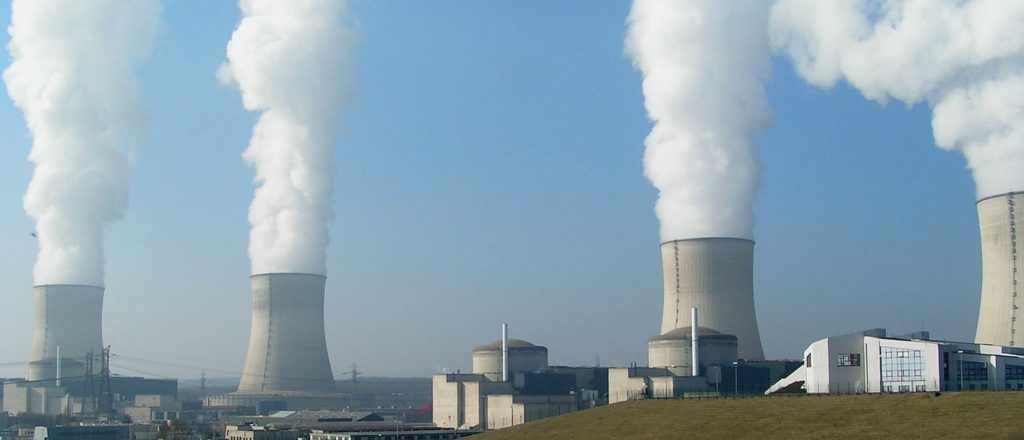

When uranium centrifuges are being bombed and the specter of nuclear war hovers in the background, it is easy to forget the significant role nuclear power plays in meeting energy needs.
Yet, many view nuclear as the dominant energy source of the future. Pound-for-pound, nuclear fission can produce many thousands of times the electricity of fossil fuels, which are the next best source of baseload power. Nuclear reactors operate continually irrespective of weather conditions or time of day and do not require billion-dollar battery backups or rare earth minerals mined in politically unstable regions as do solar panels and wind turbines.
It was Italian American physicist Enrico Fermi who created in the winter of 1942 the first reactor – named Chicago Pile-1 – underneath the stands of the University of Chicago football field. Since then, the world has come a long way.
Gone are the days when nations suppressed nuclear ambitions because of irrational fears arising from the 2011 Fukushima disaster, whose main source of injury was the tsunami that triggered the plant’s failures. A quiet but decisive pro-nuclear pivot is underway among some of the world’s most populous and energy-hungry nations in Asia.
Be it the growing popularity of South Korea’s super-efficient and longer-lifespan APR1400 reactors at Shin Kori and Shin Hanul or the steady revival of nuclear plants in Japan, the pivot in Asia is unmistakable.
China, the region’s newest pacesetter, has 58 operational reactors and 28 under construction and anticipates increasing nuclear generating capacity by more than 80% by 2035.
Now, more countries are seeking to develop nuclear power, thanks to increased cooperation and the promise of innovative small modular reactors (SMR). Unlike large reactors that require enormous capital, land and time, SMRs are quicker to deploy and suitable for remote regions and industrial clusters, which can be expanded incrementally with the addition of small units.
The Indian state of Maharashtra has signed a memorandum of understanding with Russia’s Rosatom to jointly develop a thorium-based SMR. Rosatom is also developing India’s largest nuclear energy facility, the Kudankulam nuclear power plant in the southern state of Tamil Nadu, whose electricity has served some of my relatives living in that region.