



When OPEC Quotas Don’t Matter Anymore
Lost in much of the discussion about the current global deficit of crude oil is a new reality that had been brewing for some time even before the Iran Conflict began on March 1: The fact that OPEC — and its bigger sister, OPEC+ — has lost its teeth.
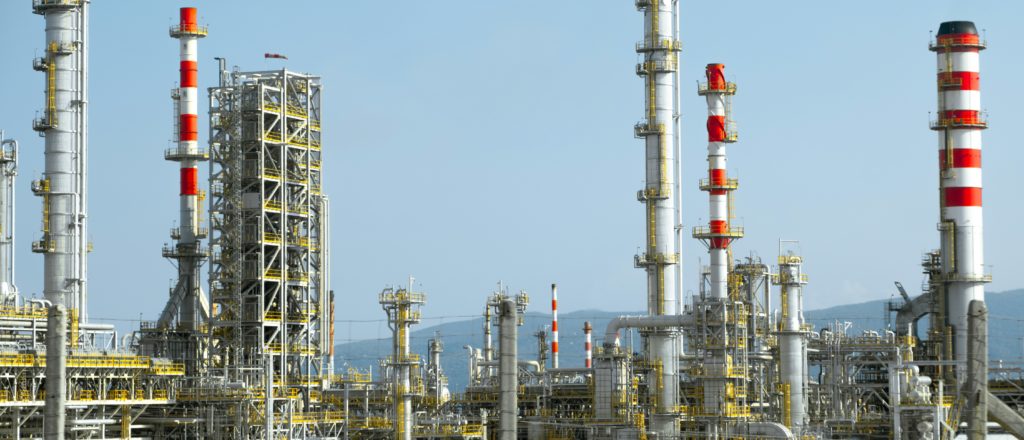

Lost in much of the discussion about the current global deficit of crude oil is a new reality that had been brewing for some time even before the Iran Conflict began on March 1: The fact that OPEC — and its bigger sister, OPEC+ — has lost its teeth.
Worse for its member nations, the most famous — and sometimes infamous — cartel of the 20th century has no obvious way to recover its bite.
Signals from key members have led to reports that OPEC+ plans to fully unwind what remains of the voluntary production quota cuts the group implemented during the post-COVID crisis years. Those reductions of several million barrels per day were intended to avoid a full collapse of global crude prices like the one seen in April 2020, when the West Texas Intermediate index price briefly traded in negative numbers as the global economy largely shut down.
OPEC+ saw the problem: There was too much oil production chasing too little demand and the cartel responded with agreed-to cuts by all members. When those reductions proved inadequate, eight of its bigger members beefed the program up with further voluntary cuts of their own.
The strategy was effective to some extent but lost its impact over time amid rising production levels from the United States, Guyana and other non-OPEC+ nations.
Throughout 2025 and the early weeks of 2026, it was obvious that the cartel really had little control over global crude prices, as the WTI index dropped to as low as $55/barrel in mid-January 2026. Again, OPEC+ members faced the reality that there was too much oil chasing too little demand on the market, and this time they had no effective way to address the matter.
Then came the war between the U.S. and Iran, and the equation radically reversed. OPEC+ has responded by gradually unwinding its millions of barrels in cuts, and now will apparently abandon what little is left at its Aug. 2 meeting, mainly because it has no other tool at its disposal. The problem there is that its Persian Gulf members — some of which, like Saudi Arabia, Kuwait, Iraq, Oman and the United Arab Emirates — remain under attack from Iran’s Revolutionary Guard and held hostage at various levels to the closure at the