



Exclusive: White House Pushing for 80% Clean US Power Grid by 2030
The White House hopes to capitalize on growing support from U.S. utilities, unions and green groups for a national clean energy mandate by pushing Congress to pass a law requiring the U.S. grid to get 80% of its power…
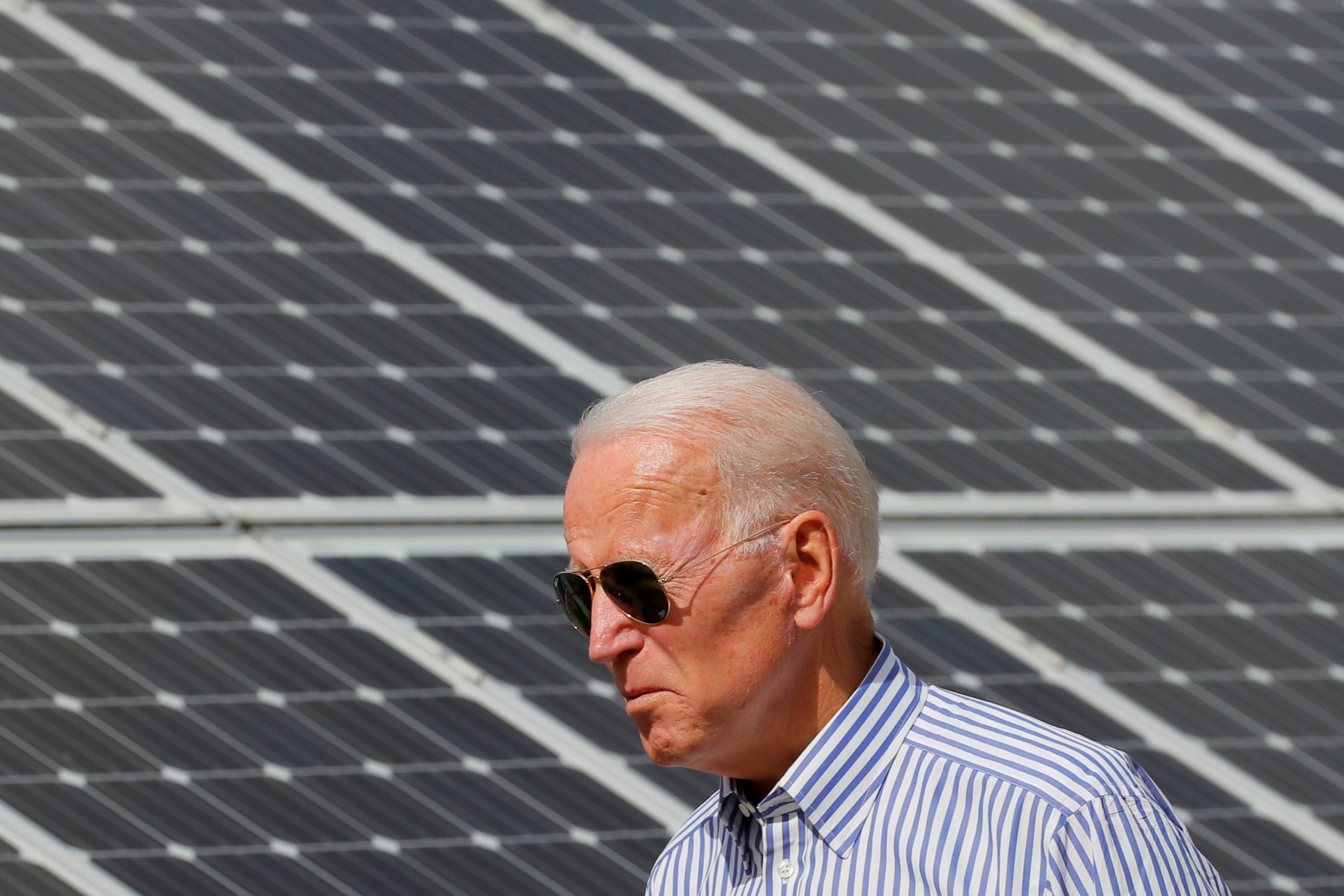
The White House hopes to capitalize on growing support from U.S. utilities, unions and green groups for a national clean energy mandate by pushing Congress to pass a law requiring the U.S. grid to get 80% of its power from emissions-free sources by 2030, according to a senior administration official.
The goal would fall short of President Joe Biden’s stated ambition of net zero carbon emissions in the grid by 2035, but is an interim milestone that could be passed without Republican support through a process called budget reconciliation.
“Our goal is to enact this into law,” deputy White House climate adviser Ali Zaidi told Reuters. “There are multiple pathways to get meaningful progress in the power sector. We think this is a really powerful one in terms of giving utilities a clear and clean planning horizon.”
Requiring utilities to move away from coal and natural gas is a cornerstone of U.S. President Joe Biden’s plan to slash greenhouse gas emissions in half across the U.S. economy in the next decade.
The country’s grid is currently 40% clean, but getting to 80% by 2030 could be achieved with existing technologies at no additional cost to ratepayers in every region because the cost of renewables and batteries have come down so much, according to a new analysis by researchers at Energy Innovation and the University of California, Berkeley.
A so-called clean energy standard would require reductions in emissions by adopting renewables like wind and solar, using nuclear energy or finding ways to suck up and sequester greenhouse gas emissions from fossil fuel plants.
The policy has support from members of both parties in Congress, though Republicans have not embraced the administration’s aggressive timeline due to concerns that it will drive up costs and kill jobs in fossil fuel industries.