



With Creation of First Synthetic Embryo, Scientists Are at the Point of No Return
The frightening future implications of new report from researchers at the Weizmann Institute of Science in Israel caused a stir among observers of the international science community. Using neither sperm nor egg…
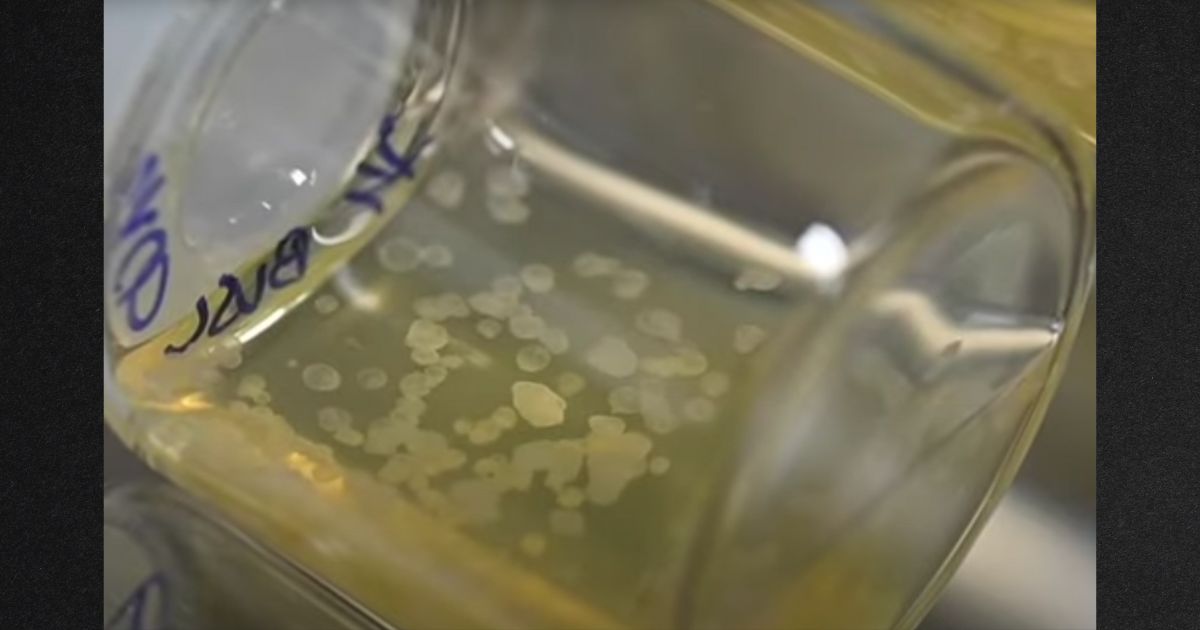
The frightening future implications of new report from researchers at the Weizmann Institute of Science in Israel caused a stir among observers of the international Science community.
Using neither sperm nor egg, researchers created the world’s first synthetic mouse embryo and watched it grow for over eight days inside of a specially designed bioreactor that served as a womb, according to Live Science Magazine.
The article describes what occurs inside the artificial womb. “Within the device, embryos float in small beakers of nutrient-filled solution, and the beakers are all locked into a spinning cylinder that keeps them in constant motion. This movement simulates how blood and nutrients flow to the placenta. The device also replicates the atmospheric pressure of a mouse uterus.”
A statement from Weizmann Institute explains that researchers started only with “stem cells cultured in a petri dish.” By the eighth day, “all their early organ progenitors had formed, including a beating heart, an emerging blood circulation, a brain, a neural tube and an intestinal tract.”
Comparing the synthetic embryos to natural embryos, researchers noted their lab-created “models displayed a 95 percent similarity in both the shape of internal structures and the gene expression patterns of different cell types.”