



The online event, held April 2, was a joint effort between the Chicago Teachers’ Union, the National Education Association, and the Zinn Education Project. Framed as a “curriculum build,” the session focused on helping educators bring social justice themes into their classrooms ahead of May Day on May 1, a date historically associated with labor movements and political demonstrations.
During the webinar, some presenters spoke openly about using the classroom to connect students with activism. Dave Stieber, a history teacher in Chicago Public Schools, described May Day as part of a broader push for collective action, suggesting it could serve as a model for future demonstrations tied to political developments.
Other speakers encouraged teachers not to shy away from introducing these topics to younger students. Kirstin Roberts, a preschool teacher, said educators should feel comfortable discussing issues like workers’ rights, immigration, and LGBTQ topics even with children as young as three, framing it as a way to build awareness early on.
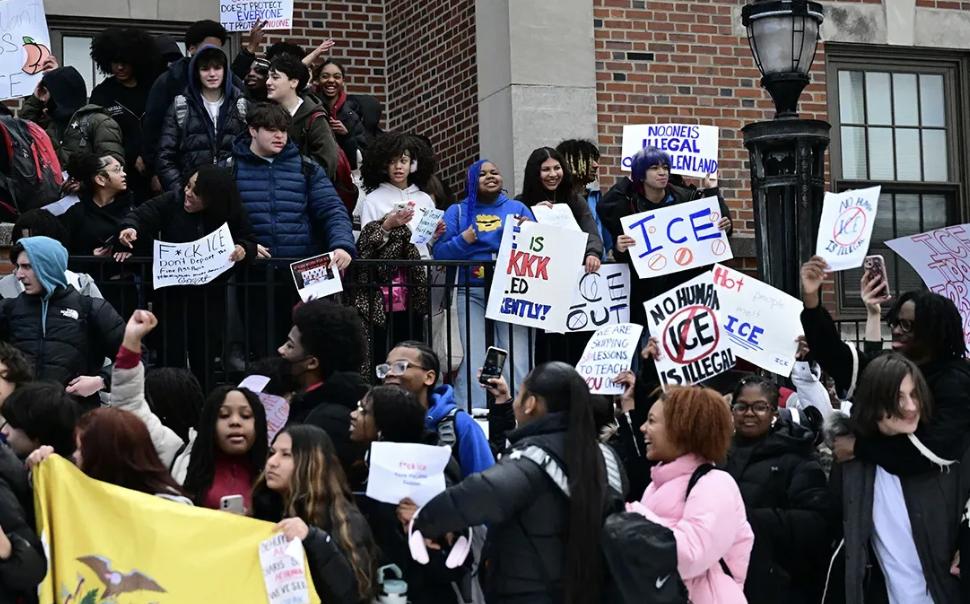
The session also included guidance on how to present protests in a more approachable way for students. One lesson plan suggested showing images that highlight what organizers described as the “humanity” of demonstrations, with the goal of making public protests seem less intimidating.
That approach has sparked pushback. The North American Values Institute, which published footage of the webinar, argues that the material reflects an effort to steer students toward specific political viewpoints. Its researchers say the classroom should not be used to encourage participation in demonstrations or to promote particular ideological causes.
Critics outside the organization echoed those concerns. Some education advocates and commentators say the webinar reflects a broader trend of political messaging entering public education, raising questions about where the boundary should be between civic education and advocacy.
At the same time, supporters of the unions’ approach argue that teaching students about civic engagement is a core part of education. The Chicago Teachers’ Union has defended its position, including its call for a “No School, No Work, No Shopping” action on May 1. Union leaders say understanding protest and civic participation helps students make sense of current events and their role in a democratic society.
The debate comes amid ongoing scrutiny of teachers’ unions and their involvement in political issues. Recent reports have highlighted union spending on advocacy and organizing, along with public demonstrations by educators on topics ranging from immigration enforcement to education policy.
Requests for comment were sent to the National Education Association, Chicago Public Schools, and the Zinn Education Project, though responses were not included in the original report.
As the conversation continues, the controversy underscores a familiar tension in education: how to teach students about the world around them without veering into efforts that critics see as shaping their political views.


