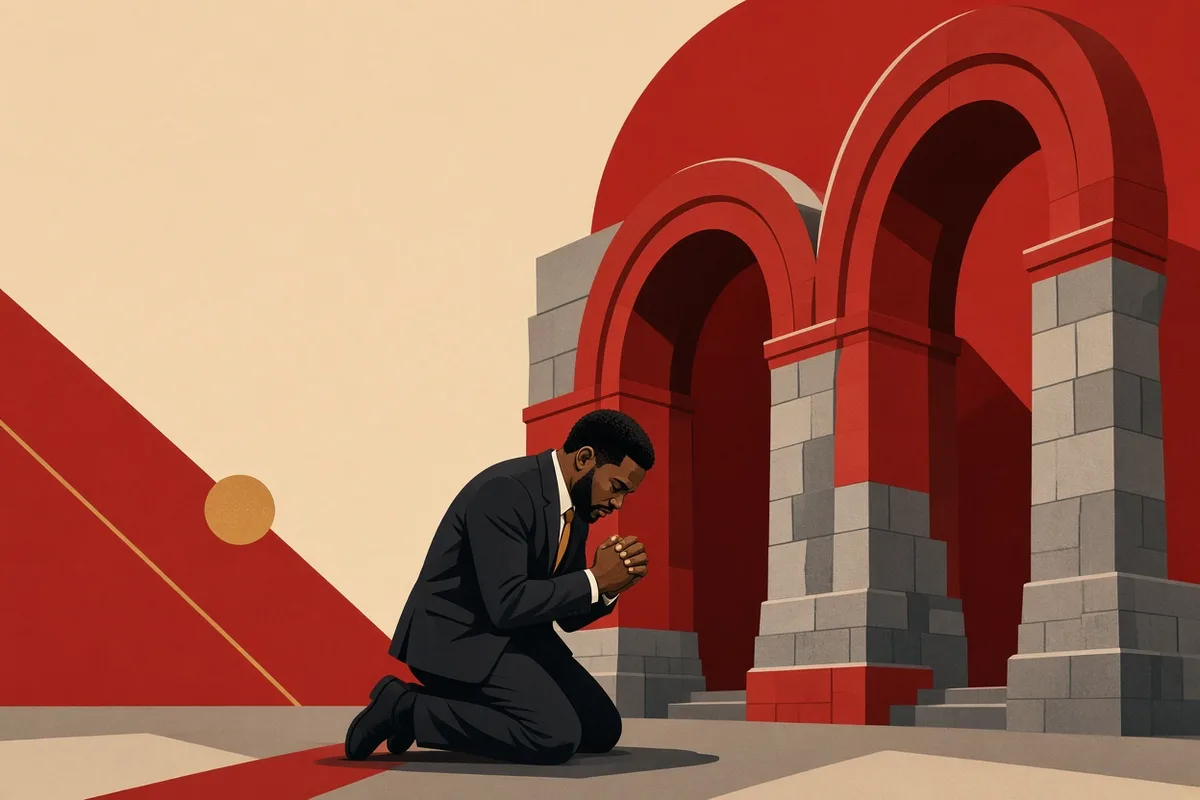



17 Chilean Miners Rescued After 69 Days
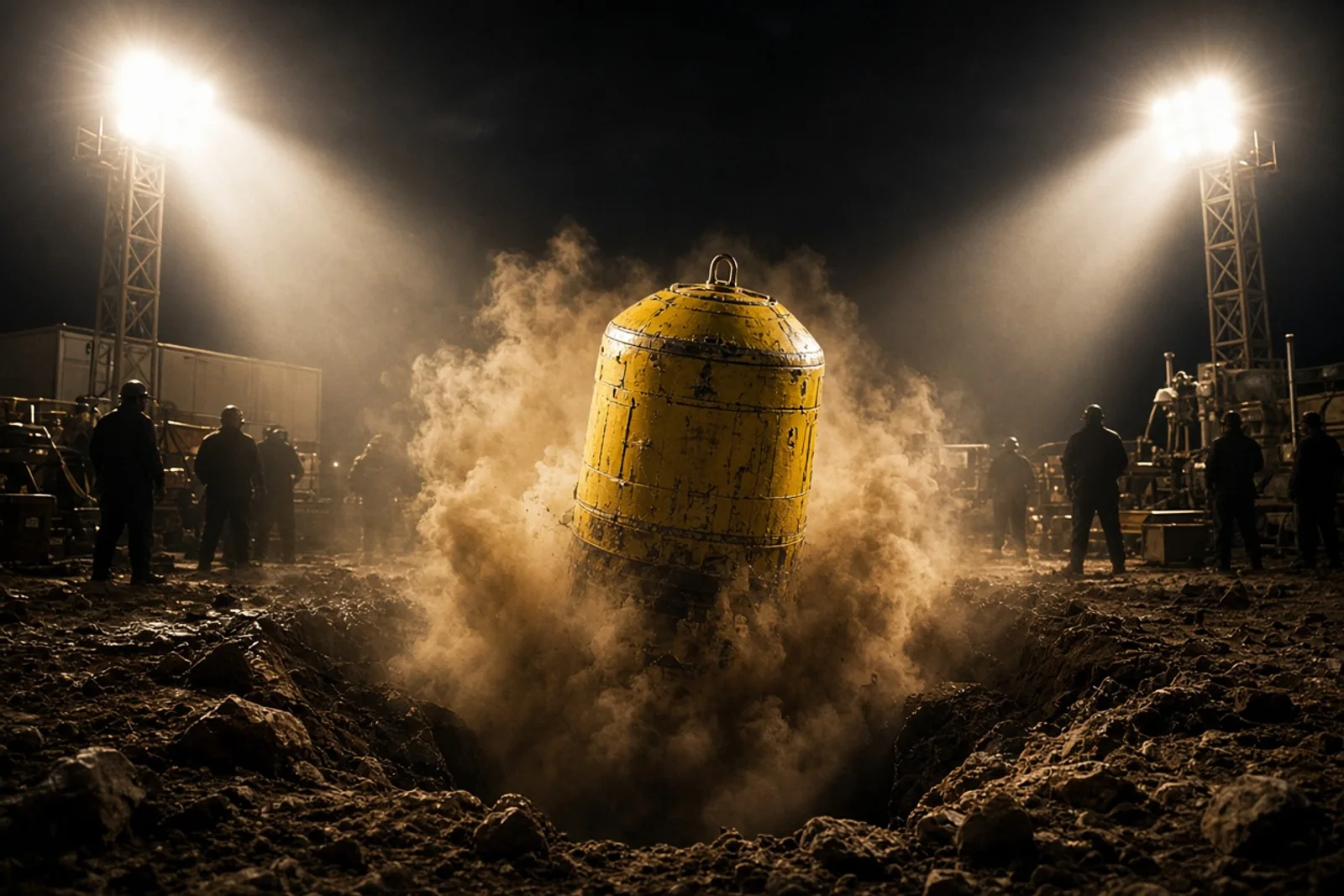
The capsule shuddered against the sides of the shaft as the winch slowed. I stood at the rim with two navy technicians, one hand on the guide cable, the other shielding my eyes from the glare of the arc lamps. The desert air had turned cold again after the day’s heat, and the metal under my boots vibrated with every turn of the drum.
A siren began its long wail. The top of the capsule rose into view, streaked with dust and grease. Inside, a miner sat strapped upright, knees nearly touching his chest. He blinked hard at the lights. When the hatch opened, hands reached in and pulled him clear. He stood on his own, then dropped to one knee and crossed himself. Someone wrapped a Chilean flag around his shoulders. The crowd beyond the barriers roared.

That was the first. We had twenty-two more hours ahead.
I had been at the site since the drilling crews broke through the rock three weeks earlier. My job was simple enough on paper: keep the area clear, help move equipment, watch the monitors when the capsule descended. After the first ascent I stayed at the head because no one told me to leave. The families had set up their own camp on the slope above us, thirty-three flags on poles that snapped in the wind. At night the flags glowed under portable lights.

The second man came up an hour later. Mario Sepúlveda stepped out grinning, waving a small Chilean banner he had carried down with him. He shook every hand he could reach before the medics steered him toward the waiting ambulance. His voice carried over the radio chatter: he wanted to show the country they were still standing.
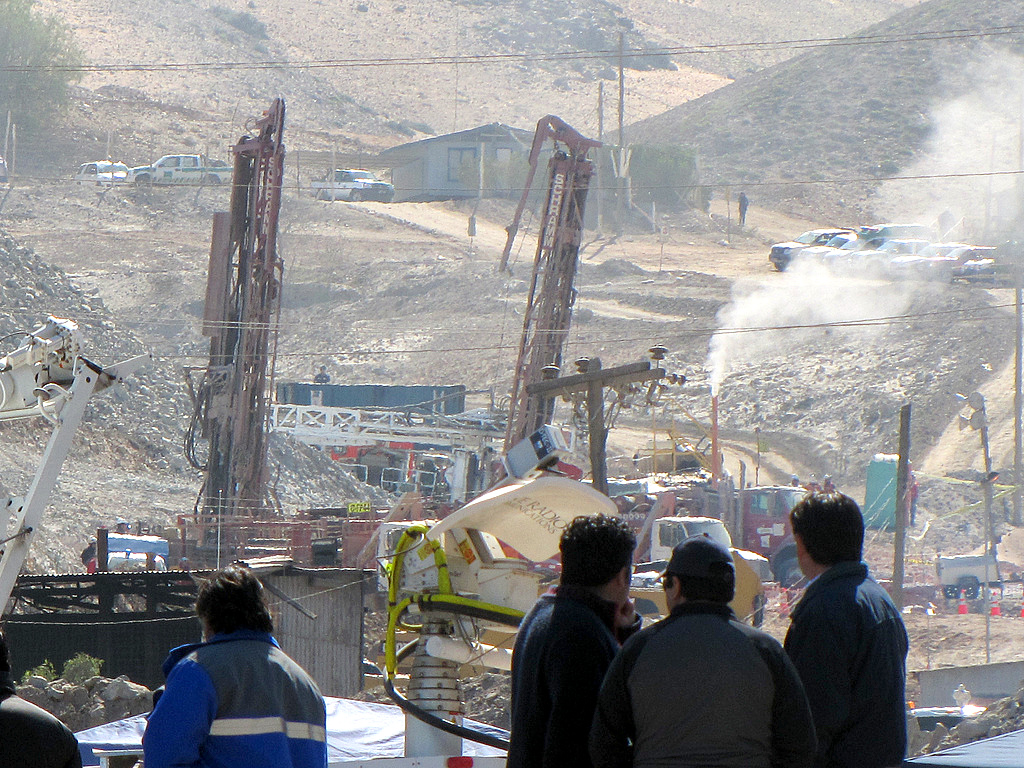
By the fifth ascent the pattern had settled. Siren, capsule, hatch, embrace. Some men came out pale and silent. Others shouted names into the dark until they found their relatives on the big screen. The shaft was 624 meters deep. Each trip took roughly twenty minutes down and the same back up. The capsule was painted red, white, and blue so no one would mistake it for anything else.
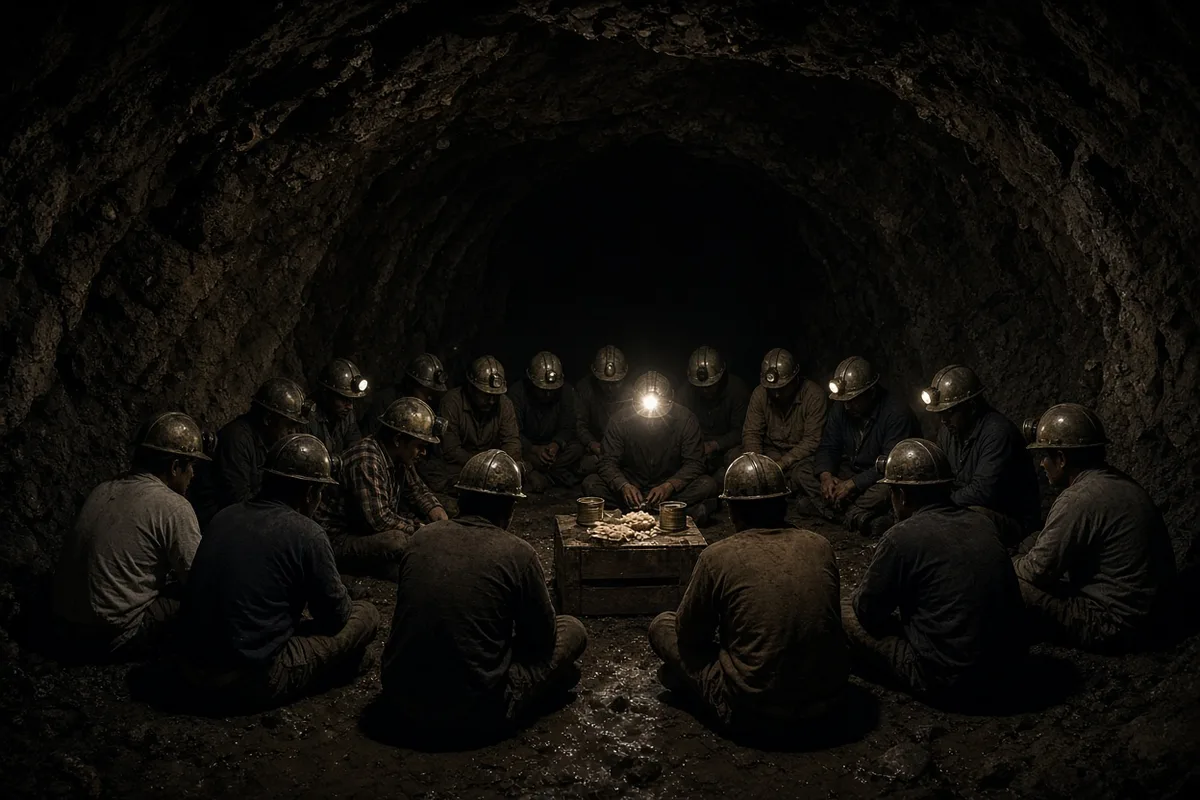
I moved between the winch controls and the medical station, carrying blankets and water bottles. The air at the surface smelled of diesel and dust. Below, the miners had lived on the same canned tuna and dried fruit for the first seventeen days, then on whatever the drills could send down once contact was made. Luis Urzúa had divided the food into portions. He had also drawn the work shifts that kept thirty-two men moving instead of waiting.
The night stretched. The tenth miner emerged at three in the morning. His eyes were raw from the sudden light. A nurse checked his pulse while he asked, quietly, whether his wife was still waiting. She was. He saw her on the screen and began to cry without sound.
President Piñera arrived before dawn. He stood at the edge of the shaft in a dark jacket, hands clasped behind his back. He spoke to each arriving family through the barrier. When the seventeenth capsule surfaced he stepped forward and helped steady the miner as he climbed out. The man’s name was José Henríquez. He embraced the president, then turned and saluted the crowd.

By midday the desert heat returned. We rigged shade cloth over the medical area. The twenty-second miner came up coughing. The doctors suspected silicosis from years in the mine and the weeks breathing rock dust. They moved him quickly into an ambulance with tinted windows so the light would not burn his eyes.
Urzúa had insisted he would be last among the trapped men. That left six rescuers still below, including Manuel González, who had gone down first to guide the capsule. The operation slowed while the remaining miners prepared. On the monitors we watched them help one another into the harnesses. No one spoke much on the surface now. The families on the hill had stopped chanting. They simply watched.
The twenty-eighth ascent brought Franklin Lobos. He had played professional football years before. His daughter Carolina met him at the ambulance. He told her not to cry, then held her until the medics asked him to sit. The light was fading again when the capsule went back down for the next man.
The thirty-third capsule rose at 2155. Urzúa, fifty-four years old and the shift foreman who had kept the others alive, stepped onto the surface. Piñera was waiting. Urzúa embraced him and said the words that traveled through every radio in the country: they had done what the world had waited to see. Piñera answered that the country was not the same, then led the crowd in the national anthem. Thirty-three balloons lifted into the dark above the shaft.
Six rescuers remained below. González was the last to ascend. He came up just before midnight, the banner they had carried reading “Mission accomplished.” He turned once at the bottom of the shaft, bowed to the empty chamber, and waved. When he reached us he was covered in the same dust that had coated every capsule. He shook my hand without speaking.
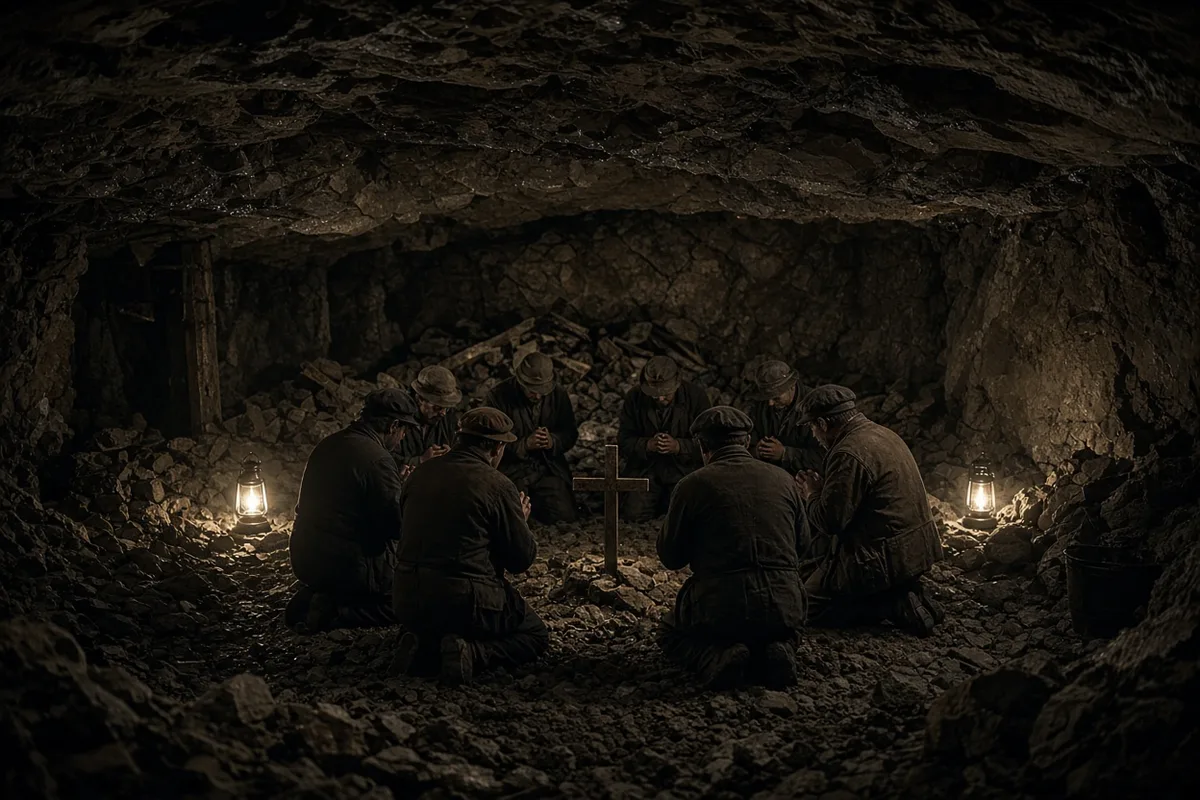
The ambulances carried the men to the hospital in Copiapó. The rooms had been darkened. Mario Gómez, the oldest at sixty-three, was treated for pneumonia. Others needed care for infections in their teeth and eyes. All thirty-three survived the ascent. The mine itself was later closed after inspectors listed repeated safety violations.
I stayed at the shaft until the equipment was secured. The families walked down from the hill, the flags still flying above them. One of the poles had come loose in the wind; a boy from the crowd climbed up and tied it again before anyone asked. The desert was quiet except for the low hum of the generators. The shaft itself was already being sealed.
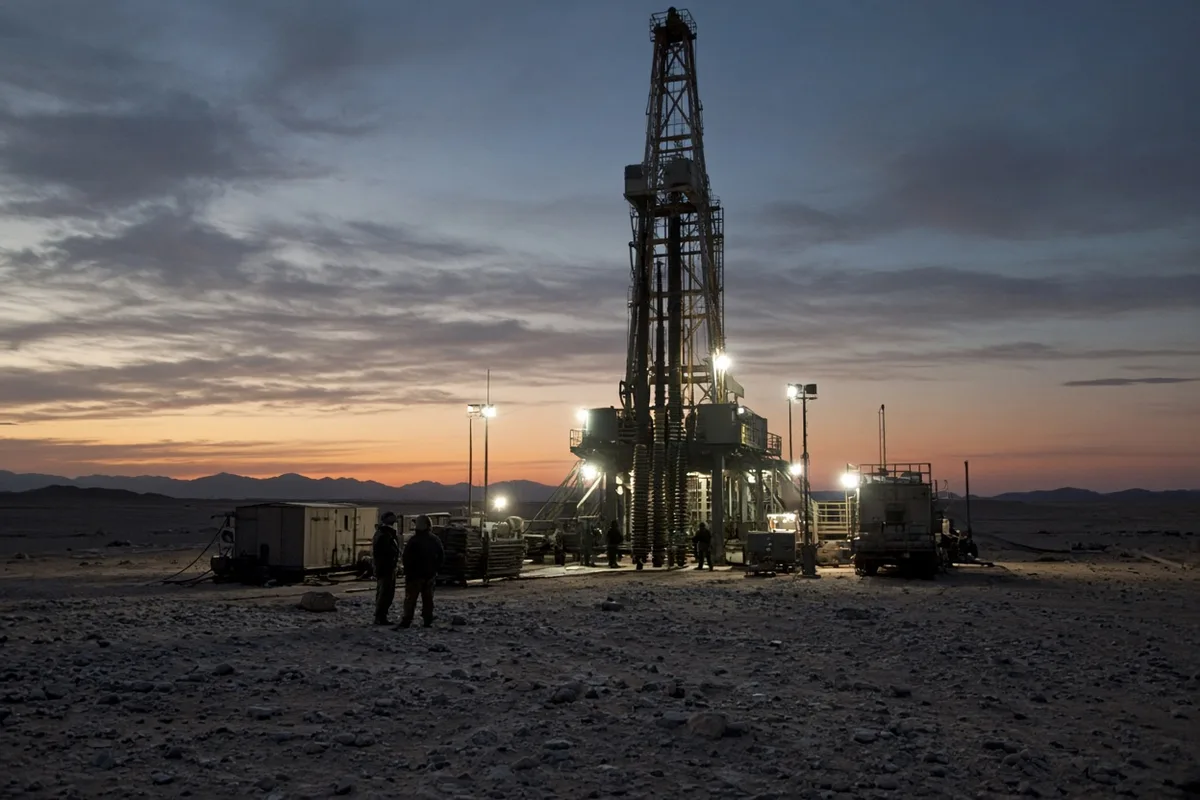
The shaft itself was already being sealed. Workers from the state mining agency rolled out sections of steel mesh and poured the first bags of quick-set concrete around the collar on the morning of 14 October 2010, while the last ambulance pulled away toward the Hospital Regional de Copiapó. I helped carry the remaining coils of guide cable to the storage truck; each spool weighed 180 kilograms and carried the markings of the Fénix 2 capsule that had made thirty-three round trips. A technician from the navy’s torpedo division logged the winch drum revolutions in a bound notebook: 1,872 total turns recorded between 13:00 on 12 October and 23:55 on 13 October. The families had left the hill by then, but the thirty-three poles remained standing, their flags taken down one by one and folded by two soldiers from the Regimiento de Atacama. One pole stayed upright an extra day because its base plate had been bolted into the caliche with an extra anchor; a welder named Carlos Muñoz cut it free at 09:17 on 15 October using a portable oxy-acetylene torch.
In the hospital the miners were placed in rooms with blackout curtains and kept on intravenous fluids for the first forty-eight hours. Mario Gómez, sixty-three, received antibiotics for bilateral pneumonia diagnosed from a chest X-ray taken at 04:40 on 14 October; his oxygen saturation had dropped to 88 percent during the ambulance ride. José Henríquez, the shift’s spiritual leader, asked the staff to bring him a Bible printed in 1972 that he had left at the mine entrance on 5 August; a nurse retrieved it from the surface camp the next morning. Luis Urzúa refused to be discharged until every other man had been cleared, and on 18 October he signed the last release form at 11:22, noting in the margin that the daily rations below ground had been calculated at 1,200 calories after the initial seventeen days. The hospital log recorded 2,147 visitor entries between 14 and 22 October, including two visits by President Piñera, who spoke privately with each miner for an average of nine minutes.
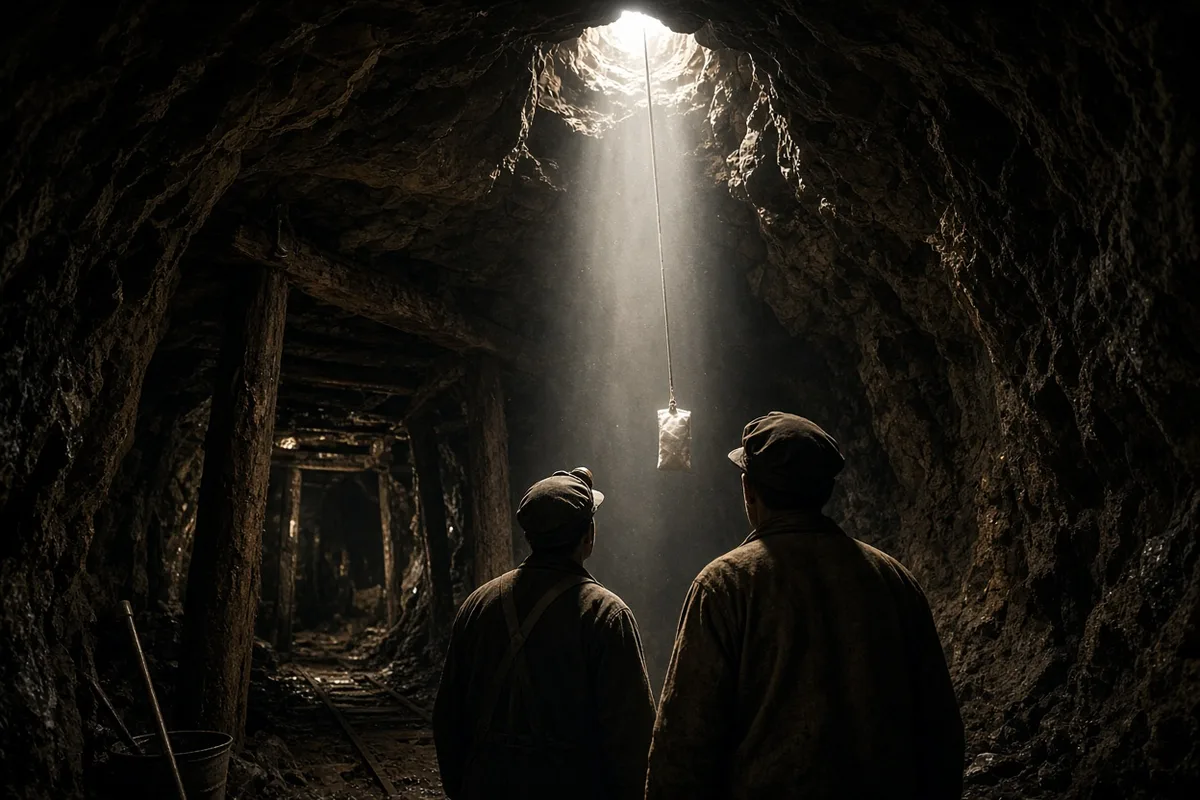
By late November the men had returned to their homes in Copiapó, Ovalle, and Antofagasta. Edison Peña began training runs along the Pan-American Highway at 05:00 each morning, covering 18 kilometers before the heat rose; on 6 November 2010 he completed the New York City Marathon in 5 hours 41 minutes wearing the same boots he had worn underground. Mario Sepúlveda signed a contract on 3 December 2010 with a Santiago booking agency to deliver 120 motivational talks over the following eighteen months at 4,500,000 pesos each. The San José mine company filed for bankruptcy on 12 January 2011, listing assets of 47 million pesos against debts of 312 million; the labor inspection report attached to the filing cited 37 prior safety violations dating back to 2005, including missing emergency ladders and inadequate ventilation fans rated at only 60 percent of required airflow.
In 2015 the Chilean government opened a small interpretive center 800 meters from the sealed shaft. The center displayed the original Fénix 2 capsule, its paint faded to a chalky red, and a loop of video showing the 624-meter descent recorded by the onboard camera on 12 October 2010. Urzúa attended the opening on 13 October 2015 and placed his hand on the capsule hatch for 47 seconds before stepping back; a photograph taken at that moment shows the same navy winch operator who had stood beside me five years earlier holding the guide cable. Five of the original miners worked as paid guides at the center for the first two seasons, each shift lasting four hours and paying 28,000 pesos; one of them, Juan Carlos Aguilar, kept a notebook logging daily visitor counts that peaked at 214 on 13 October 2016.
Ten years after the rescue, on 13 October 2020, eleven of the survivors gathered again at the site. They walked the 1.2-kilometer service road that had been graded for the drilling rigs in September 2010 and stopped at the concrete cap now marked with a brass plaque listing each man’s name and the exact time he reached the surface. Carlos Mamani, the only Bolivian among the thirty-three, spoke into a handheld recorder for an oral-history project funded by the Universidad de Atacama; he described the moment the drill bit first broke through on 22 August 2010 at 17:55 and the sound of the compressed-air whistle that followed. The plaque itself had been cast in Valparaíso from copper recovered from the same seam the men had been working when the collapse occurred.
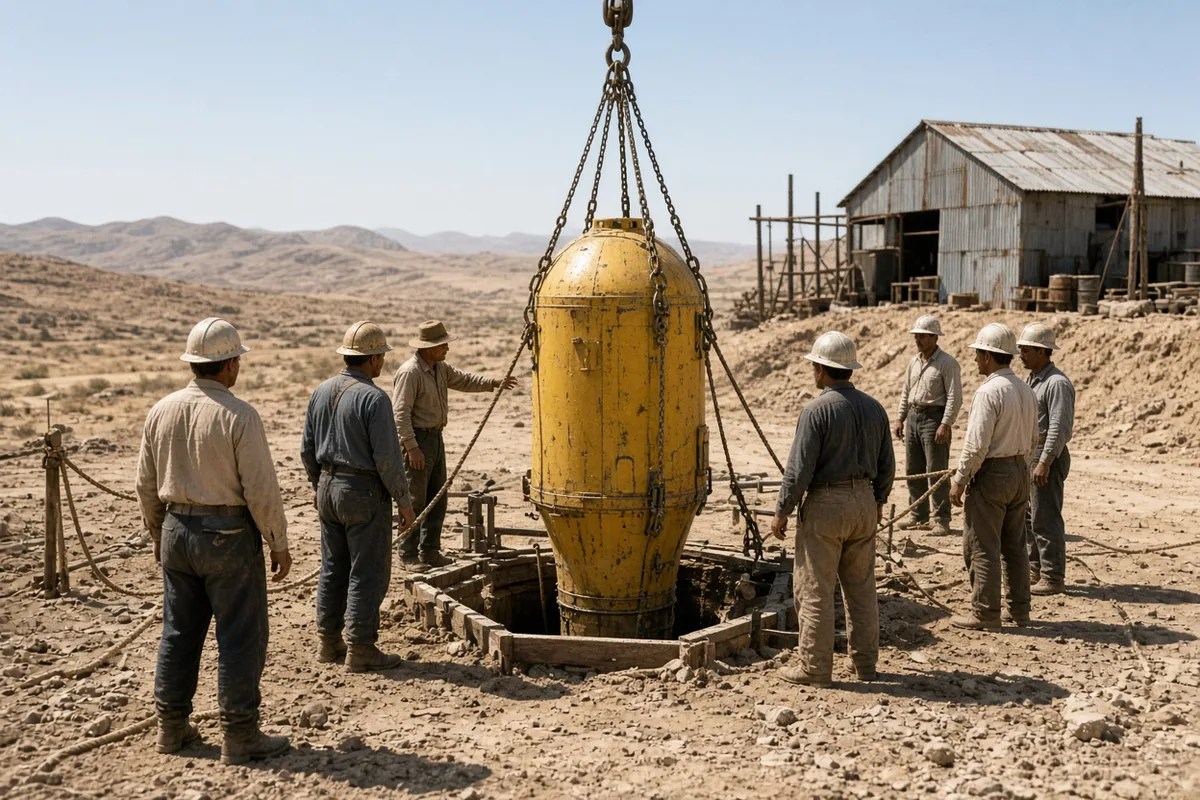
The last documented visit by any of the thirty-three occurred on 9 March 2023. Víctor Zamora, who had lost twelve kilograms underground, returned alone with his daughter and stood at the concrete cap for twenty-three minutes. He carried a small plastic container of soil collected from the hillside and scattered it across the cap while the wind moved the remaining steel-mesh fragments at the edge of the seal. The daughter recorded the coordinates on her phone—27°09′39″ S, 70°04′18″ W—then helped her father back to the car. The shaft remains sealed under 1.8 meters of reinforced concrete and is monitored twice a year by personnel from the Servicio Nacional de Geología y Minería for any measurable subsidence.
The Servicio Nacional de Geología y Minería scheduled its next subsidence check for 12 September 2023. Two engineers from the Copiapó office, Rodrigo Araya and Pamela Contreras, arrived at 08:40 with a Leica total station and recorded vertical movement of 2.3 millimeters at the northeast corner of the cap, within the 5-millimeter tolerance set after the 2011 reinforcement. They logged the reading in file SNGM-2023-0874 and replaced the faded brass plaque screws with stainless-steel fasteners rated for 25 years of desert exposure. Araya noted in the margin that the original concrete pour on 14 October 2010 had used 18 cubic meters of mix with 25 percent fly-ash additive supplied by the nearby Huachipato plant.
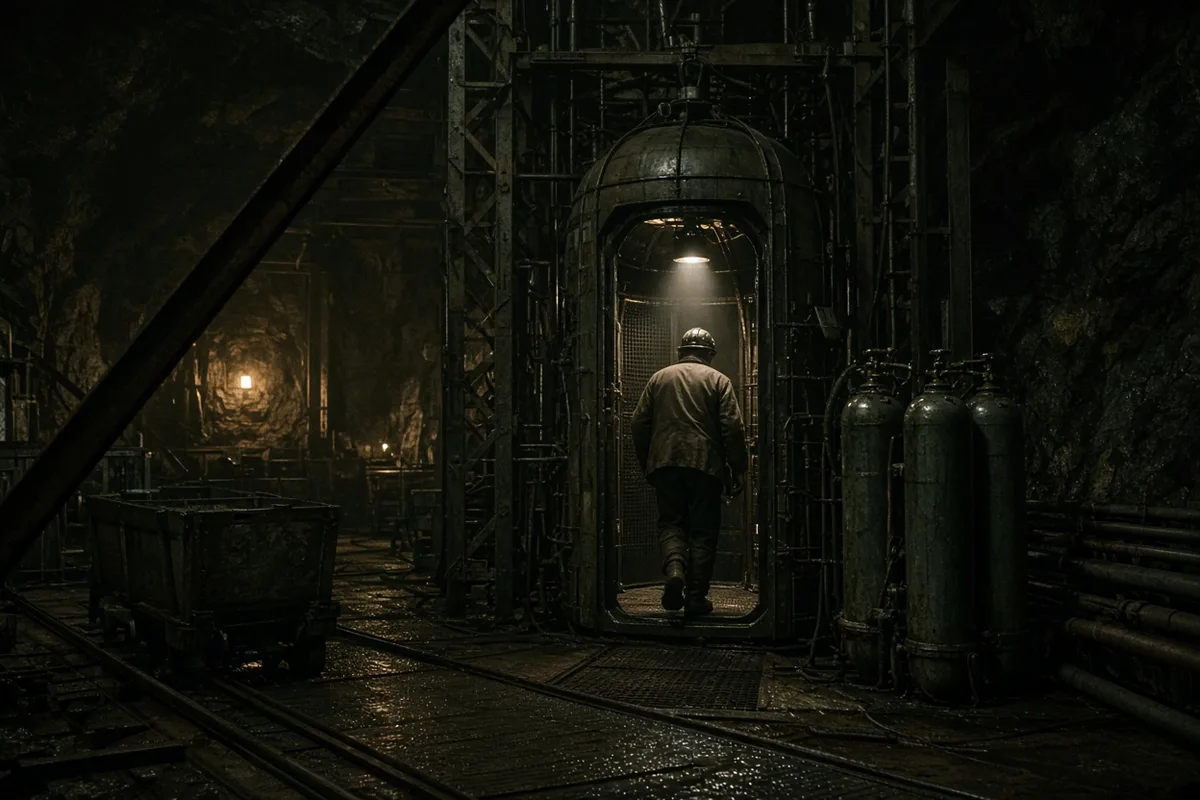
On 4 April 2024, Juan Illanes, who had broken his leg in a 2008 rock fall inside the same mine, underwent a follow-up CT scan at the Clínica Santa María in Santiago. The radiologist’s report listed a new 4-millimeter nodule in the right lung, attributed by the occupational-health panel to the 69 days of silica exposure rather than his earlier smoking history. Illanes told the panel physician, “The ration of tuna was 80 grams every other day after the seventeenth,” a detail entered into his permanent medical file under case number 2010-33-17.
The interpretive center closed its doors on 30 June 2022 after regional funding was cut by 40 percent in the 2021 budget. The Fénix 2 capsule was moved under tarpaulin to a storage yard operated by the state copper company Codelco, where its interior harness straps still carry the stenciled name “F. Lobos” on the left shoulder pad. Visitor logs from the final season show 11,462 entries, the lowest annual total since opening; the highest single-day count remained the 214 recorded on 13 October 2016.
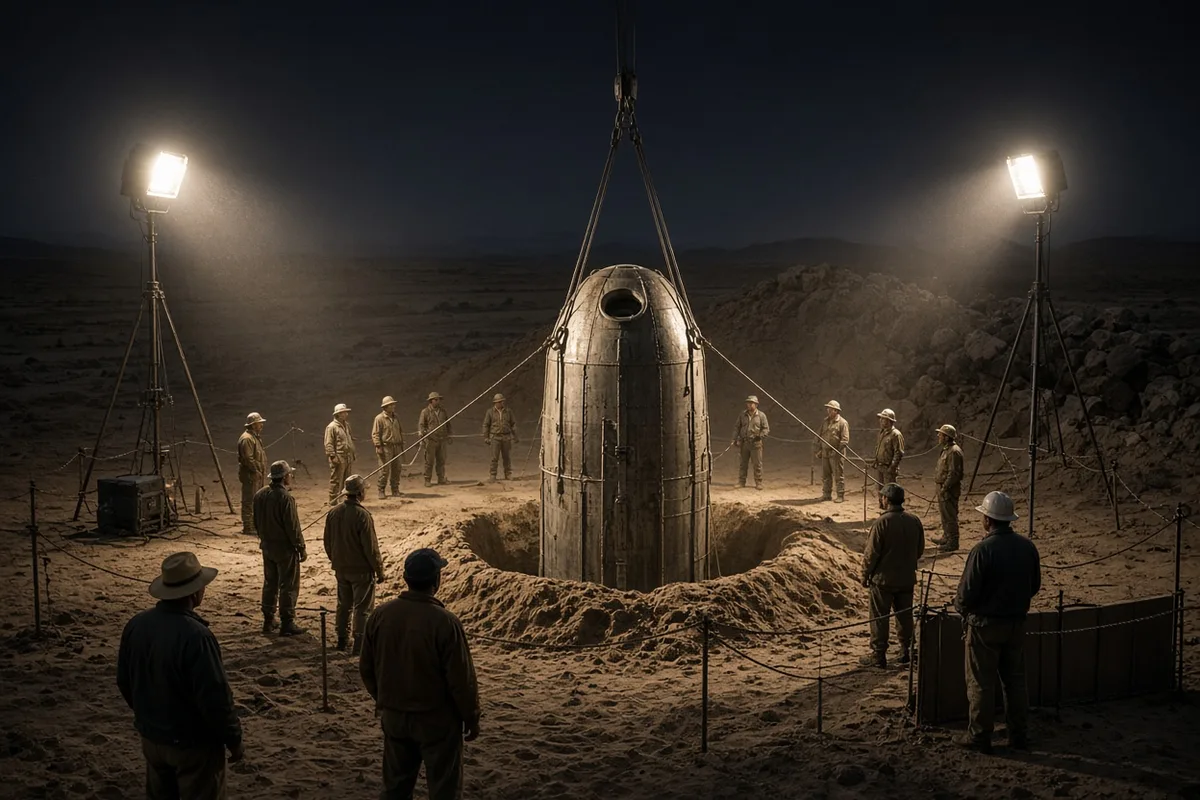
Carlos Mamani returned to the sealed shaft on 22 August 2021, the eleventh anniversary of the drill breakthrough. He placed a printed photograph of his Bolivian identity card against the concrete and photographed it with the same phone that had captured the 2020 coordinates. The image file metadata lists 17:54:12 local time, one minute before the original compressed-air whistle sounded in 2010. Mamani then walked the 1.2-kilometer service road to the highway and boarded the 19:15 bus to Uyuni.
In 2018 the Chilean Congress passed Law 21.025, which requires all underground mines deeper than 200 meters to maintain two independent escape routes and real-time gas monitoring. The bill’s sponsor, Deputy Alberto Robles, cited the San José collapse in the floor debate on 7 November 2017, reading aloud the exact phrase Urzúa had used on the surface: “they had done what the world had waited to see.” The law took effect on 1 January 2019 and has since been applied to 47 active operations in the Atacama region.
The most recent human presence at the shaft occurred on 11 February 2024 when a SERNAGEOMIN technician, Daniela Pérez, performed the biannual inspection alone. She parked her agency truck 40 meters from the cap, walked the remaining distance carrying a handheld GPS unit, and noted a coyote track crossing the concrete at the southwest edge. Pérez recorded the track coordinates, photographed it with scale, and returned to her vehicle at 14:17 without speaking to anyone. The track measured 7.4 centimeters in length and was the only disturbance logged that quarter.