



Absurd extremes expose the real physics of ordinary tasks
In 60 seconds
- Munroe answers ordinary tasks with the most extravagant technically defensible method, then checks whether the physics would actually work.
- Human jumping is capped a bit over a meter by muscle force, leg length, and mass; trampolines and low gravity only swap variables.
- Deep digging hits lethal heat long before effort runs out, as the Kola Superdeep Borehole showed around 12 kilometers down.
- Freezing or boiling a river fails by scale: water’s heat capacity and continuous flow demand industrial resources, not kitchen tricks.
- A reactor pool can be safer to swim near than instinct says, while perfect GPS tag destroys the uncertainty that made the game fun.
- Flashy mail cannons and personal phone generators lose to boring grids and postal networks already optimized for energy, safety, and reliability.
The big idea
Deliberately overengineering a simple task forces the arithmetic that normal advice skips, revealing which constraints—energy, heat, scale, infrastructure—actually govern the problem. Human intuition, tuned to small familiar scales, badly misjudges what happens when volume, speed, or power rise by orders of magnitude.
The book in brief
The book opens by treating ordinary chores as physics problems worth solving the wrong way on purpose. Instead of sensible tips, each chapter proposes the most extravagant method real engineering can defend—railguns for travel, river diversions for lawns—then runs the numbers to see where the plan collapses. Humor is the delivery system; the load-bearing work is the calculation of energy density, drag, thermal limits, or orbital mechanics, often checked with astronauts, athletes, and structural engineers.
Early chapters stay close to the body and the ground. Jumping becomes a lesson in muscle biomechanics and the hard ceiling a bit over a meter; trampolines, exoskeletons, and lunar gravity only substitute spring energy or reduced weight for raw force. Digging flips the naive labor story: temperature rises with depth until heat, not rock hardness, stops the work, as decades of drilling at Kola demonstrated.
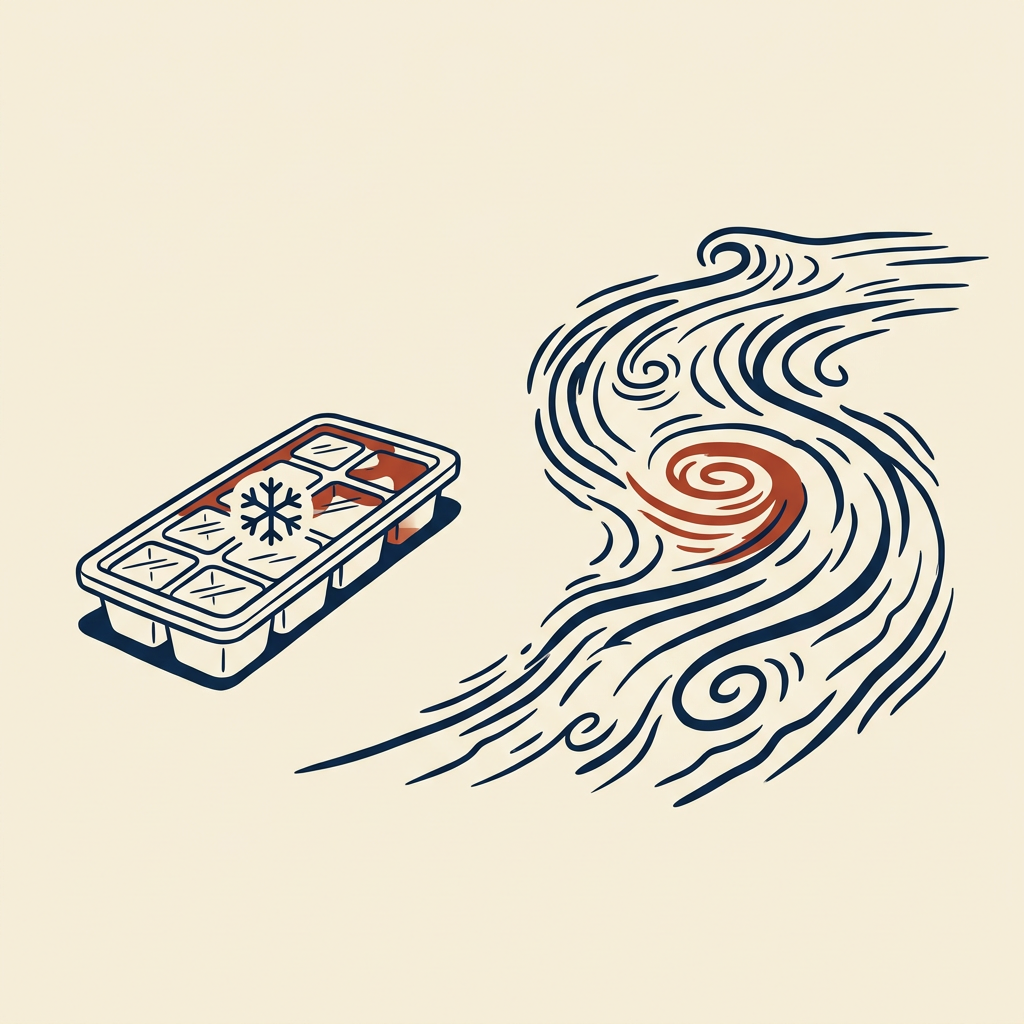
Scale then takes over. Freezing a puddle is trivial; freezing a flowing river demands cooling capacity that liquid nitrogen in personal quantities cannot supply. The same mismatch appears when boiling, damming, or bridging. A reactor-pool chapter uses radiation attenuation in pure water to show measured risk diverging from instinctive dread, modeling how to quantify danger instead of reacting to labels.
Later chapters shift from pure possibility to what perfect tools destroy or what mature systems already solve. Total GPS and drone tracking of tag removes the uncertainty the game needs. Mail cannons and drone fleets reveal that faster shipping is bought with kinetic energy and deceleration infrastructure that erase the gains; existing postal networks already balance speed, cost, and safety. Phone charging looks trivial in watt-hours until the invisible grid—plants, lines, real-time balancing—comes into view, and a personal hand-crank or rooftop panel sized only for a phone looks absurdly oversized for reliability.
The book lands on a recurring corrective: boring working systems are often near-optimal once you name the real variables, and absurd thought experiments are a cheap way to learn those variables without a textbook.
Context
Randall Munroe, known for xkcd and What If?, released How To in 2019 as another mix of physics and absurdity. Coverage in Scientific American and NPR praised its charm and accessibility for general audiences while noting specialists would see many punchlines coming.
The key ideas
1
Worst advice teaches best
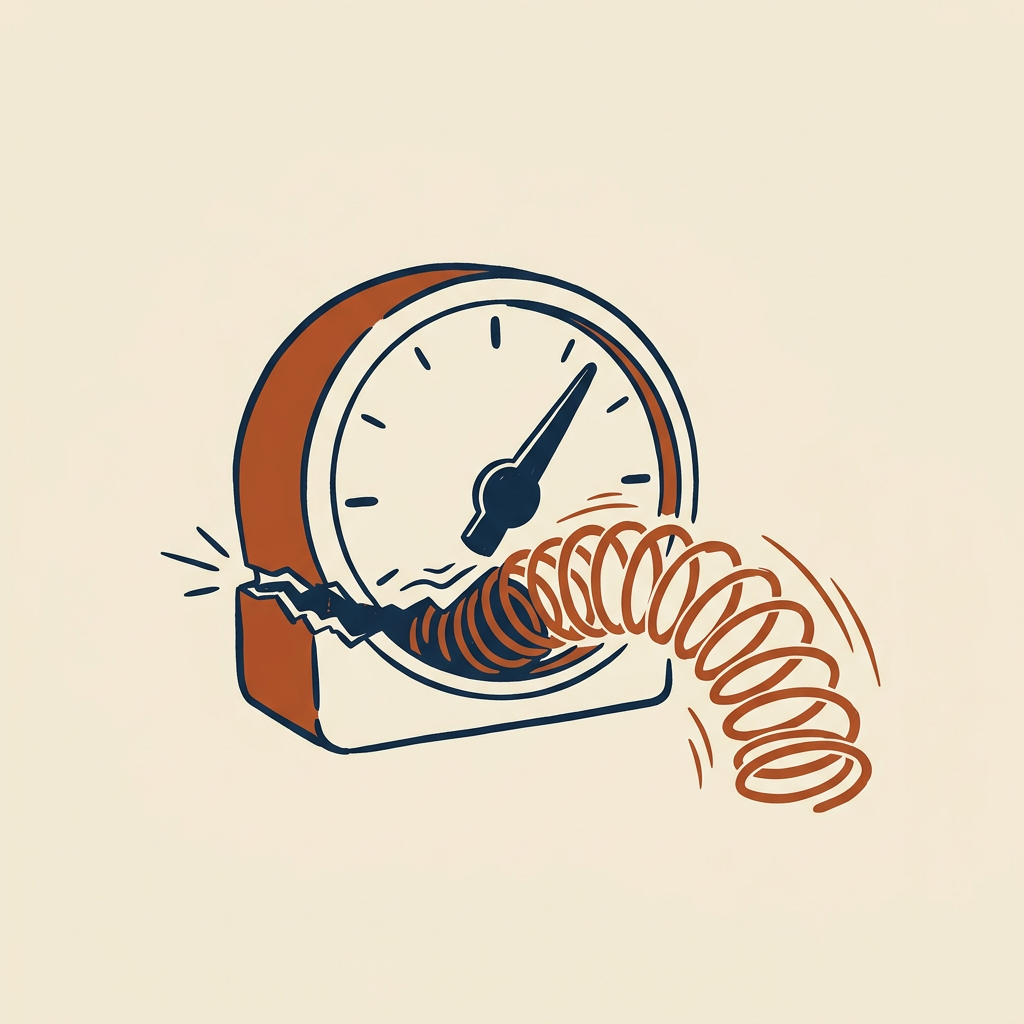
Overengineering a simple task exposes the actual governing constraints because extremes force the arithmetic sensible advice skips.
Sensible advice
Not very high—use a ladder
Extreme method
Calculate muscle force, leg length, mass; then try trampolines, exoskeletons, rockets
Pick any ordinary job—get somewhere fast, water a lawn—and answer it with the most extravagant method that still obeys physics. A railgun or a redirected river is not a recommendation; it is a forcing function that makes you calculate energy, materials, and biology instead of stopping at ‘use a ladder.’
The humor keeps readers moving, but every absurd proposal is a vehicle for a real quantity: battery energy density, rock thermal conductivity, the drag equation, orbital mechanics. Specialists—astronauts, athletes, structural engineers—are consulted to keep the numbers honest even while the application stays ridiculous.
A reader skimming for jokes still absorbs how power output, structural loads, and thermodynamics behave, because those are the quantities that make the wild plan succeed or fail. The method works precisely because it refuses to stay practical.
In practice: Asking how high a person can jump yields a ladder platitude; the overengineered route requires working out leg-muscle force, leg length, and mass scaling.
2
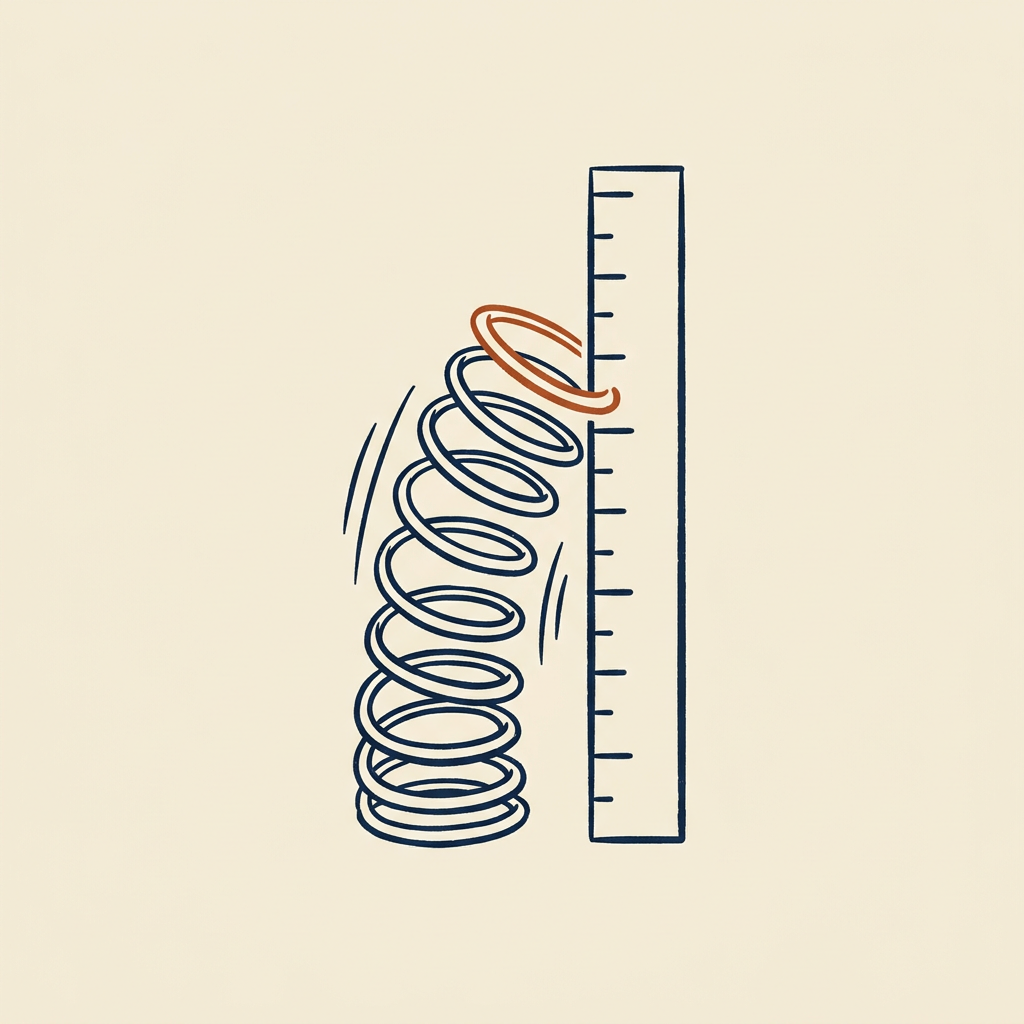
Jump height has a ceiling
Unassisted human vertical leap tops out a bit over a meter because muscle force, push distance, and body mass set a biomechanical limit elite athletes already near.
Standing jump height is not mostly technique or willpower. Force from leg muscles, the distance over which that force acts (leg length), and the mass being lifted combine into a rough ceiling a bit over a meter; top athletes sit close to it.
Workarounds change different terms in the same equation. A trampoline stores energy over a longer push and returns it, so the jumper borrows elastic energy instead of raising muscle output. Lower gravity, as on the Moon, leaves legs unchanged but lets the same push cover more distance, which is why Apollo crews hopped higher in bulky suits.
Rockets or explosive assists add external energy entirely, sidestepping muscle limits while introducing control, landing, and survivability problems. The same substitution logic explains why heavier objects need bigger engines, not better attitude, and why records move in centimeters once biology is near its edge.
In practice: Moon hops worked not because suits made astronauts stronger but because reduced gravity stretched the same muscle push farther.
3
Digging becomes a heat fight
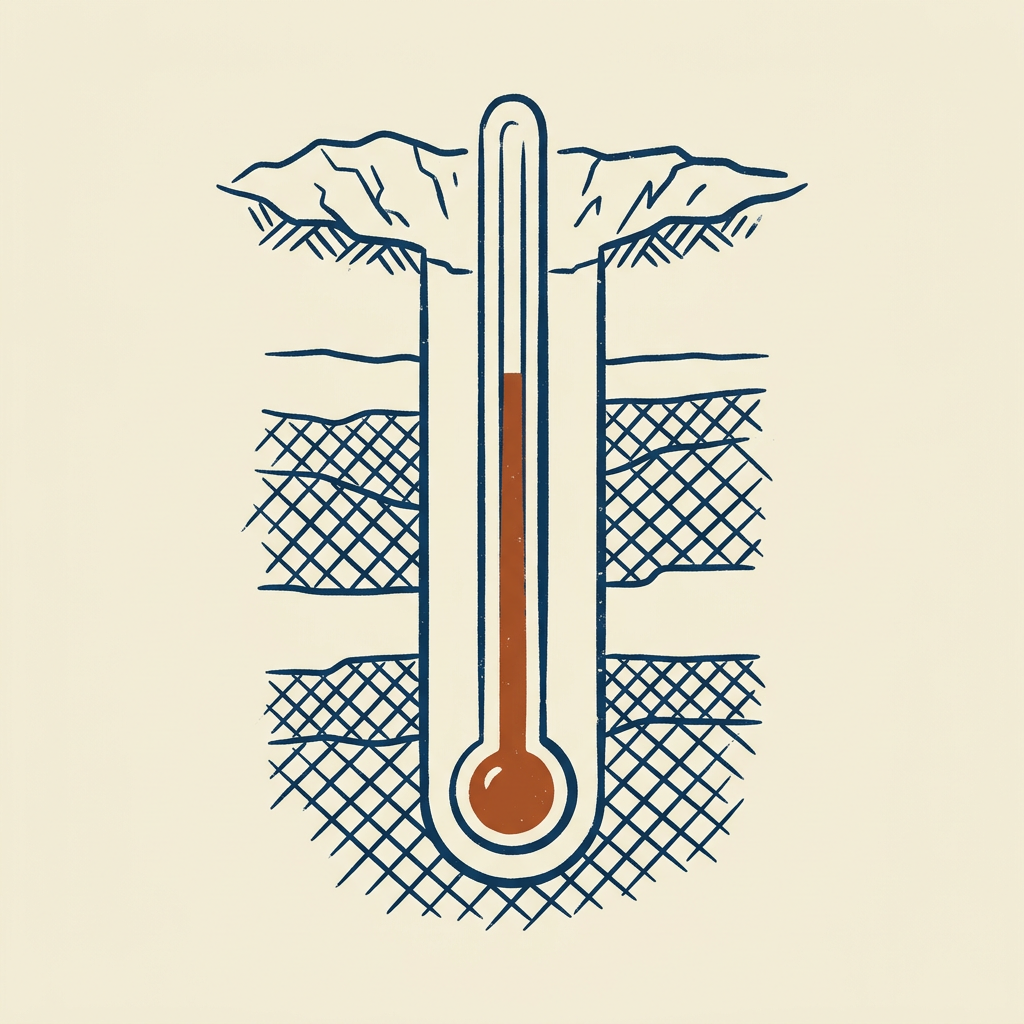
Past a few kilometers, rising underground temperature—not rock hardness or labor—stops deep holes, as Kola’s roughly 12-kilometer borehole showed.
- startDecades-long drilling project begins
- ~12 kmTemperatures far above predictions halt practical progress
- lessonThermal management replaces brute-force digging as the real problem
The intuitive barrier is effort: rock is hard, progress is slow. Once depth increases, temperature climbs at a fairly predictable rate almost everywhere, and standard gear and people cannot operate without serious cooling.
The Kola Superdeep Borehole spent decades drilling and reached about 12 kilometers before rock hotter than geologists expected made further progress with existing equipment impractical. Bits failed less from pure mechanical wear than from heat degrading machinery and destabilizing the hole.
Explosives, lasers, or repeated nuclear blasts run into the same wall: deeper means fighting heat and pressure rather than the rock itself. The general rule is that as any process scales, the binding constraint can change character—from mechanical to thermal to logistical—and ‘just dig harder’ breaks exactly where that shift occurs.
In practice: Kola’s drill string did not simply wear out; heat made the borehole unstable and the machinery unusable.
4
Rivers break kitchen intuition
A method that freezes a puddle is often thousands of times too weak for a river because heat capacity, latent heat, and continuous flow scale worse than linear.
Puddle scale
Home freezer, a few hours, kitchen energy
River scale
Industrial cooling or damming; continuous flow defeats small stockpiles
A home freezer solidifies a small puddle in hours. The same job on a river collides with water’s high heat capacity and large latent heat of fusion, plus constant new flow that must be outpaced or dammed first.
Liquid nitrogen looks overpowered for a glass of water yet is wildly insufficient in personal quantities for even a narrow crossing; required volume and cooling capacity jump faster than everyday experience predicts. Boiling the river dry, damming it, or floating a bridge of boats each turns a kitchen-scale trick into an industrial or national-scale project.
Because people meet physical processes at human size, they misjudge behavior when volume, area, or mass rise by orders of magnitude. Structural loads, heat transfer, and material costs often scale worse than linearly—the reason a real bridge is a multi-year project, not a bigger backyard fix.
In practice: Personal amounts of liquid nitrogen cannot freeze a flowing river crossing; the energy removal required outruns what a person can bring.
5
Fear diverges from dose
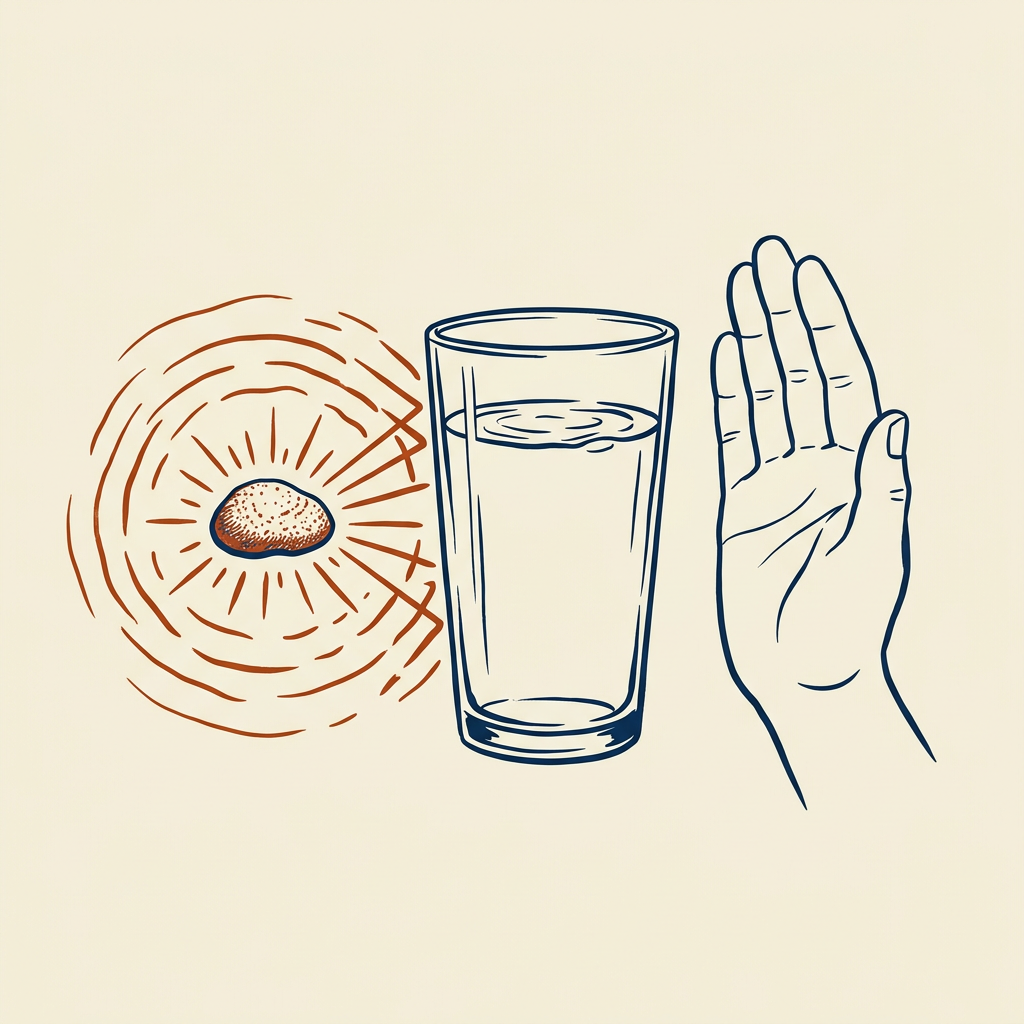
Spent-fuel reactor pools hold extremely pure water that shields radiation so sharply with distance that swimming near the surface can be low-risk when distance and time are controlled.
Instinctive label
‘Nuclear reactor’ equals maximum danger
Measured case
Pure water attenuates radiation; surface distance and time keep dose low
Reactor pools use deionized water partly because impurities would interfere with operations. Radiation from submerged fuel drops off sharply through water, an effective shield; workers have documented swimming near the surface while staying a safe distance above the fuel.
The physics of attenuation shows why the act is not reckless once distance and duration are quantified. Instinctive dread of the word ‘nuclear’ has almost no relation to the measured dose at a given spot.
The gap runs both ways: familiar warm pools with unclear chemistry or lakes with undertows can carry underrated measurable risk, while well-monitored radiation sources can carry less than the label suggests. Playful proposals such as a pool party are there to model quantifying danger rather than reacting to names.
In practice: Documented surface swims in reactor pools stayed safe by keeping vertical distance from the fuel and limiting time.
6
Perfect tracking kills tag
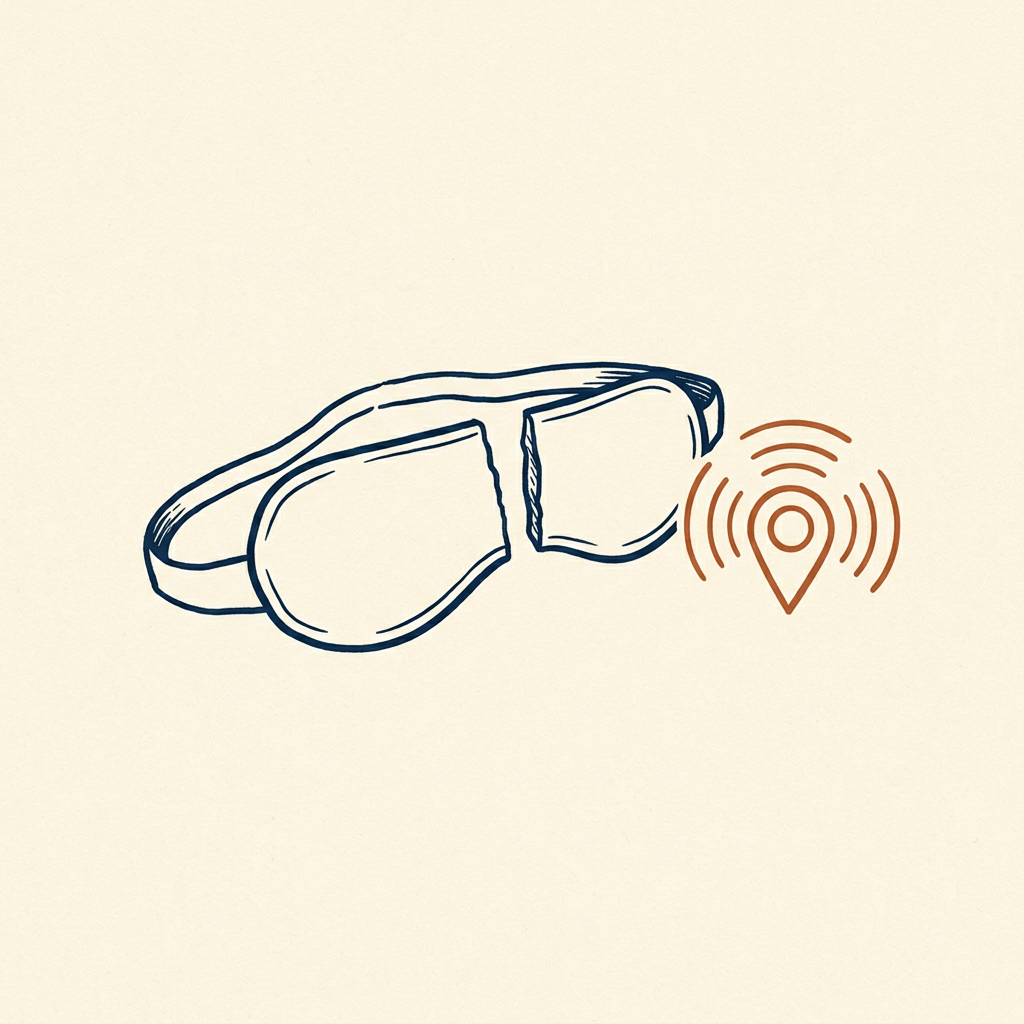
Real-time GPS, drones, and live feeds turn tag into a solved logistics problem by erasing the uncertainty that made chase and guesswork fun.
Consumer GPS, cheap drones, and geofencing can track players across a park with useful precision. Ordinary tag thrives on incomplete information about positions and intentions; the fun lives in the gap—guessing, gambling, sudden discovery.
Total tracking closes the gap. The tagger simply walks to the map pin. Escalating to satellites, thermal imaging, or city-wide cameras only raises the technical ceiling while making the activity less like play and more like military logistics.
Earlier chapters asked whether something is physically possible; this one asks what happens once it clearly is. A tool that works perfectly can still ruin the activity it was meant to improve when the value of the activity depended on the uncertainty the tool removes.
In practice: Live location feeds let the tagger skip every feint and hide; strategy collapses into reading a screen.

7
Mail speed costs energy
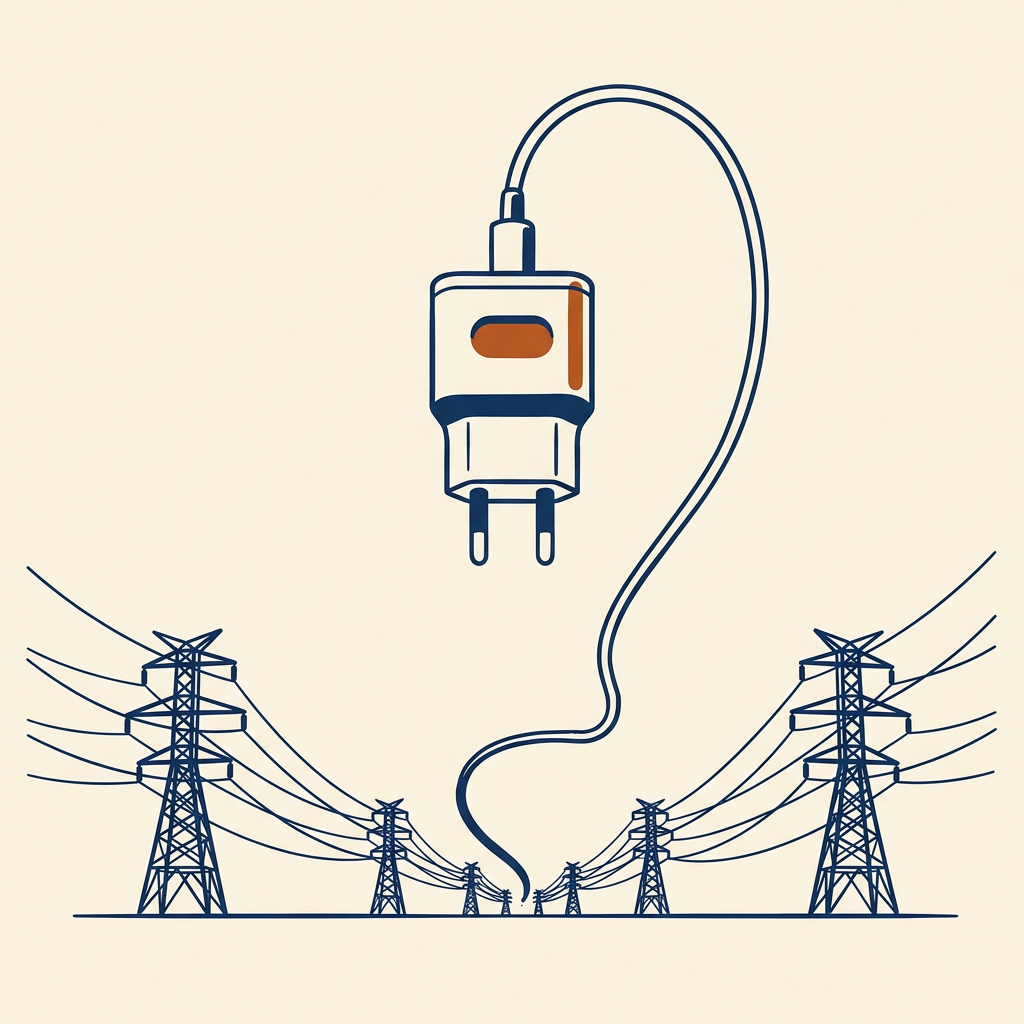
Beating a truck with a parcel cannon requires launch kinetic energy and an engineered deceleration system that erase most time savings and add huge cost.
Pneumatic tubes, rail-gun launchers, and dedicated drone fleets are scored on real energy: how much kinetic energy to hurl a parcel a given distance, how that compares with truck fuel, and what the package (and bystanders) experience on arrival.
A state-crossing speed that beats road transport arrives with enough energy to be dangerous, so any faster scheme needs matching deceleration hardware. That hardware eats the time advantage and multiplies cost.
Existing postal and shipping networks, built over more than a century, already balance speed, energy, safety, and cost at national scale. Flashy point solutions win the single advertised axis while losing the multi-variable optimization the boring system already solved.
In practice: A cannon-launched parcel fast enough to beat a truck needs a full braking installation at the far end, wiping out the headline gain.
8
Phone charge hides the grid
A phone battery’s watt-hours cost a fraction of a cent, yet delivering that trickle on demand anywhere requires one of the largest engineered systems humans run.
- Phone batteryTiny watt-hours, fraction of a cent
- Home outletInstant access on demand
- Substation and linesTransmission and transformation
- Power plant and balancingTurbines plus real-time supply-demand match
The energy inside a modern phone battery is tiny and cheap. The real subject is the chain that makes that trickle available instantly: power plant, substation, transmission, home outlet, constant balancing of supply and demand.
A single charge is a rounding error against plant output, but the grid that makes charging effortless is enormous. Building a personal solar panel, hand-crank, or mini turbine sized only for phones looks absurdly oversized relative to the energy need, because the grid is solving for reliability and availability, not raw joules per device.
Mature infrastructure often looks wasteful in isolation precisely because it is built for scale and uptime rather than the efficiency of any single use. Ordinary conveniences sit on support systems orders of magnitude larger than the visible task.
In practice: A hand-crank or rooftop rig dedicated to phone charging is comically large for the watt-hours delivered, yet still loses to grid reliability.
Key terms
- Overengineered method The most extravagant technically defensible answer to a simple task, used to force real calculations
- Binding constraint The limit that actually stops a plan once it scales—heat, energy, information, or infrastructure rather than the obvious obstacle
- Back-of-envelope estimate Rough Fermi-style arithmetic that checks orders of magnitude and units instead of full precision models
- Scale mismatch When a kitchen-size trick needs industrial resources because heat, mass, or flow grow faster than intuition expects
- Radiation attenuation How dose falls off sharply with distance through water, turning a reactor pool into an effective shield
- Uncertainty gap Incomplete information about positions or intentions that makes games like tag worth playing
- Multi-variable optimization Balancing speed, energy, safety, and cost together the way mature postal and power systems already do
What to do
- Pick one routine task and spend five minutes inventing the most extreme technically real solution, then name the single quantity—energy, heat, force, or time—that would stop it.
- Do rough arithmetic on units and orders of magnitude before calling any fix trivial or impossible.
- When something feels safe or dangerous, look up a measurable rate or dose instead of trusting the feeling.
- Before calling an existing system outdated, ask which hidden constraint—reliability, scale, safety—it may already be optimized for.
- Check one familiar convenience (mail, outlet, jump) and sketch the invisible support chain that makes it look easy.
Questions to think with
- Which constraint in your own work is actually thermal, informational, or infrastructural rather than the labor problem everyone names?
- Where have you seen a perfect tracking or prediction tool remove the uncertainty that made an activity worthwhile?
- What ‘outdated’ system around you might already be winning a multi-variable race that a flashy single-axis gadget would lose?
- How far does your fear of a labeled hazard match any number you could actually look up?
- If you scaled a household fix by a thousand times, which physical quantity would break first?
The other side
The book is episodic delight rather than a deepening argument; chapters stand alone and the science stays at Fermi-estimate depth that specialists will find thin. Simplified safety math (reactor pools, for example) could leave a careless reader overconfident, expert voices are brief cosigns, nothing is meant for direct practical use, and the dry apolitical comic register skips social or economic ‘how to’ problems where extremes translate poorly.
Who it's for
Readers who loved xkcd or What If? and want more physics-plus-absurdity, plus curious non-scientists, parents, and teachers seeking a low-friction entry into engineering reasoning. Specialists and anyone wanting cumulative argument or hands-on skills will get less.