



Advertising exists to sell, not to win awards or amuse
In 60 seconds
- An ad that wins awards or praise but fails to move sales has failed, full stop.
- Every single advertisement is either a deposit into or a withdrawal from a brand's long-term image.
- About five times as many people read the headline as the body copy, so the brand name and core benefit must live there.
- Specific, verifiable facts in copy outsell strings of superlatives that every competitor can also claim.
- Positioning—who the product is for and why—must be locked before any headline or visual is chosen.
- Direct-response ads that produce traceable orders are the lie detector that reveals which techniques actually work.
The big idea
Ogilvy argues that advertising is a business tool judged only by sales, not an art form judged by peers, and that discipline beats cleverness at every stage. Define the buyer and the benefit first, put that benefit in the headline, back claims with facts, treat every ad as a long-term brand deposit or withdrawal, and revise until the prose is plain.
The book in brief
Ogilvy starts from a blunt rejection: advertising is not entertainment or trophy hunting for creatives. The client pays to sell more product. He roots this in door-to-door selling and research work at Gallup, where persuasion was measured, not tasted. Flashy jokes and stylistic flourishes that please copywriters but leave purchase intent untouched are failures by definition.
From that spine he builds outward. A brand is not the physical formula; it is an accumulated personality in the buyer’s mind, shaped by every ad, package, and price promotion. Short-term coupon tricks can train people to buy on price and quietly empty the reputation account built over years. The Hathaway eye-patch campaign showed how a single, lasting image could give a small shirt maker distinction no collar description could buy.
He then drills into the single print ad. Most readers never reach body copy, so the headline must carry the brand and the benefit alone. Once someone does read on, specific technical facts outsell vague adjectives, because unsupported superlatives have been discounted by every competitor’s identical claims. Positioning sits upstream of all of this: Dove was redefined as one-quarter cleansing cream for dry skin before a word of copy was written, and that choice dictated years of work.
The same logic hits television and direct mail. Commercials fail when viewers remember the joke and forget the brand; the fix is early name, repetition, real demonstration, and testing. Direct response, where every order is countable, becomes the laboratory that proves guarantees, specific testimonials, and free trials actually move strangers. Rules then split by category: packaged goods need repeated simple propositions; industrial buyers want dense facts; retail wants urgency and price; corporate work wants sober reputation argument.
Finally he turns inward. Research should catch expensive failures and confirm comprehension, not let panels invent the idea. Agencies must hire people bigger than themselves or mediocrity compounds. And good copy is rewritten copy—short words, short sentences, active voice, read aloud until every syllable earns its keep. Strategy dies on the page if the prose is dull or self-indulgent.
Context
David Ogilvy distilled three decades of running a major agency into this opinionated manual, drawing on campaigns for Rolls-Royce, Hathaway, Dove, and Schweppes. It mattered because it codified practical rules for an industry that often ran on ego and fashion rather than measured selling.
The key ideas
1
Sell or it failed
An advertisement that wins praise or awards but does not move sales has failed, no matter how clever it looks.
Peer prize
Clever, funny, or stylish work that wins awards and copywriter praise
Client test
Would you run it without the agency name, judged only on sales lift?
Ogilvy rejects advertising treated as an art form judged by its own community. The client is not paying for entertainment or an industry trophy; the client is paying to sell more product. He is openly hostile to work made to please copywriters rather than consumers, and to campaigns built around a joke or flourish with no link to a reason to buy.
His blunt test is whether you would be equally happy if the ad ran without the agency’s name on it, judged only on whether it moved the needle. Door-to-door sales and later research at Gallup taught him that persuasion is measurable, not a matter of taste. Fond memory of an ad means nothing if it does not translate into purchase intent or brand recall of what was actually sold.
Every later rule—headlines, copy length, television technique, agency management—is judged by this same yardstick. The stance put him at odds with much of Madison Avenue in the 1960s and 70s, where flashy or comedic work was prized by peers even when clients saw no sales lift.
In practice: He treats campaigns built purely around a joke with no buying reason as failures even when peers applaud them.
2
Brand deposit or withdrawal
Every single advertisement is a deposit or a withdrawal against a brand’s long-term image, so short-term tricks can damage a product for years.
Deposit
Consistent personality ads that compound distinction over years
Withdrawal
Constant price-off coupons that train buyers to wait for discounts
Ogilvy treats a brand not as the physical product but as an accumulated personality formed in the consumer’s mind over time. Every ad, package, and price promotion shapes it. For many packaged goods the physical formulas are nearly indistinguishable, so the image is the only durable difference.
Frequent price-off coupons and sales train customers to buy on price rather than loyalty. That cheapens the image years of consistent advertising tried to build. Image and personality are not decoration on top of the real selling proposition; in many categories image is the proposition, because functional differences are too small to detect in a supermarket aisle.
This reframes advertising from one-off messages into a long cumulative investment. Changing an agency, a campaign’s tone, or a spokesperson too often destroys value that took years to build.
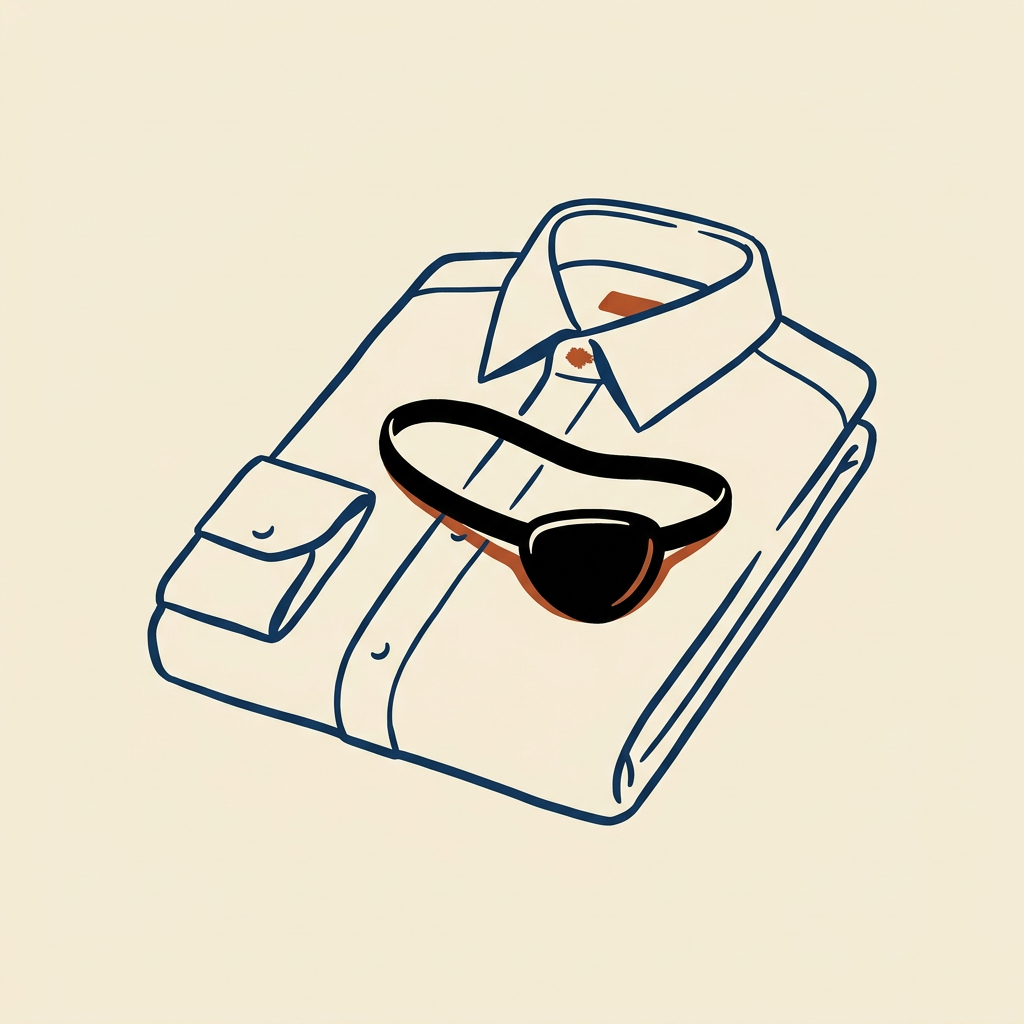
In practice: The 1951 Hathaway shirts campaign put a model in an eye patch in otherwise ordinary ads; the patch had nothing to do with stitching, yet gave a small shirt maker lasting mystery and distinction as sales rose for decades.
3
Headline does the heavy lift
On average five times as many people read the headline as the body copy, so a headline that omits brand or benefit has already lost most of the sale.
5x
more people read the headline than the body copy
Building on cumulative brand image, Ogilvy turns to the mechanics of one print ad and starts with the first line. Citing readership work from his Gallup years, he holds that five times as many people read the headline as read what follows. A headline that skips the brand name or core benefit wastes most of the money spent placing the ad.
He scorns puns, vague clever wordplay, and negative statements that readers might stick to the product. Questions invite the reader to supply an unhelpful answer and tested poorly. Whenever possible the brand name itself should sit in the headline, because many people will absorb nothing else.
Whatever personality or promise the brand is meant to carry has to survive being read in isolation, stripped of supporting copy. For the great majority of the audience, that headline is the entire advertisement they will ever see.
In practice: His Rolls-Royce headline stated a concrete fact: the loudest noise inside the car at speed came from the electric clock—believable, specific, and implying engineering quality he could defend.
4
Facts beat empty adjectives
Specific, verifiable facts in body copy sell more reliably than strings of superlatives every rival can also claim.
Adjectives
“Finest,” “unsurpassed,” vague enthusiasm every rival can copy
Facts
Number of paint coats, named soundproofing materials, assembly precision
For the smaller audience that continues past the headline, Ogilvy rejects the idea that people will not read long copy. They will read as much as is genuinely useful once the headline and image have hooked them. Unsupported claims like “the finest” or “unsurpassed quality” get discounted because every competitor says the same thing.
Credibility is fragile. Once a reader catches an exaggeration, every other claim becomes suspect. Honesty about limitations, or specificity a competitor cannot simply copy, does more selling work than bravado. Practical information a buyer needs before purchase—price, availability, how the product is used—belongs in the ad, treating it as a stand-in for a good salesperson who knows charm alone will not close.
Copy length should be set by how much the reader needs to decide, not by the lazy claim that modern audiences are too impatient for detail.
In practice: The Rolls-Royce ad followed the clock-noise headline with roughly a dozen specific technical claims: coats of paint, soundproofing materials, precision of engine assembly.
5
Positioning before a single word
How a product is defined and for whom shapes everything that follows, so a positioning mistake cannot be rescued by clever execution.
Before a headline or visual is chosen, the most consequential decision is already made: what is this product for, and who is it for. Agencies that jump straight to a creative concept without answering those questions risk wit that performs in isolation while still failing to grow the business.
Ogilvy treats this work as closer to research and strategy than to what people usually call “creative.” He criticizes shops that treat positioning as a formality to finish quickly so the fun ad-making can begin. A clear, well-researched positioning statement is more valuable than a brilliant execution built on an unclear or wrong one.
Positioning is the strategic decision; brand image is the cumulative personality built to express it over time; headline and copy are the tactical execution of both. Get the first wrong and the rest cannot save you.
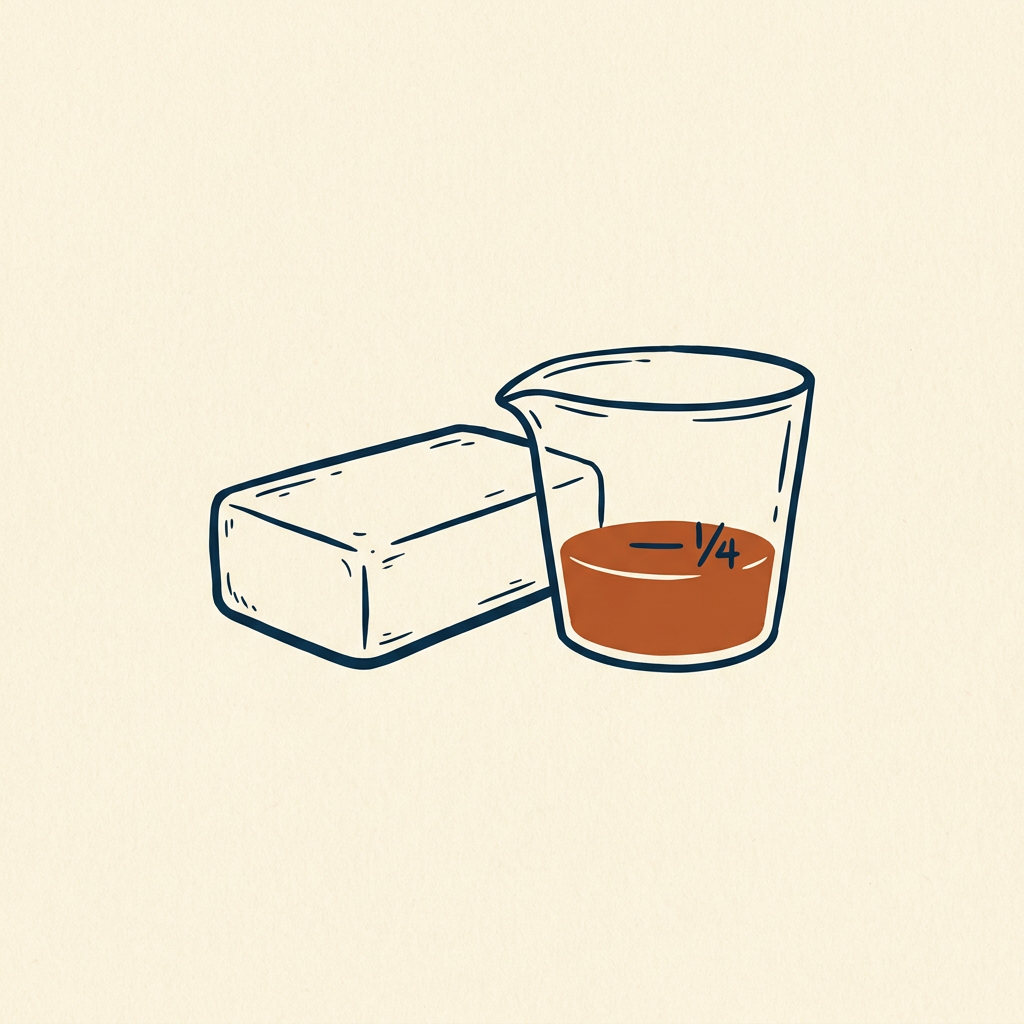
In practice: Dove was positioned not as another soap competing on lather or fragrance but as containing one-quarter cleansing cream for women concerned about dry skin; that redefinition set claims and audience for years of mostly unchanged campaign work.
6
Fuse brand to the entertainment
Most television commercials fail because viewers remember the entertainment and forget which brand paid for it.
Forgotten payer
Vivid joke and actors recalled; brand name blank
Fused memory
Name early, repeated, product demonstrated, benefit shown
When television was the dominant medium, Ogilvy saw its persuasive potential routinely wasted. Viewers could recall a funny commercial in vivid detail—the joke, the actors—yet could not name the product. He treats that as a diagnostic failure, not a curiosity.
His remedies are mechanical: identify the brand name early, repeat it, show the product being used or its benefit demonstrated rather than merely implied, and avoid generic background music he calls “wallpaper.” Humor as a primary strategy is suspect because jokes wear out with repetition and the memory of laughing can crowd out the sales message. Demonstration of a real benefit holds up better under repeated viewing.
Test commercials with real audiences before large media budgets are committed. Intuition about what is entertaining is a poor predictor of what is persuasive. Entertainment is fine only when it is load-bearing and could not be lifted and attached to any other brand without losing its effect.
In practice: He describes viewers who remember every beat of a comic spot yet cannot say which product it advertised—proof the brand was never fused to the pleasure.
7
Direct response as lie detector
Because direct mail and mail-order ads produce a traceable sale, they reveal which techniques actually work far more reliably than general brand advertising.
Ogilvy credits much of his advertising education to direct response, where every ad ties to a specific number of orders, coupons, or dollars. Unlike brand work where results are inferred, this feedback loop is a laboratory. Offers with a clear guarantee outperform those without; testimonials from believable, specific people outperform anonymous claims; free trial or money-back offers reduce first-purchase risk better than price discounts alone.
Copywriters trained only in image advertising, where failure never traces to one ad, develop habits direct response quickly punishes. A weak headline or vague benefit shows up immediately as fewer orders, not as an unmeasured “impression.” Even writers who will never work in mail order should study the discipline: it forces honesty about what moves a stranger to act, stripped of the excuse that an ad was only building awareness.
Most general advertising would benefit from the same rigor wherever possible. The alternative is trusting internal opinion and industry fashion.
In practice: Guarantees, named testimonials, and free-trial offers consistently beat vague claims and pure discounts when orders are counted one by one.

8
Category changes the rules
A single creative formula cannot serve packaged goods, industrial products, retail, and corporate advertising, because each is bought and evaluated differently.
Ogilvy warns agencies against applying one creative style across every client. Packaged goods are usually bought out of habit with little active decision at the shelf, so repetition of a simple unique selling proposition matters more than novelty. Industrial and business-to-business buyers are professionally motivated to gather information, so dense factual copy in trade publications outperforms emotional consumer-soap approaches.
Retail advertising, built around specific items and prices, rewards clarity and urgency over brand-building subtlety; the ad is competing for an immediate visit. Corporate advertising aimed at investors, potential employees, or public opinion needs a sober register closer to argument than persuasion, because its job is reputation rather than a purchase trigger.
Creative directors who only understand consumer packaged goods will misjudge what industrial buyers or shareholders find credible. Category expertise is not a minor specialization; it is a precondition for competent work. Headlines, image, and positioning still apply, but tone, tactics, and acceptable copy length shift with who is reading and why.
In practice: His agency’s mix of household packaged-goods clients beside large industrial and corporate accounts showed that the same emotional consumer style failed when buyers needed dense trade-press facts or sober reputation argument.
9
Research guards, people invent
Pretesting prevents expensive failures, but handing creative decisions to committees and panels produces safe, forgettable work.
Guardrail
Pretest to catch irritation, confusion, and insincerity before big spend
Committee capture
Panels average opinions into bland compromise and kill distinctive voice
Trained early as a Gallup researcher, Ogilvy argues strongly for testing before large media budgets are spent. Pretesting has revealed planned jingles that irritated viewers and spokespeople who came across as insincere—problems far cheaper to catch before national broadcast. Research is a guardrail against avoidable mistakes, not a fountain of creative ideas.
He is equally critical of agencies and clients who let research committees and focus groups dictate content. Consumers are good at spotting what irritates or confuses them and poor at predicting what will persuade them to buy, because persuasion often turns on elements audiences cannot articulate even when they respond. Final judgment must stay with experienced professionals who understand both the findings and the limits of what research can say.
The resolution is procedural: use research to catch failures and confirm comprehension; keep invention with people who have absorbed the rules on headlines, facts, and image and can make a call a survey of untrained consumers cannot make for them.
In practice: Pretesting caught a planned commercial’s jingle that irritated viewers and a spokesperson who read as insincere before the spots went national.

10
Hire giants, rewrite everything
An agency’s quality is set by hiring people more talented than yourself and by relentless revision, not by one star campaign or a first draft.
Ogilvy turns from craft to the organization that produces the work. The biggest long-term determinant is hiring people more talented than the person doing the hiring. Hire out of insecurity and mediocrity accumulates generation after generation; hire ambitiously and talent compounds the way brand image compounds. Once hired, creative people need real autonomy; micromanagement into caution produces their worst work.
At the sentence level he is just as hard. The difference between mediocre and effective copy is almost entirely discipline in revision, not raw talent. He rewrote famous ads many times—cutting unnecessary words, replacing abstractions with concrete terms, reading drafts aloud to catch what sounds unnatural spoken. Short words, short sentences, active constructions: readers skim, and every extra syllable taxes patience.
Study strong prose stylists and read copy from the specific customer’s perspective, not a colleague’s. None of the strategic principles survive if the words on the page are dull, imprecise, or self-indulgent. Craft at the sentence level is the final unglamorous step where earlier work either reaches the reader or is lost.
In practice: He sent newly appointed office heads a set of nested Russian dolls with a note in the smallest: hire people smaller than yourself and you get a company of dwarfs; hire bigger and you get giants.
Key terms
- Brand image The accumulated personality of a product in the buyer’s mind, shaped by every ad, package, and promotion over time
- Positioning The upstream decision of what the product is for and who it is for, made before any creative work begins
- Headline weight The rule that far more people read the first line than the body, so brand and benefit must live there
- Facts over adjectives Specific, checkable claims in copy beat vague superlatives every rival can also use
- Direct response Advertising tied to countable orders or coupons, used as a laboratory for what truly makes strangers act
- Deposit or withdrawal Each ad either builds or erodes long-term brand reputation; short-term price tricks often withdraw
- Pretesting Checking ads with real audiences before big media spend to catch irritation or confusion, not to invent the idea
- Category rules The shift in tone, length, and tactic required when the buyer is a habit shopper, an industrial purchaser, a retail visitor, or an investor
What to do
- Write in one sentence who the next ad is for and what single benefit matters most to them before drafting any headline.
- Draft the same headline five ways, read each aloud, and keep the version that states the benefit most concretely.
- Rewrite your next marketing copy at least twice, cutting every adjective not backed by a fact and replacing one vague claim with a verifiable detail.
- Before approving a campaign, ask whether it could run with the brand name removed and still make sense; if yes, redo it until the brand is inseparable.
- Study one direct-response offer this week—guarantee, named testimonial, or free trial—and note which element would transfer to your own selling.
- If you hire or brief anyone, choose the person whose craft exceeds yours rather than the safer, smaller fit.
Questions to think with
- Would I still run this ad if the agency’s name were stripped off and the only score was sales?
- What single benefit does this product offer this specific person, said in plain words?
- If viewers remember the joke or the stylish shot, will they also remember which brand paid for it?
- Is this copy making a claim a competitor could not simply copy, or just another “finest”?
- Am I using research to catch failures, or letting a panel invent a bland compromise?
The other side
The evidence is almost entirely anecdotal success stories from Ogilvy’s own campaigns, with clear survivorship bias and little systematic before-and-after data; the famous five-times-headline figure comes from mid-twentieth-century print readership studies treated as universal law; the book assumes mass magazines, network TV, and direct mail and has almost nothing for targeted digital, social, or fragmented attention; it often defaults to a female homemaker audience and underserves small-budget marketers without agency research; later critics argue it overstates rational fact-based copy and underweights impulse, social proof, and algorithmic personalization.
Who it's for
Junior copywriters who want rules of thumb instead of vague inspiration, small-business owners writing their own ads and wondering what actually works, and marketing managers who need a way to judge agency creative work on more than personal taste.