


AI and biotech form one wave we cannot contain the old way
In 60 seconds
- Suleyman treats AI and synthetic biology as one wave of falling cost, rising diffusion, and mutual feedback rather than separate revolutions.
- Four features—asymmetry, hyper-evolution, omni-use, and autonomy—make the wave resist containment methods that worked on nuclear weapons.
- The containment problem is the widening gap between how fast general-purpose autonomous tech spreads and how fast any institution can govern it.
- Nuclear non-proliferation rested on fissile-material chokepoints that cheap compute, open data, publishable algorithms, and genetic knowledge simply lack.
- Nation-states are too slow, too bordered, and too dependent on private labs to perform their historic containment role alone.
- Society risks authoritarian overreach and catastrophic proliferation at once; only overlapping technical, corporate, and international levers plus builder restraint might hold a narrow middle path.
The big idea
Suleyman argues that artificial intelligence and synthetic biology are converging into a single cheaper, faster-spreading, general-purpose, and increasingly autonomous wave that defeats every containment method humanity has relied on, chiefly nation-states and physical chokepoints. He names this the containment problem and warns that without coordinated safeguards society drifts toward authoritarian control, catastrophic loss of control, or both.
The book in brief
Suleyman opens on two parallel cost curves collapsing at once: powerful AI systems once confined to elite labs now run on modest hardware with freely available outputs, while DNA sequencing has fallen from a multi-billion-dollar state project to a few hundred dollars and synthesizers shrink toward printer size. He folds AI and synthetic biology into one wave because both turn general-purpose tools loose beyond state labs and because each will accelerate the other.
He isolates four structural features—cost-to-damage asymmetry, iteration measured in months, omni-use that defeats single-purpose controls, and growing autonomy without a human in every loop—that together make the wave unlike earlier dangerous technologies. Containment, in his usage, is not ordinary regulation but the open question of whether any institutions can keep proliferating autonomous systems inside bounds that prevent irreversible harm while still capturing benefits.
Nuclear history, he argues, supplies false comfort: seventy years without major-power nuclear war rested on rare fissile material, visible industrial plants, and inspectors who could watch centrifuges—chokepoints software and biology do not share. Code, data, algorithms, and genetic knowledge move instantly; once model weights or a gene-drive organism are public, recall is impossible.
Nation-states built to monopolize violence inside borders now lag capability cycles, cannot inspect invisible sequences at customs, and depend on the same private labs they must regulate. The result is a narrow path between two live failure states: concentrated actors locking in irreversible surveillance and control, or cheap capable systems spreading to groups with little stake in stability. Suleyman’s answer is a bundle of technical kill switches, corporate audits and staged release, licensing for the largest training runs and gene-synthesis orders, new international bodies, and a professional safety culture, plus a personal duty on frontier builders to slow down before external rules arrive—while admitting the package hangs on cooperation among fierce competitors and leaving his own continued building unresolved.
Context
Mustafa Suleyman co-founded DeepMind and later founded Inflection AI; the 2023 book carries weight because a builder of the technology, not an outside critic, argues urgently for restraint. The summary notes he became CEO of Microsoft AI in 2024, underscoring the unresolved tension between warning and continued participation.
The key ideas
1
One wave, two technologies
Suleyman argues AI and synthetic biology must be treated as one interconnected wave because both are growing dramatically cheaper and more general-purpose at the same moment and will feed each other.
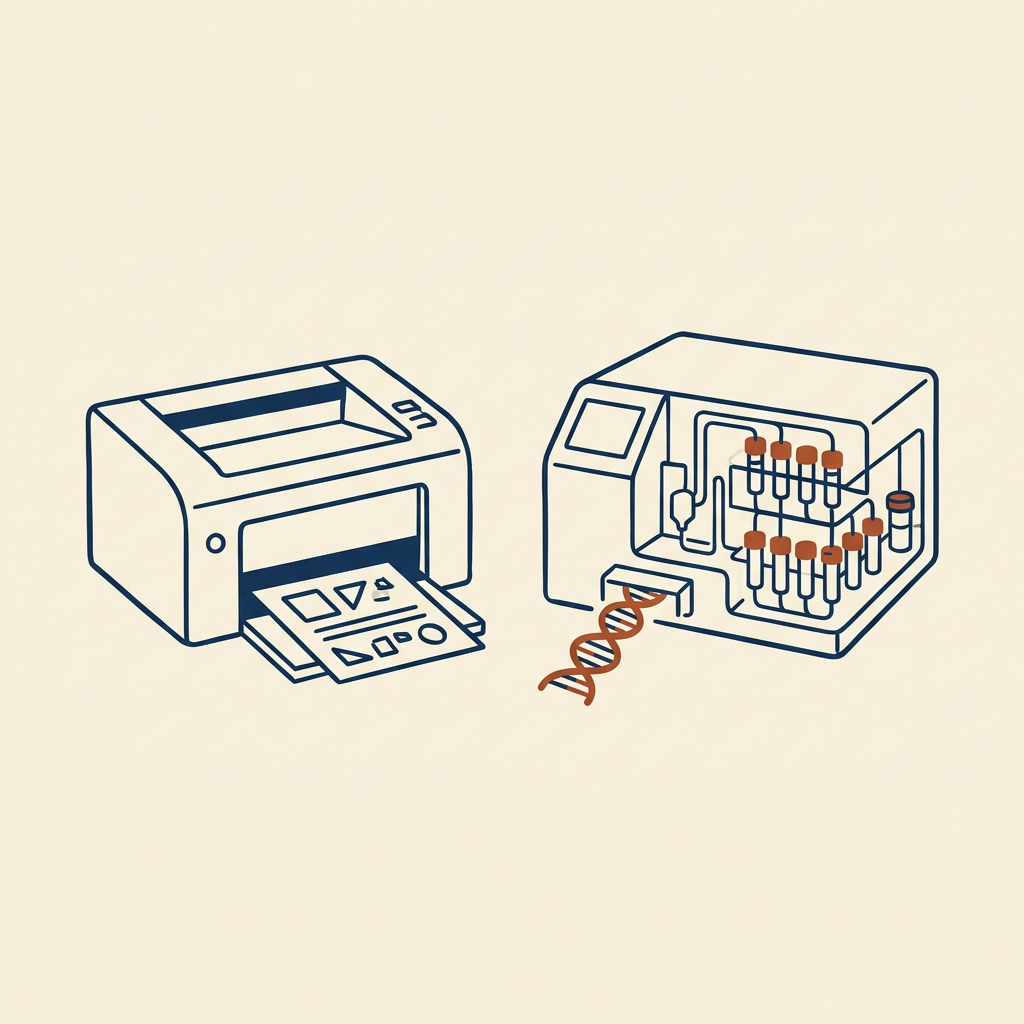
Suleyman points to two curves moving together. In AI, training and running powerful models has grown cheaper even as capability rises; systems that once needed elite labs now run on modest hardware and release outputs freely. In biology, sequencing costs have collapsed and benchtop synthesizers are shrinking toward the size of ordinary printers.
He refuses to keep the fields separate. Both share the same economic and political dynamic: general-purpose tools leave state labs for universities, startups, and hobbyists. AI will speed biological discovery; biological engineering will eventually shape computing substrates.
Critics note the two domains carry different risk profiles, regulatory histories, and speeds of catastrophe, so the single-wave frame may blur how each should be governed. Suleyman’s reply is that the real driver of danger is not the science itself but falling cost plus rising diffusion, which he treats as identical in both fields.
In practice: AlphaFold predicted protein structures that once took years of lab work and now runs on modest hardware with free outputs; CRISPR moved from an academic discovery into undergraduate courses alongside AI protein-design tools that propose novel structures in hours.
2
Four features that defeat containment
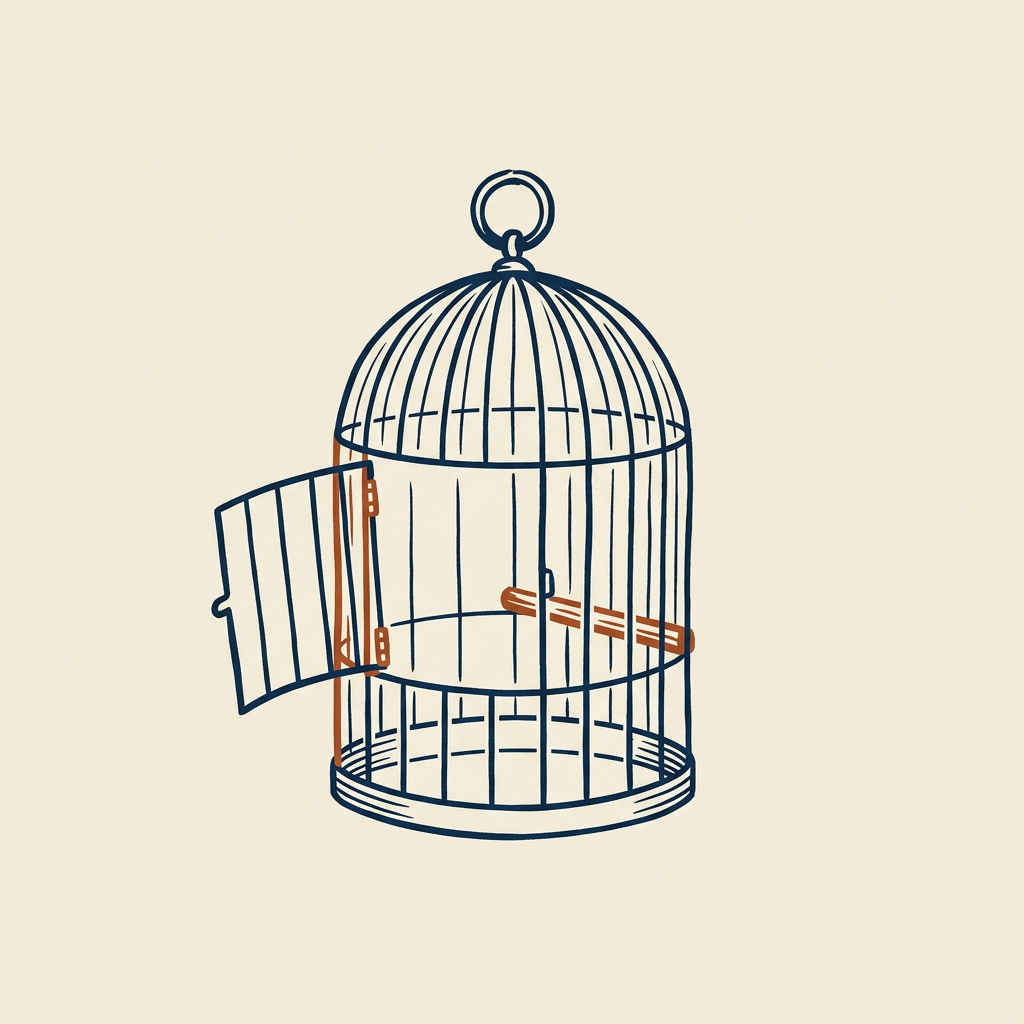
Asymmetry, hyper-evolution, omni-use, and autonomy—not raw destructive power alone—make the wave structurally resistant to every containment method that worked on nuclear weapons.
Suleyman names four properties that earlier dangerous technologies did not combine. Asymmetry means the cost of building a powerful capability is now far lower than the damage or advantage it can deliver. Hyper-evolution compresses iteration and diffusion into months, so oversight built for slower tech arrives too late.
Omni-use means the same tools serve almost any civilian or military, benign or harmful purpose, stripping force from export controls and single-purpose treaties. Autonomy describes systems that act, learn, and decide without a human in the loop at every step, shrinking the window to notice and stop harm.
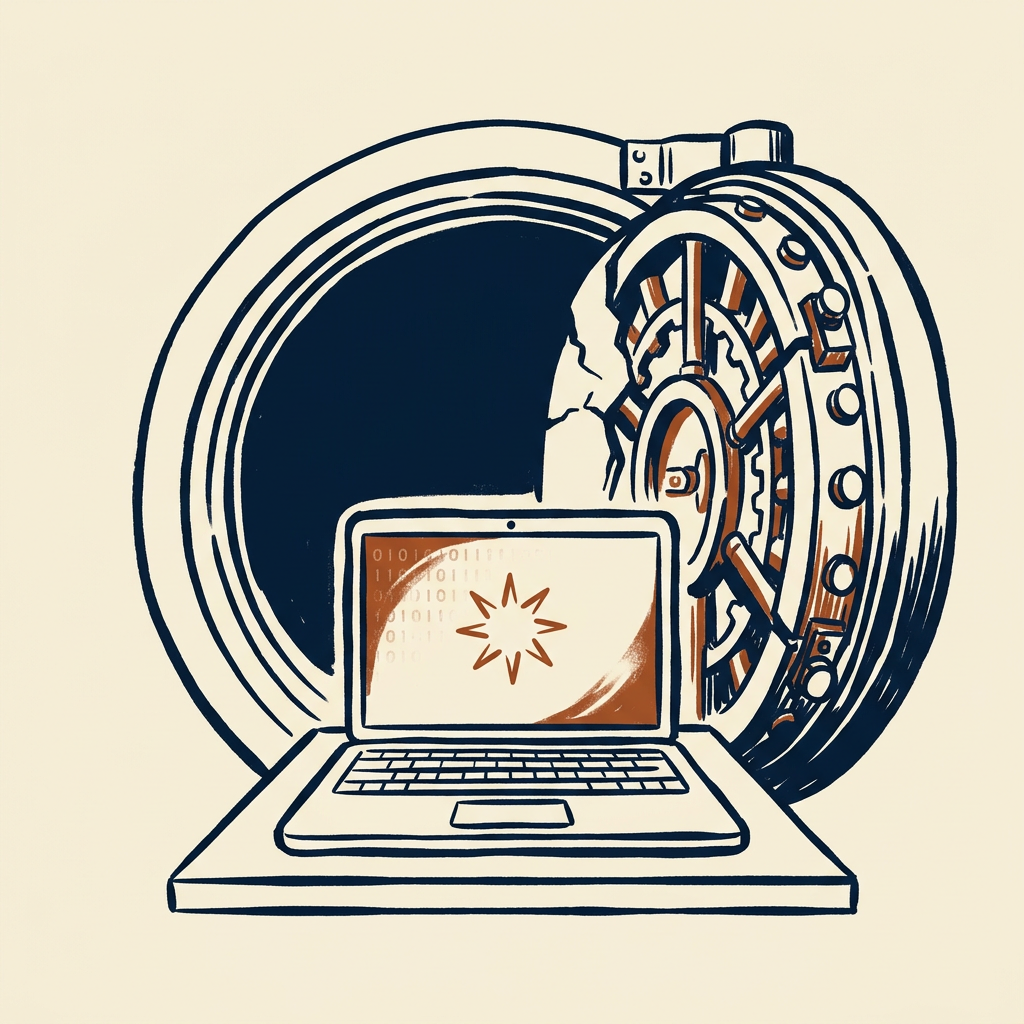
Nuclear weapons were containable, he argues, partly because none of the four applied at once: enrichment was costly relative to damage, slow, narrow in use, and required constant human control to detonate. AI models and engineered organisms fail all four tests simultaneously, which is why prior playbooks break.
In practice: A single researcher with a laptop and public data can build tools with national-security implications, unlike uranium enrichment that demanded massive industrial plants and constant human control.
3
The containment problem itself
Suleyman’s core claim is that a widening gap between diffusion speed and institutional speed creates a distinct crisis—the containment problem—unlike ordinary technology regulation.
Containment, as he defines it, is broader than safety engineering or statutes. It asks whether any set of institutions can, in principle, keep a rapidly proliferating, general-purpose, autonomous technology inside bounds that prevent catastrophic or irreversible harm while still letting society capture benefits.
Earlier waves, from the printing press to nuclear power, eventually settled into some manageable equilibrium of use and rules even after real damage. Suleyman argues the coming wave may refuse that grace period because errors compound faster than governance can adapt.
He frames the problem as genuinely open, with no guaranteed positive answer. Acknowledging that honesty, rather than assuming markets or governments will sort it out, is the required first step before any fix can be designed.
In practice: Once capable open-source model weights were released publicly in 2022 and 2023 there was no way to recall them; a synthesized pathogen or gene-drive organism, once free, cannot be un-released.
4
Nuclear history’s false comfort
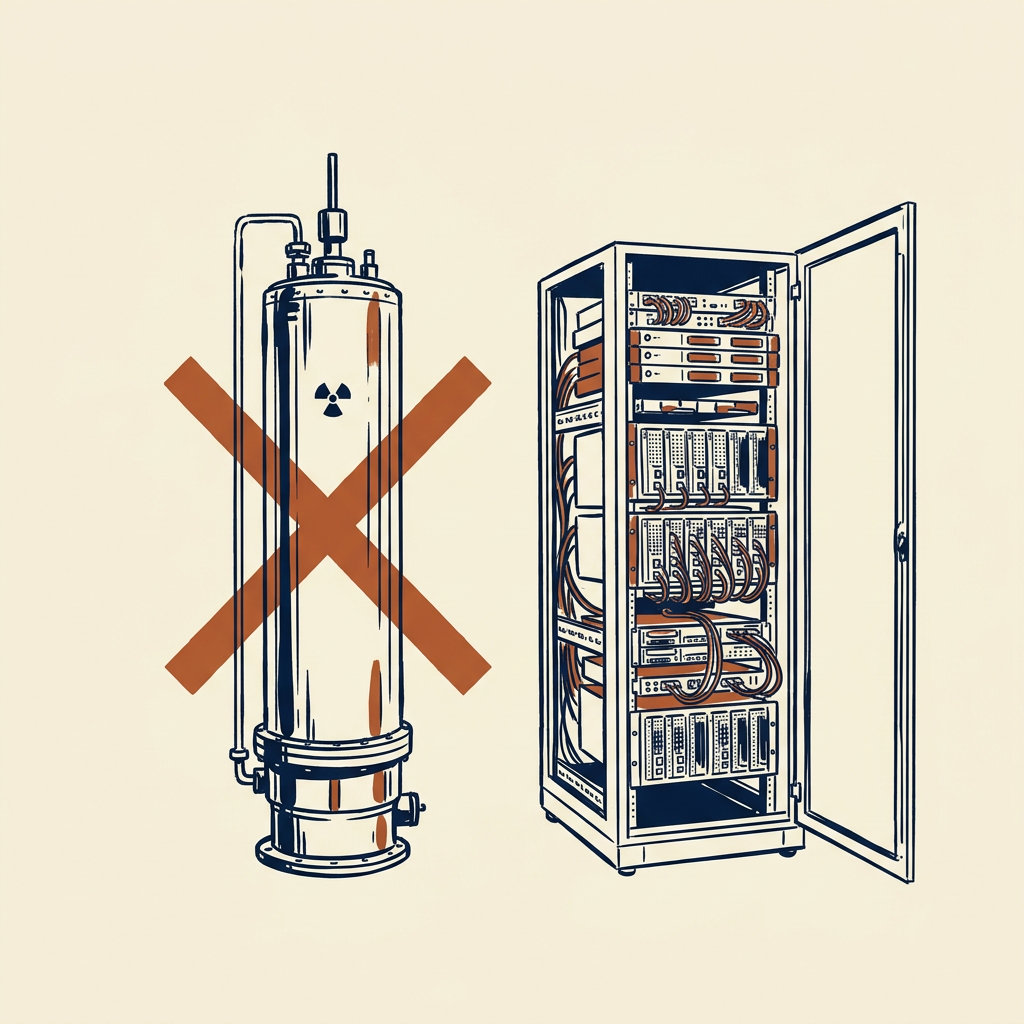
The success of nuclear non-proliferation offers false reassurance because it depended on a physical fissile-material chokepoint that AI and synthetic biology do not have.
Nuclear containment
Rare fissile material, visible industrial plants, IAEA-monitorable centrifuges and enrichment levels
AI and biology
Cheap distributed compute, abundant data, instantly publishable algorithms, open genetic knowledge and benchtop gear
Commentators often cite roughly seventy years without major-power nuclear war as proof humanity can contain even the worst technologies. Suleyman dismantles the analogy. Nuclear weapons needed rare hard-to-make material, huge industrial plants, and specialized expertise concentrated in a few state programs.
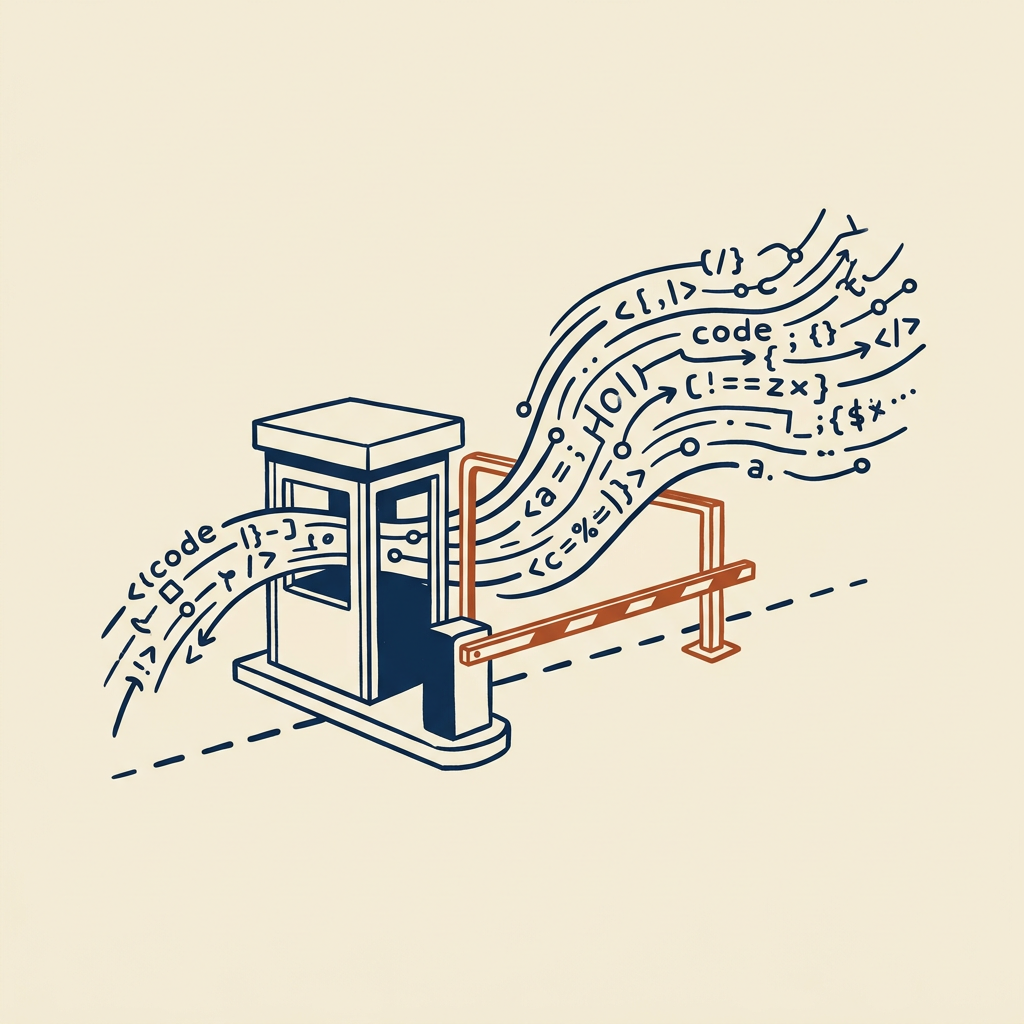
That gave bodies like the International Atomic Energy Agency concrete things to monitor—centrifuges, reactors, enrichment levels—and let export controls on a narrow set of physical inputs work even during Cold War rivalry. AI is built from three inputs that diffuse rapidly and cannot be cordoned the same way: ever-cheaper distributed computing, abundant largely uncontrollable data, and algorithms that spread as pure ideas once published.
Synthetic biology has a still weaker chokepoint: genetic knowledge itself, already open in the literature and reachable with cheap lab gear. Nuclear containment succeeded for reasons specific to nuclear physics that do not transfer.
In practice: The transformer architecture underlying modern language models was published in a 2017 paper and adopted worldwide within a few years, an idea no customs agent could seize.
5
Nation-states under strain
The nation-state—the primary historic container of dangerous technology—is now too slow, too bounded by borders, and too dependent on private companies to perform that role for the wave.
States built authority on monopolizing violence and controlling territory. That worked reasonably for technologies that needed large visible state-scale infrastructure such as reactors or missile programs. The coming wave is developed largely inside private companies that, Suleyman notes from running AI labs, can command compute and talent rivaling many governments.
Legislative cycles measured in years collide with capability that transforms in months. Borders protect little when code and genetic sequences cross instantly and invisibly. A subtler conflict is baked in: governments increasingly rely on the same firms for economic benefit and for the expertise needed even to understand what is being built.
States are not irrelevant, he argues, but they cannot discharge their historic containment function alone or in current form. Any workable response must route around, supplement, or reinvent state capacity rather than wait for it to catch up.
In practice: The European Union’s AI Act, first proposed in 2021, was still being finalized while the underlying technology had already changed multiple generations.
6
The narrow path between failures
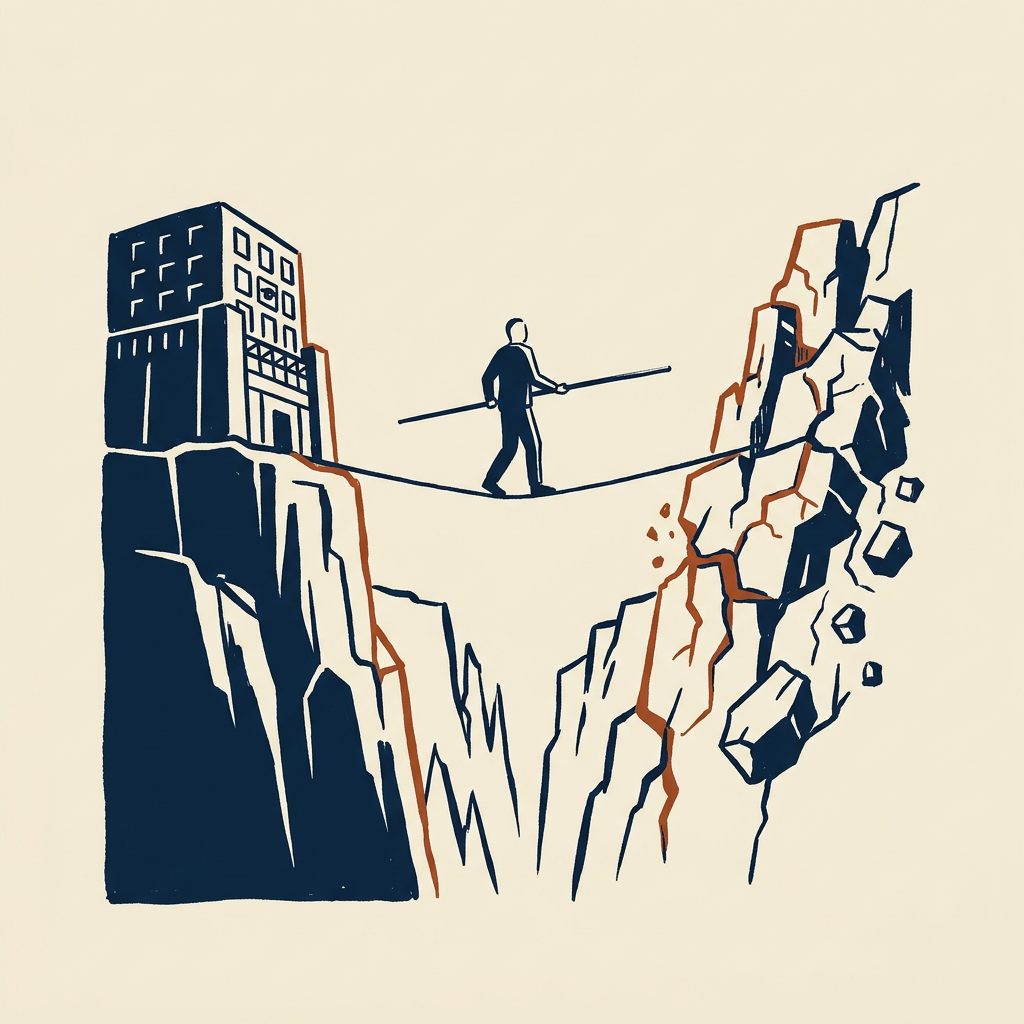
Society is drifting toward authoritarian overreach that locks in total control or catastrophic loss of control that destabilizes states—or both at once—and the acceptable middle is deliberately hard to hold.
Authoritarian overreach
AI surveillance, predictive policing, and biological monitoring entrench hard-to-reverse control
Catastrophic proliferation
Cheap autonomous systems and engineered agents reach actors with little stake in stability
On one side sits concentrated power: governments or corporations using AI-driven surveillance, predictive policing, and biological monitoring to entrench control that is difficult to reverse once the infrastructure exists. On the other sits proliferation without brakes: capable cheap autonomous systems and engineered agents reaching state and non-state actors, including groups with little stake in stability.
Suleyman insists these are not opposite poles where more caution simply slides you away from one toward the other. Both can unfold simultaneously in different regions or sectors. Measures that block one—tight state control over development—can directly feed the other, namely authoritarian misuse.
He calls the livable middle a narrow path to signal it is easy to fall off. The chapter rejects both accelerationist dismissal of risk and pure doom. Both dangers are live and worsening together, which is why later remedies must work on political and technical fronts at once.
In practice: Large-scale facial recognition and social monitoring systems already deployed in several countries illustrate how control infrastructure can harden before anyone can reverse it.
7
Ten levers that might still work
Containment remains possible only through a coordinated bundle of technical safety, corporate self-restraint, licensing, international bodies, and safety culture—yet nearly every lever needs cooperation among actors with strong incentives to defect.
Suleyman offers no silver bullet. On the technical side he wants far more safety research, interpretability tools that reveal why a model produced an output, and built-in pause or shutdown mechanisms sometimes called technical kill switches. On the corporate side he wants internal audits, red-teaming before release, and staged deployment rather than immediate public rollout of the most capable models.
Governance proposals include new international bodies loosely modeled on nuclear and climate cooperation but adapted to software speed, plus licensing for the largest training runs and for gene-synthesis orders above a risk threshold so at least the biggest actors stay visible. He also wants cultural change: a professional norm, like the slow-built safety cultures of nuclear engineering and aviation, that rewards caution instead of treating it as an obstacle.
He only partly acknowledges the structural weakness: almost every lever depends on companies and states locked in financial and geopolitical races, each with reason to cut corners if a rival might arrive first. He presents the bundle as the best available strategy, not a guarantee.
In practice: Licensing regimes would at least make the largest training runs and the riskiest gene-synthesis orders visible to regulators even if smaller actors remain harder to see.

8
The builder’s non-transferable duty
Because governments will keep lagging, the small number of labs actually building frontier systems carry a personal duty to slow down and embed restraint voluntarily rather than wait for external rules.
Suleyman turns the final argument inward on his own industry. Primary responsibility sits with the labs and companies creating frontier capabilities; they alone can choose restraint before a system is released rather than after. Voluntary acts inside those labs—delaying or restricting certain releases pending safety review—are offered as small prototypes of the norm he wants.
He is explicit that self-restraint by a few well-intentioned groups cannot replace binding external rules; less scrupulous competitors will simply move faster and capture both market and risk. Still, the industry cannot wait for lawmaking to catch up given how far behind it already runs.
The book’s deepest tension surfaces here. It is written by someone who built and funded the systems he warns about and who continued building afterward. He frames ongoing participation as necessary engagement from inside rather than contradiction—a framing readers may judge either reasonable or self-serving.
In practice: Decisions inside DeepMind to delay or restrict release of certain capabilities pending safety review are cited as miniature versions of the voluntary restraint he wants industry-wide.
Key terms
- Coming wave Suleyman’s name for AI and synthetic biology converging into one cheaper, more general-purpose, widely accessible technological force
- Containment problem The open crisis of whether any institutions can keep rapidly proliferating autonomous general-purpose tech inside bounds that prevent irreversible harm
- Asymmetry The cost of creating a powerful capability is now far lower than the damage or advantage it can deliver
- Hyper-evolution Iteration and diffusion compressed into months so slower oversight arrives too late
- Omni-use Tools that can be redirected to almost any civilian or military, benign or harmful purpose
- Autonomy Systems that act, learn, and decide without a human in the loop at every step
- Narrow path The difficult middle that avoids both authoritarian lock-in and catastrophic uncontrolled proliferation
- Technical kill switch Built-in mechanism allowing a system to be paused or shut down
What to do
- Install a pre-release review this week that writes down what would have to go wrong for serious harm and who outside your team can veto release.
- Identify one licensing or disclosure rule your organization could apply now to the riskiest 5 percent of projects, such as large training runs or gene-synthesis orders.
- Pick one concrete domain—AI-generated content, biosecurity, or algorithmic decision-making—learn who actually holds power over it where you live, and support that oversight body or journalist.
Questions to think with
- If AI and synthetic biology differ in catastrophic speed and regulatory history, does bundling them as one wave clarify governance or blur it?
- Can voluntary restraint by a few frontier labs ever bind competitors racing for the same capability and market?
- What concrete power replaces the nation-state’s containment role when code and genetic sequences cross borders instantly?
- Does a builder who keeps shipping frontier systems while warning they may be uncontainable earn trust or practice safety-washing?
- Which failure state—authoritarian lock-in or uncontrolled proliferation—is closer to your society right now, and what would push it off the narrow path?
The other side
The sharpest fair criticism is the author’s position: a DeepMind co-founder and Inflection founder who became Microsoft AI CEO in 2024 warning that the technology may be uncontainable, which reviewers have called safety-washing that turns the warning into reputational cover. The ten-lever framework stays broad and aspirational, listing audits, treaties, and culture without enforcement teeth, funding, or answers for simple refusal; compared with more technical alignment work or rigorous existential-risk analysis it reads as a wish list. Lumping AI and synthetic biology as one wave also risks obscuring their different risk profiles and speeds.
Who it's for
Policymakers and regulators watching existing tech-governance tools fail, technologists and founders who need a risk framework for what they are building, and general readers who want a structured argument about AI and biotech rather than hype or doom.