


All 33 Chilean Miners Rescued
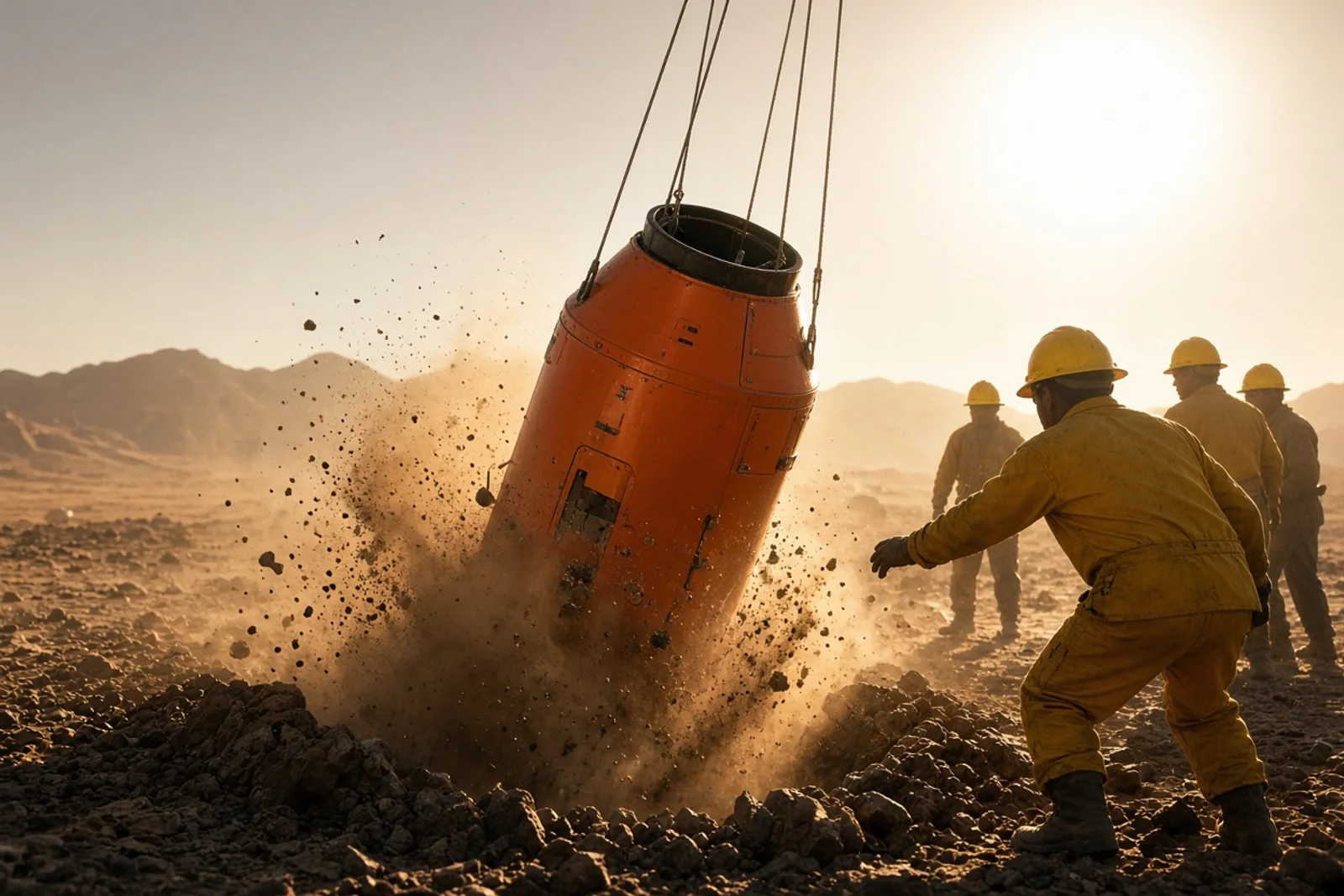
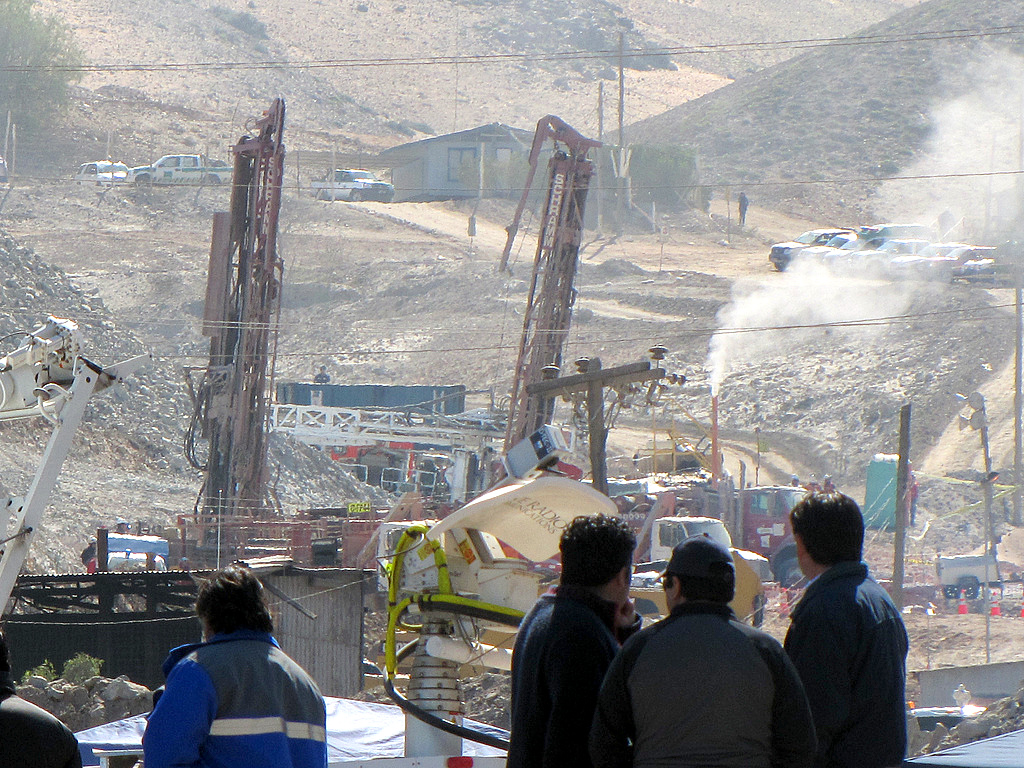
The capsule shuddered once against the rim of the shaft before the winch caught and held. I leaned over the edge with the others, watching the steel line disappear into the dark. The night air above the San José mine carried dust and the low thrum of generators. Someone called for more slack. The line dropped another meter and stopped.
Manuel Gonzalez had gone down first, just after eleven the night before. He was the one who knew the shaft best. We waited on the surface for his report, but the video feed from below showed movement before any message came up. Florencio Avalos climbed into the Phoenix instead. He was the fittest. The capsule sealed. The motor started.
Avalos reached us at ten past midnight. The door opened and he stepped out into the lights. His wife reached him first. Then the president. People began to chant Chile, the sound rolling across the crowd that had gathered since dusk. I checked the time on the board. One down. Thirty-two to go.
The next ascent took longer than planned. We adjusted the brake settings twice. Jimmy Sanchez came up at nineteen, the youngest, blinking hard against the floodlights. A medic walked him straight to the field hospital tent. He kept asking if everyone else was still coming. We told him yes.
Mario Gómez followed not long after. Sixty-three years old, the oldest. He carried a small bundle of letters. One of them had already been read on the surface days earlier, asking the company to change how it worked. He handed the bundle to a doctor and asked for water. His hands shook when he drank.

Jose Ojeda emerged with the note still in his pocket, the one that had told the world they were alive. He showed it to no one. He simply folded it once more and put it away when his family reached him. The camera crews stayed back. For a few minutes the only sound was the winch resetting.
Carlos Mamani, the Bolivian, came next. President Evo Morales waited at the shaft with Piñera. They spoke briefly. Mamani nodded, then walked to the medical tent without looking back at the hole. The line of ambulances had grown to twelve by then.

Mario Sepúlveda brought rocks in a canvas bag. He opened it on the ground and let the stones roll out under the lights. Some of the rescuers picked them up. He laughed once, short and sharp, then sat on the edge of the stretcher until a nurse told him to lie down.
Juan Illanes kept his posture straight when the capsule opened. Former soldier. He had kept the others on a schedule underground, or so the stories said. He saluted no one. He simply stepped clear and waited for the next man to be brought up.
Claudio Yanez paused at the rim and looked back down the shaft. His fiancée had been at the camp for weeks. She met him halfway to the tent. They spoke for less than a minute before the medical team took him inside.
The rhythm settled after that. One or two men an hour. Esteban Rojas prayed on his knees for a full minute after the door opened. Jorge Galleguillos gave a thumbs-up to the crowd before the stretcher reached him. Each time the capsule returned empty, we checked the cable, the motor temperature, the brake pads. No one left the winch station.
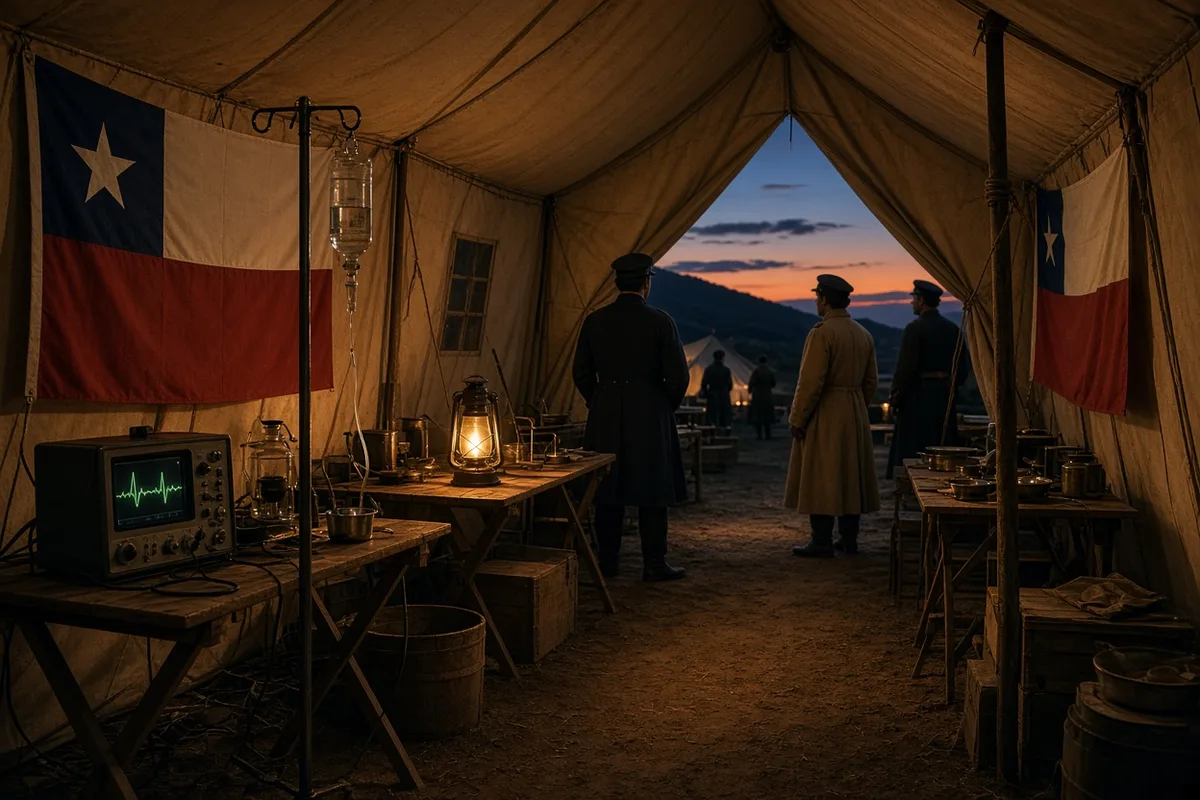
By midday the field hospital had filled two tents. The doctors reported severe dental infections in nearly all of them and eye trouble in several. One case of pneumonia. The health minister said their condition was better than expected. We kept working the line.
Luis Urzua stayed below until the end. Shift foreman. The one who had held them together for the first seventeen days. When the capsule finally rose with him inside, the crowd had grown quiet. The motor ran steady. At the surface the door opened and he stepped out. Piñera embraced him. Urzua spoke to the president about the seventy days and the families. Then he thanked the rescuers still below.
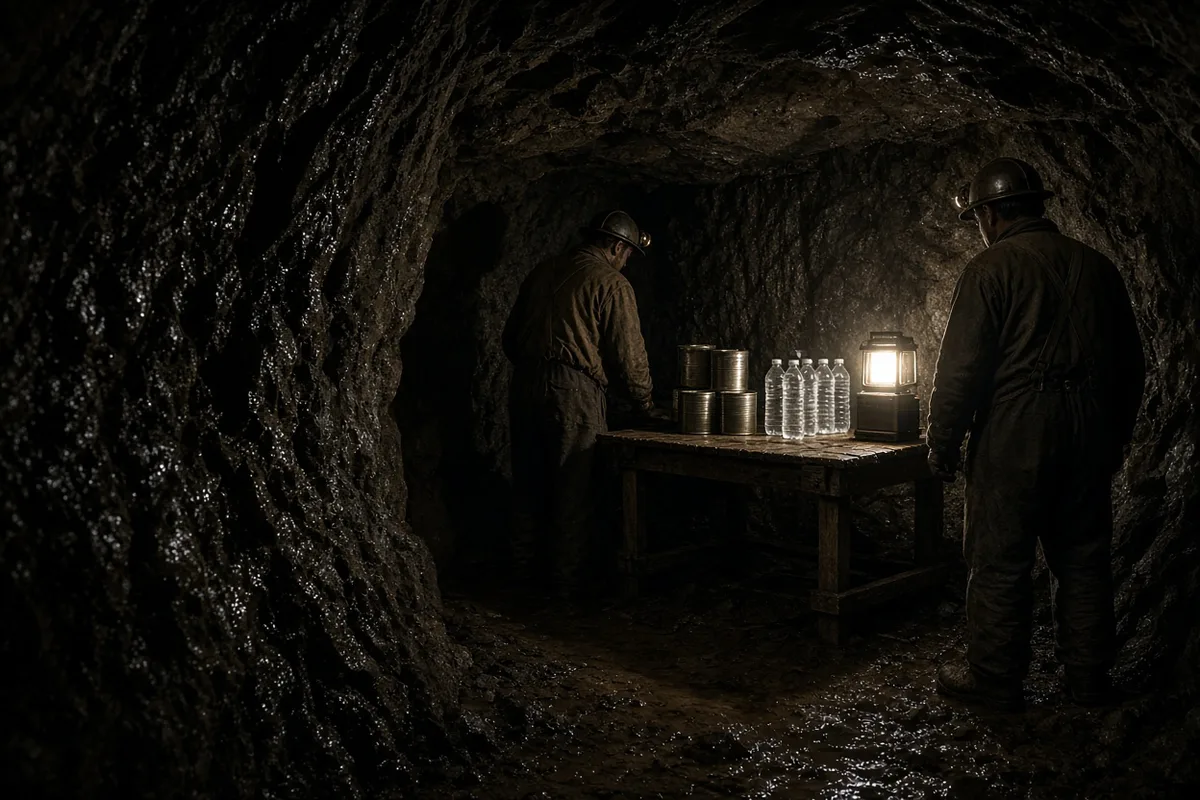
The six men who had gone down to assist raised a banner in the refuge. Mission completed. They came up one by one after Urzua. The last of them reached the surface near midnight. The shaft stood empty. The winch motor cooled in the night air.
The ambulances left in a line toward Copiapó. The tents came down over the next two days. The shaft itself remained open for weeks while engineers checked the rock. No one went back down.
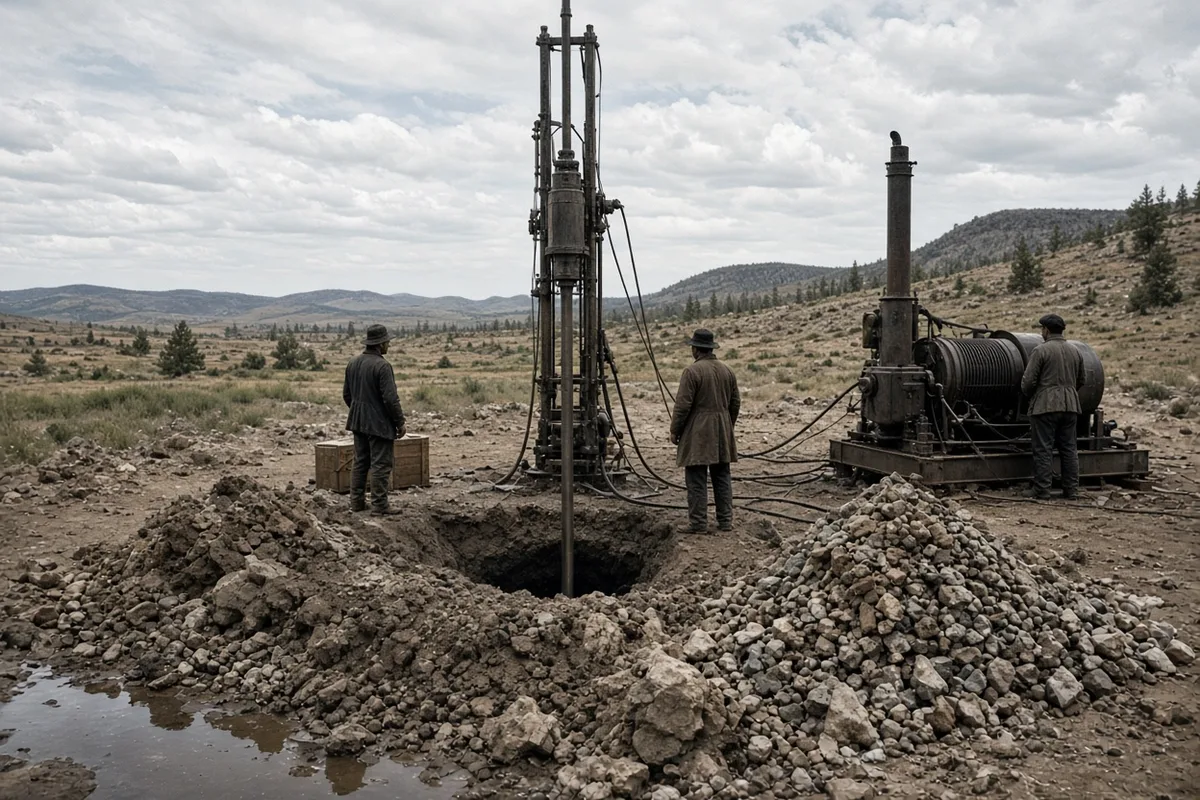
Three days later the health ministry released the first full medical report from the field hospital in Copiapó. Dr. Rodrigo Guerrero listed the exact conditions treated: advanced periodontal disease in twenty-nine of the thirty-three men, bilateral conjunctivitis in eleven, and one confirmed case of lobar pneumonia in shift foreman Luis Urzúa. The men had each lost between eight and fourteen kilograms underground. Urzúa weighed fifty-eight kilograms on arrival. The ministry arranged immediate transfers by military helicopter to the Clinica Santa Maria in Santiago for the four most serious cases. Mario Gómez, sixty-three, received a triple antibiotic regimen and two root canals on October 18. The remaining men stayed in Copiapó for observation until October 20, when the last ambulance convoy left for the capital. Family members rode in separate vehicles behind the police escort. Local radio station Radio Caramelo broadcast the convoy’s progress every fifteen minutes.
In November 2010 the government opened a compensation fund administered by the state copper company Codelco. Each miner received an initial payment of 2.8 million pesos, roughly six thousand U.S. dollars at the time, drawn from public donations and the national mining royalty. The San Esteban Primera mining company, owner of the San José site, declared bankruptcy on December 7. Its two owners, Alejandro Bohn and Marcelo Kemeny, faced criminal charges for negligence. Court documents filed in the Copiapó tribunal listed 183 separate safety violations recorded between 2004 and 2010. The trial began in March 2011. Shift boss Carlos Pinilla testified that management had ignored repeated written warnings about the 2007 rockfall that had already killed a worker named Gino Cortés. Pinilla read aloud an internal memo dated 12 June 2008 that stated, “The main ramp shows progressive failure; reinforcement postponed until cash flow improves.”
By early 2011 several miners had begun to speak publicly about their time below. José Henríquez, the group’s designated pastor, gave his first interview on 3 February to the newspaper La Tercera. He described the daily prayer meetings held at 6 a.m. in the refuge chamber and the moment the men voted to ration the remaining food to one spoonful of tuna per person every forty-eight hours. Edison Peña, thirty-four, left Chile on 3 April 2011 to run the New York City Marathon. He finished in five hours and forty-one minutes wearing the number 33 on his bib. He told reporters at the finish line that he had trained by running laps inside the 540-meter tunnel between the refuge and the collapsed ramp. Mario Sepúlveda signed a contract with a Santiago booking agency on 12 May and began a schedule of paid motivational talks at corporate events, charging 1.2 million pesos per appearance.
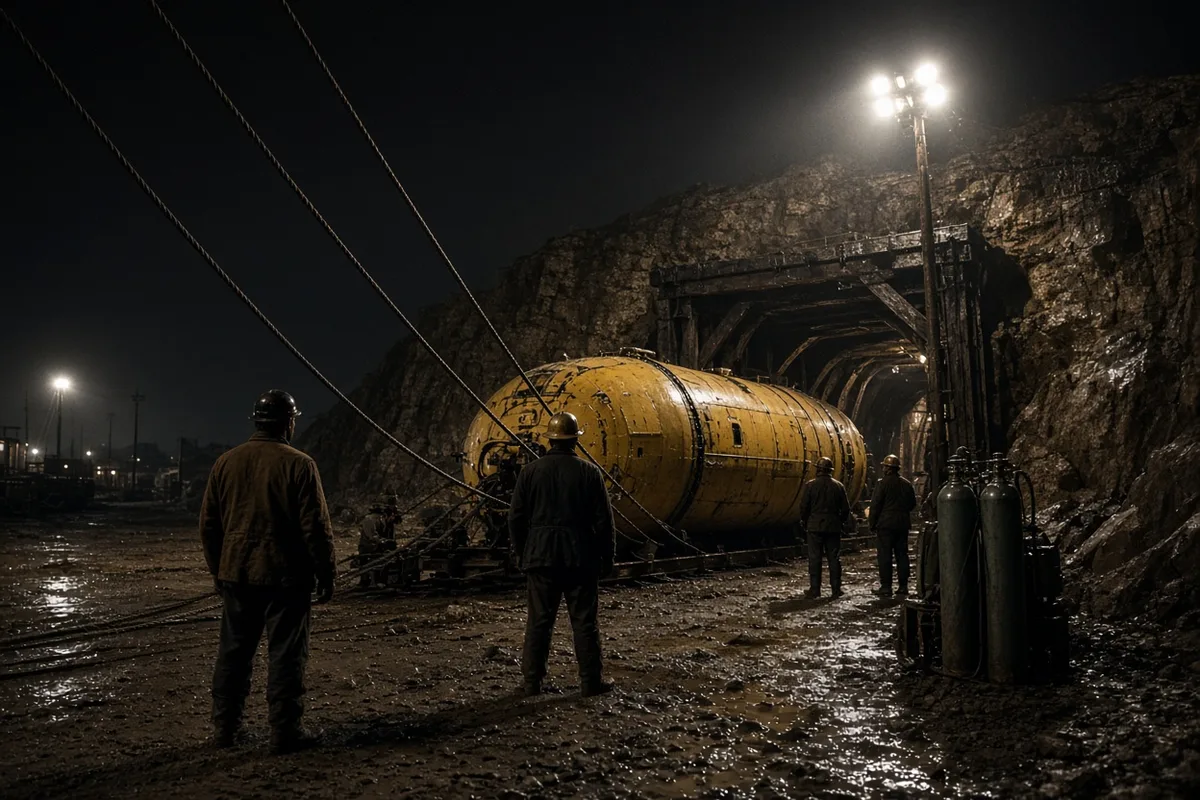
The shaft remained under engineering surveillance until 17 June 2011. On that date the national geology service Sernageomin ordered it sealed with 1,800 cubic meters of concrete poured through a new 15-centimeter borehole drilled 120 meters northeast of the original collar. The operation took nine days. A brass plaque measuring forty by sixty centimeters was bolted to the concrete cap on 25 June. The plaque carried the names of all thirty-three men and the single line, “Rescatados 13 de octubre 2010.” No further access has been permitted. The surface camp structures were dismantled by the army’s 4th Engineers Regiment between 28 June and 4 July; the last tent stake was removed on the morning of 5 July.
Psychological follow-up continued under the Ministry of Health’s Programa de Salud Mental Post Rescate. Between 2011 and 2014 the thirty-three men logged 2,147 individual therapy sessions. Twelve received diagnoses of post-traumatic stress disorder. Víctor Zamora attempted suicide on 9 September 2012 and was hospitalized for twelve days at the Instituto Psiquiátrico Dr. José Horwitz Barak. Juan Illanes, the former soldier, declined all counseling and instead enrolled in a private security course in Antofagasta; he began work as a shift supervisor at the Escondida mine in March 2013. Claudio Yáñez married his fiancée on 14 February 2014 in a civil ceremony at the municipal registry in Copiapó. The couple’s first child, a daughter named Esperanza, was born on 11 November 2015.
The Phoenix 2 capsule itself was transported to Santiago on 19 October 2010 and placed on permanent display inside the Museo Histórico Nacional. Its interior still contains the original oxygen mask, the handwritten note from José Ojeda, and the small Chilean flag that Florencio Avalos carried on his ascent. The capsule’s winch motor, serial number 47892, was donated to the Escuela de Minas at the Universidad de Atacama, where engineering students use it for brake-system demonstrations. In 2016 the museum added an audio station that plays the original surface-to-refuge radio transmissions recorded on 22 August 2010, including Urzúa’s first message: “We are all well inside the shelter, the thirty-three.”
On 13 October 2020, ten years after the rescue, twenty-seven of the survivors gathered at the sealed shaft for the first time since the ambulances had departed. They stood in a single line facing the concrete cap while a military honor guard raised the national flag. Luis Urzúa placed a new plaque, smaller than the first, that listed the names of the six men who had died since the rescue: three from medical complications, two from accidents unrelated to mining, and one from suicide. After the ceremony the group walked the 1.2-kilometer access road back to the highway without speaking. Urzúa remained at the cap for an additional four minutes, alone, before turning and following the others toward the waiting buses.
In January 2021 the surviving miners formed the Fundación 33 to manage royalties from a documentary series sold to National Geographic. The board recorded its first meeting on 22 January at the Hotel Diego de Almagro in Copiapó, where treasurer Carlos Barrios noted that annual licensing fees had reached 47 million pesos. Barrios read aloud a clause from the contract granting the foundation 12 percent of streaming revenue after the first 500,000 views. By March the foundation had opened a small office above the municipal library on Calle O’Higgins, installing a single filing cabinet that held copies of every medical record from the 2010 field hospital.
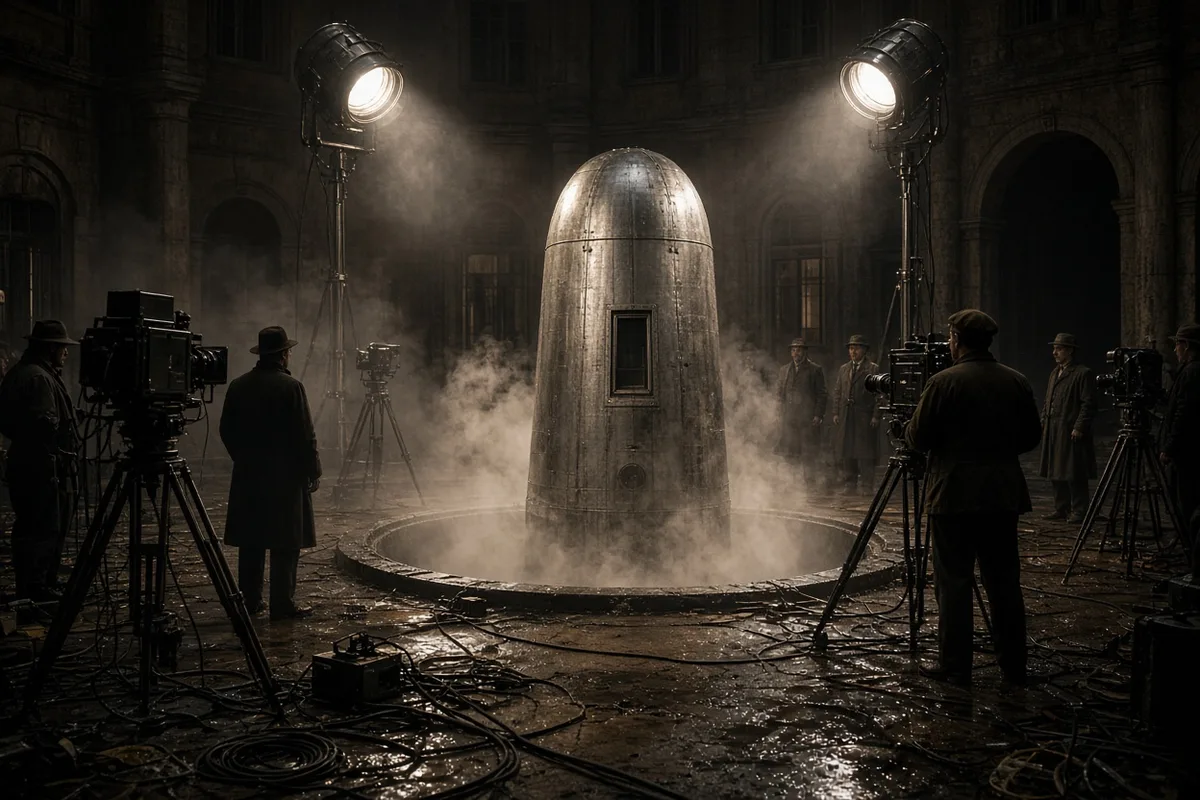
Edison Peña returned to the Atacama region in June 2022 to lead a guided tour of the old camp perimeter for a group of mining engineering students from the Universidad Católica del Norte. He stopped at the concrete cap and read the coordinates etched on its edge—27°09′30″S 70°04′12″W—then described the exact length of the 540-meter tunnel he had run inside the mine. Peña told the students that the daily ration of one biscuit and a sip of milk lasted until 25 August 2010, the day the first drill probe reached them. One student asked about the note José Ojeda had written; Peña answered that the paper measured 8 by 11 centimeters and carried the words “Estamos bien en el refugio los 33.”
On 13 October 2023 the remaining twenty-six men attended a private viewing of the restored Phoenix 2 capsule inside the Museo Histórico Nacional. Curator María Elena González had replaced the original oxygen mask with a replica after the fabric deteriorated, but kept the handwritten note and the flag Florencio Avalos carried. The group stood in front of the capsule for twenty-two minutes while a conservator read the accession number 2010-4789 from the brass plate. Afterward they signed a guest book; the final signature on the page belonged to Luis Urzúa, who wrote only the date and the word “presente.”
Víctor Segovia, who had operated the refuge’s single battery-powered radio, published a 48-page technical memoir in 2024 through the Universidad de Atacama press. The book contained the exact frequencies used for the 22 August contact and a diagram of the improvised antenna made from copper wire scavenged from the drill rig. Segovia listed the call signs of the surface operators and noted that the first clear reply came at 11:57 a.m. local time. Proceeds from the 300-copy print run went to the foundation’s dental clinic fund in Copiapó, which had treated 19 of the survivors for follow-up periodontal work between 2015 and 2023.
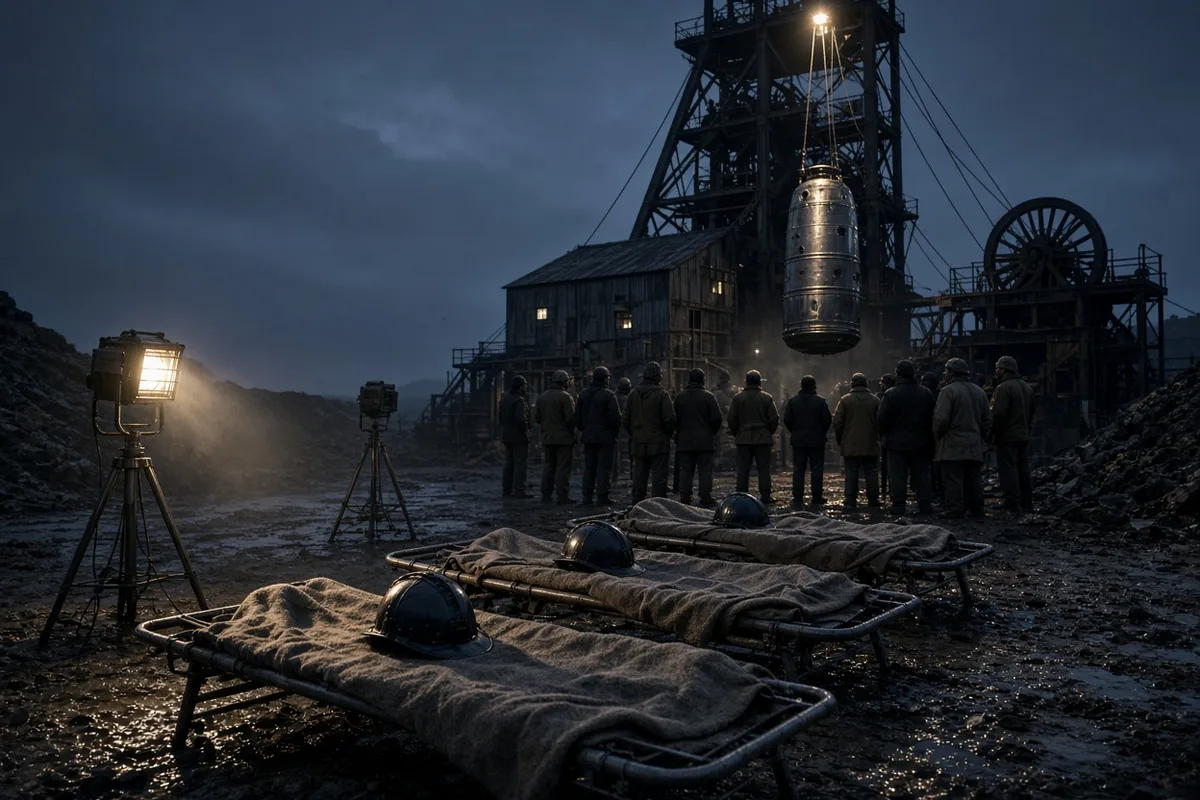
The sealed shaft site received its annual inspection on 4 April 2024 by two engineers from Sernageomin. They measured subsidence at 3.2 centimeters along the northeastern edge of the concrete cap and recorded a stable temperature of 18.4 °C inside the 15-centimeter monitoring borehole. Their report, filed under number 2024-0417, recommended no additional reinforcement. A single solar-powered camera mounted on a 4-meter pole transmits one still image every six hours to the regional office in Copiapó; the most recent frame, timestamped 06:00 on 12 May 2024, shows only the plaque and the surrounding gravel.
Juan Illanes, now 72, drives a company truck at the Escondida mine on a rotating schedule of seven days on and seven days off. On 9 June 2024 he completed his 4,112th shift since returning to work in 2013. During a routine safety briefing that morning he told the crew the exact number of roof bolts he had installed underground in the decade after the rescue: 2,847. He keeps a laminated copy of the 2010 plaque text in the glove compartment of the truck and checks the date each time he starts the engine.
Florencio Avalos visited the concrete cap alone on the morning of 15 July 2024. He arrived at 05:47, walked the final 80 meters on foot, and stood facing the brass plaque for nine minutes. He removed a small stone from his jacket pocket, placed it at the base of the cap, then returned to his vehicle without speaking to the single security guard on duty. The guard’s log records only the time of arrival and departure; Avalos has not returned since.