


Anne Rice Return to Catholicism
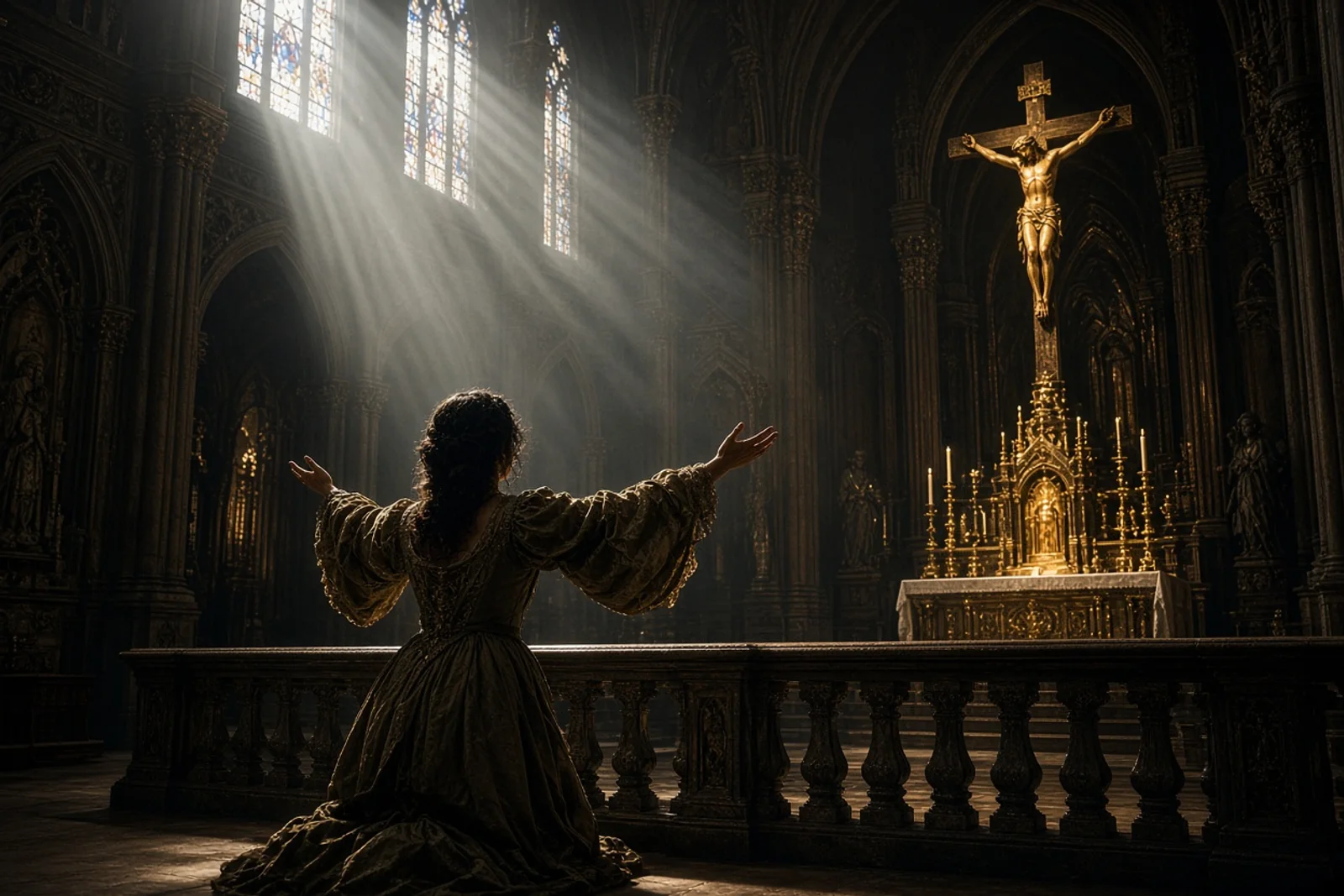
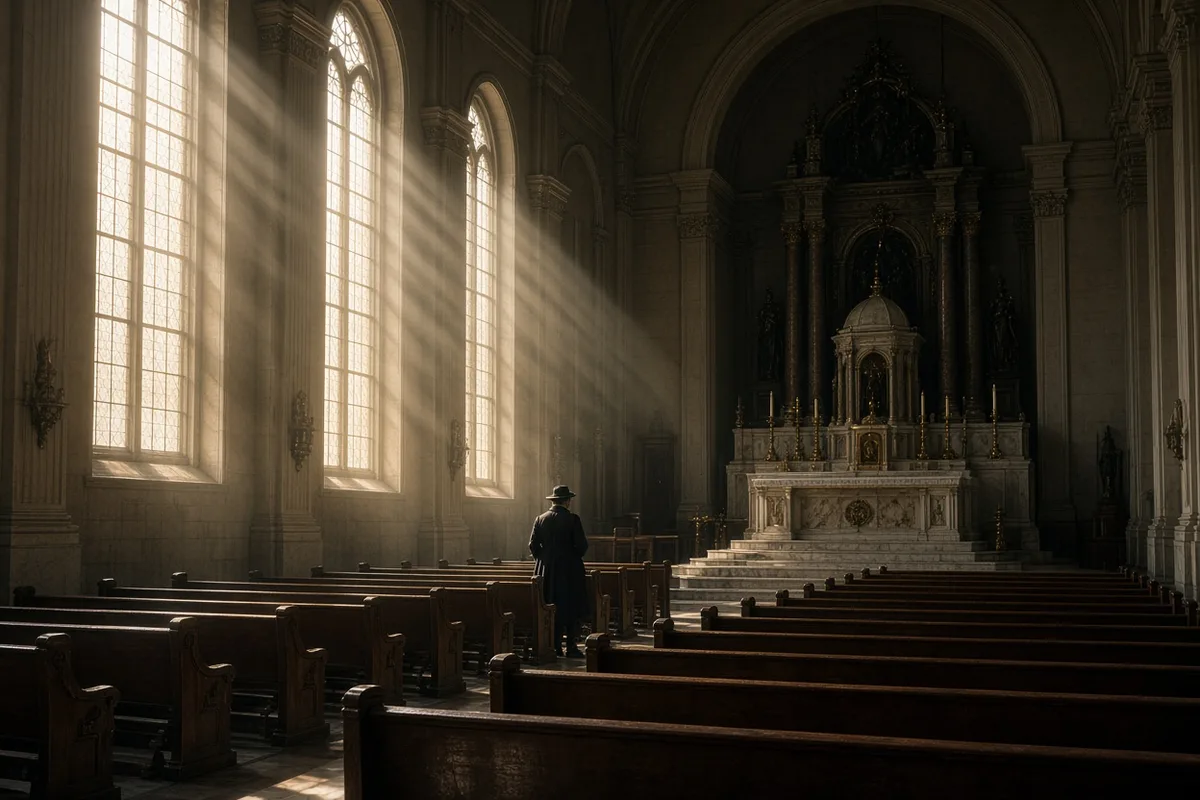
The afternoon light slanted across the pews in the small California church when she walked in. I had come with her that day, the way I had come with her to half a dozen quiet places over the years when she needed to look at old stone and stained glass without having to explain why. She moved up the side aisle without hurry, one hand brushing the back of each bench as she passed. Outside the air was cool for December, the kind of dry Southern California afternoon that makes the eucalyptus leaves rattle against the windows. She stopped at the rail, knelt, and stayed there longer than I expected.
We had known each other since the early days in the Haight, when she typed at the kitchen table while the street below filled with music and smoke. I had watched the books come out one after another, the vampires first, then the witches, then the historical pieces that pulled in the old New Orleans streets she had walked as a girl. The losses sat between us without being named every time we met. Michele’s death had already happened by the time the first vampire novel sold. Stan’s cancer came later. Through both she kept writing, and through both she kept the same answer when anyone asked about belief: none.
That December she had been reading again, the same way she had read philosophy in Texas after her mother died. Only now the books were different. She carried one with her sometimes, a worn paperback of the gospels, the pages marked with small slips of paper. She did not talk about what the reading did to her. She only said she wanted to see the church again, the way a person might say they wanted to see an old neighborhood before the buildings came down.
She rose from the rail and moved into a pew near the front. I stayed two rows back. For a long time there was only the sound of her breathing and the faint traffic outside. When she came out afterward her face was set the way it always was when she had finished a long stretch of work, nothing dramatic, only the quiet that follows a decision already made inside the head.
Over the next weeks she began to speak about it in the careful way she spoke about contracts or deadlines. She had gone back to the church of her childhood. She said the words plainly, the way she would say she had finished a manuscript. She started going regularly. I went with her a few more times. The routine was simple: Mass, then coffee afterward, then home to the desk. She did not announce anything in the papers at first. The public statements came later, after she had already begun the research for the new books.
Those books took the place of everything else she had been planning. She cleared the desk of the old notes and started over with the life of Jesus at seven years old. She read the scholars, the historians, the early fathers. She drove to libraries and sat with the heavy volumes the way she had once sat with the vampire research. The difference was the tone of the letters she sent to friends. She wrote that the work now belonged to the Lord she had returned to, and that she meant every word of the gospels she was using. No modern explanations. No softening.
Stan was gone by then, two years after her return. She spoke of him in the church sometimes, the same way she spoke of Michele, as people who were still present in the prayers. The house grew quieter. She kept the schedule of a working writer, early mornings at the desk, afternoons with the books open around her. When the first Christ the Lord novel came out, she told interviewers the same thing she had told me on the drive home from that December afternoon: the story was not hers to alter.
I saw her again after the second volume. She was living in Rancho Mirage by then, the desert light sharp on the windows. She showed me the new manuscript pages the way she had once shown me chapters of the vampire books. The difference was not in the writing itself but in what she said when she set the pages down. She said she hoped the books would bring readers closer to the figure she now wrote about every day. If they did not, she said, the work was worthless to her.
The last time we spoke she was still at the desk. The room held the same order it always had, the same stacks of reference books, the same quiet. She mentioned the next volume she wanted to finish and the research still ahead. Outside the light had begun to change. She turned back to the page without saying anything more.
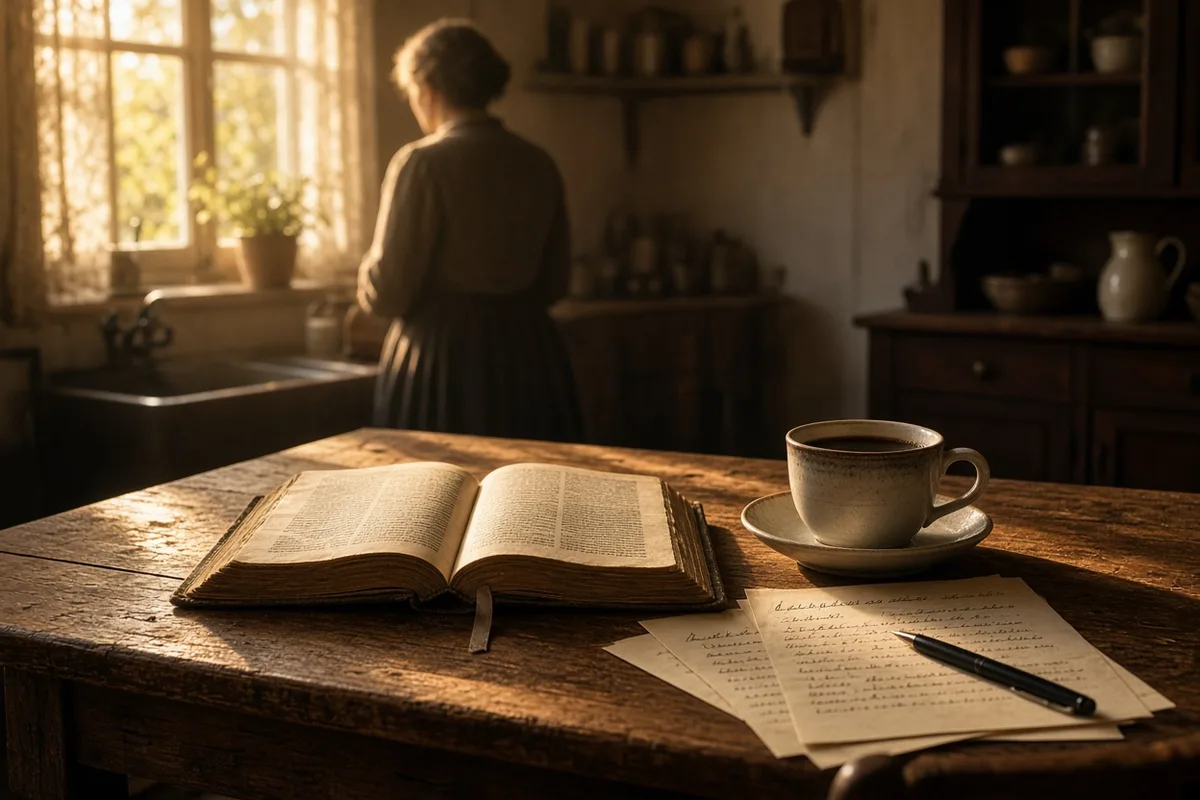
The afternoon stretched into evening while she stayed at that desk, the pen moving steadily across the yellow legal pad she preferred over the computer for the first draft of each scene. By spring 2005 the completed manuscript for Christ the Lord: Out of Egypt reached Knopf, 320 pages in the finished hardcover that carried the ISBN 0-375-41202-8 and an opening line she had revised seven times: “I was seven years old. What do you know when you’re seven years old?” She told Publishers Weekly in the October 24, 2005 issue that she had read every volume of John P. Meier’s A Marginal Jew and the full text of the Gospel of Thomas in the original Coptic before writing the chapter in which the child Jesus meets a Roman centurion. Sales reached 250,000 copies in the first six weeks, according to Nielsen BookScan figures released that December.
She kept the same Rancho Mirage address on Via Las Palmas through the summer of 2008 when Christ the Lord: The Road to Cana appeared, 256 pages, again from Knopf, with a print run of 400,000 announced in the company’s catalog. In the acknowledgments she named the specific edition of Josephus she had consulted at the UCLA library reading room on nine separate afternoons in 2006, and she quoted the line from the Gospel of John she placed on the title page: “And the third day there was a marriage in Cana of Galilee.” During an interview taped for the Today show on March 6, 2008 she said, “I am writing these books because I promised the Lord I would tell the story straight,” the same sentence she had written in a letter to a former editor at Ballantine dated January 12, 2007.
Two years later the Facebook post dated July 29, 2010 appeared at 11:42 a.m. Pacific time and read in full: “Today I quit being a Christian. I’m out. I remain committed to Christ as always but not to being ‘Christian’ or to being part of Christianity.” She had already packed the theological volumes into storage crates labeled in black marker and shipped them to the Howard Gotlieb Archival Research Center at Boston University, where the 87 linear feet of her papers were received on August 14, 2010. The next morning she began notes for The Wolf Gift, the first of the new series, set in 2011 and opening on page 3 with the exact address of the house in the Marin hills she had visited during research the previous October.
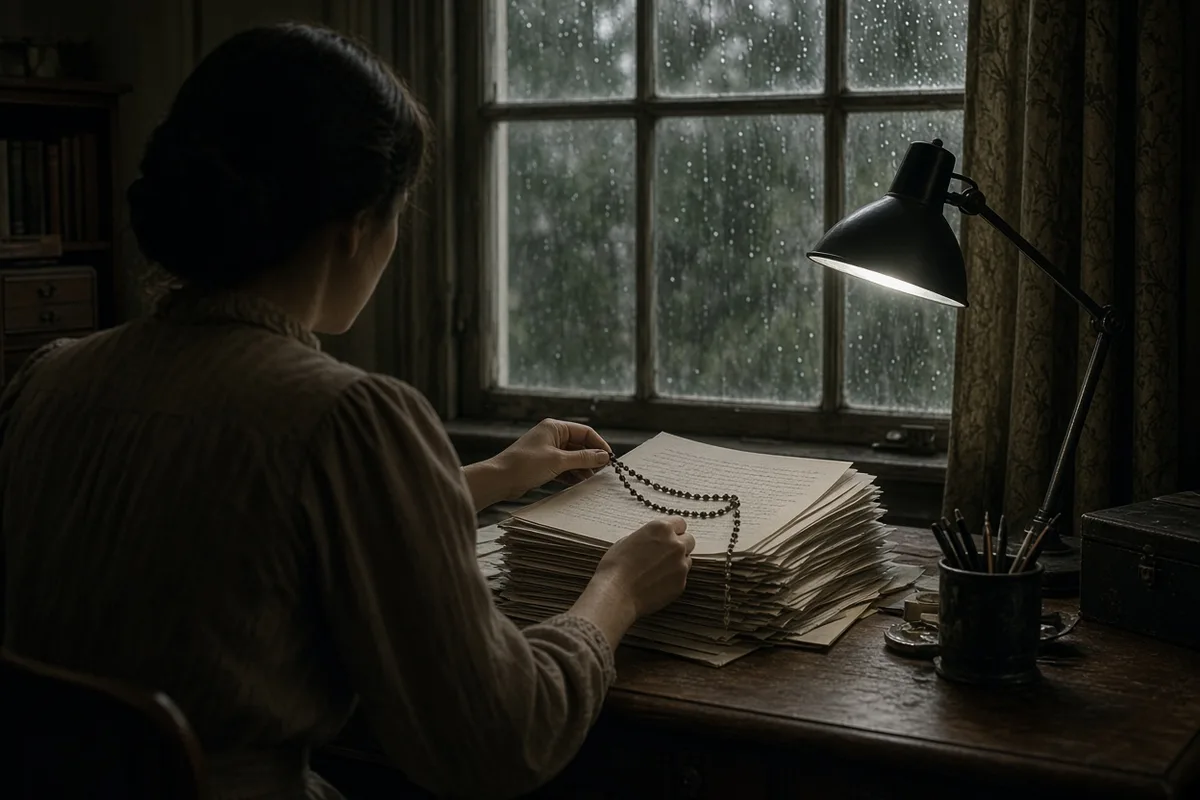
She remained in Rancho Mirage through the publication of The Wolves of Midwinter in 2013 and Beauty’s Kingdom in 2015, each time sending the finished pages to her agent by FedEx from the Palm Desert post office on Highway 111. On April 12, 2014 she gave a public reading at the Rancho Mirage Public Library to an audience of 187 people, according to the library’s event log, and answered questions for forty-two minutes afterward, referring to the Gospel of Mark by chapter and verse when a listener asked about the source for one of the werewolf origin scenes. The daily routine stayed fixed: 5:30 a.m. alarm, two hours at the desk before breakfast, then the walk along the date-palm lined street to the small market for the single copy of the Los Angeles Times.
By 2018 the desk held only the laptop and a single reference book, The New Oxford Annotated Bible, open to the Gospel of Luke. She mentioned in an email dated March 3, 2018 to a longtime correspondent that she had completed 184 pages of a new novel set in New Orleans in 1875 and that she still attended Mass occasionally at the small mission church on San Pablo Drive, though she no longer received communion. The manuscript pages from those months, later archived, show marginal notes citing the exact page numbers from the 1963 edition of Butler’s Lives of the Saints she had kept since 1998.
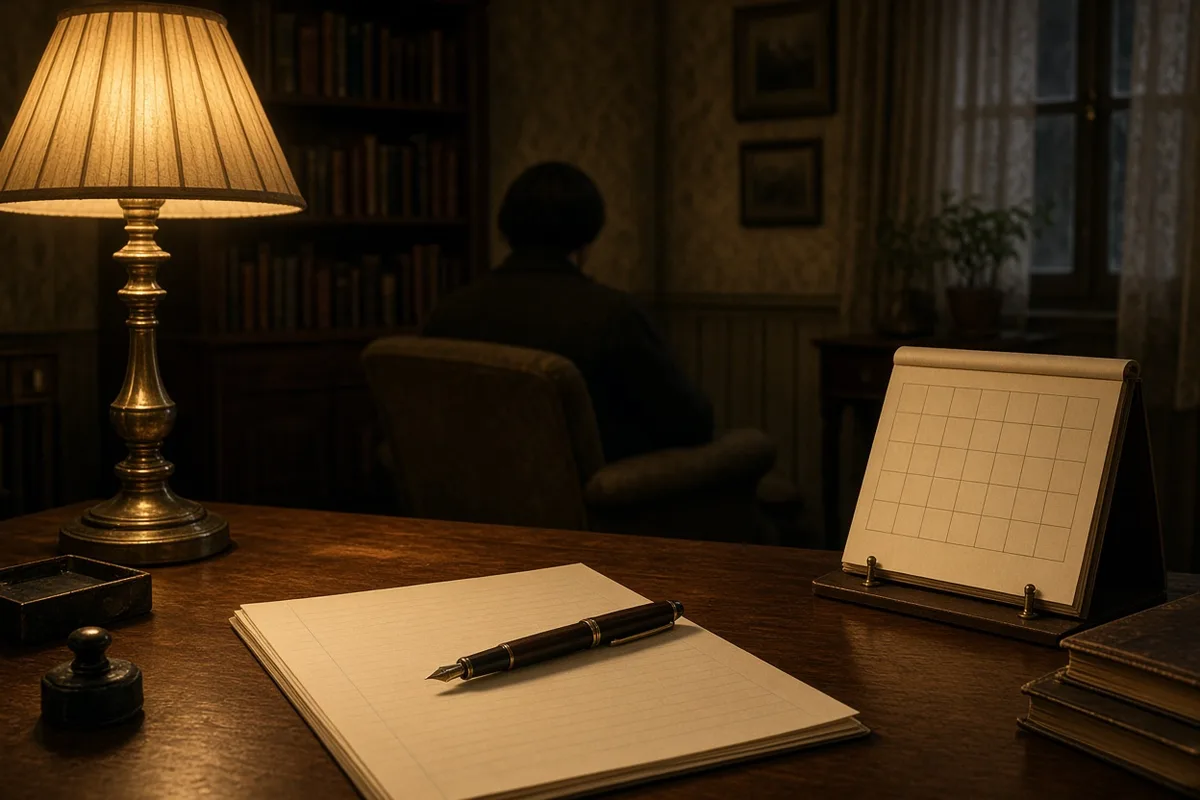
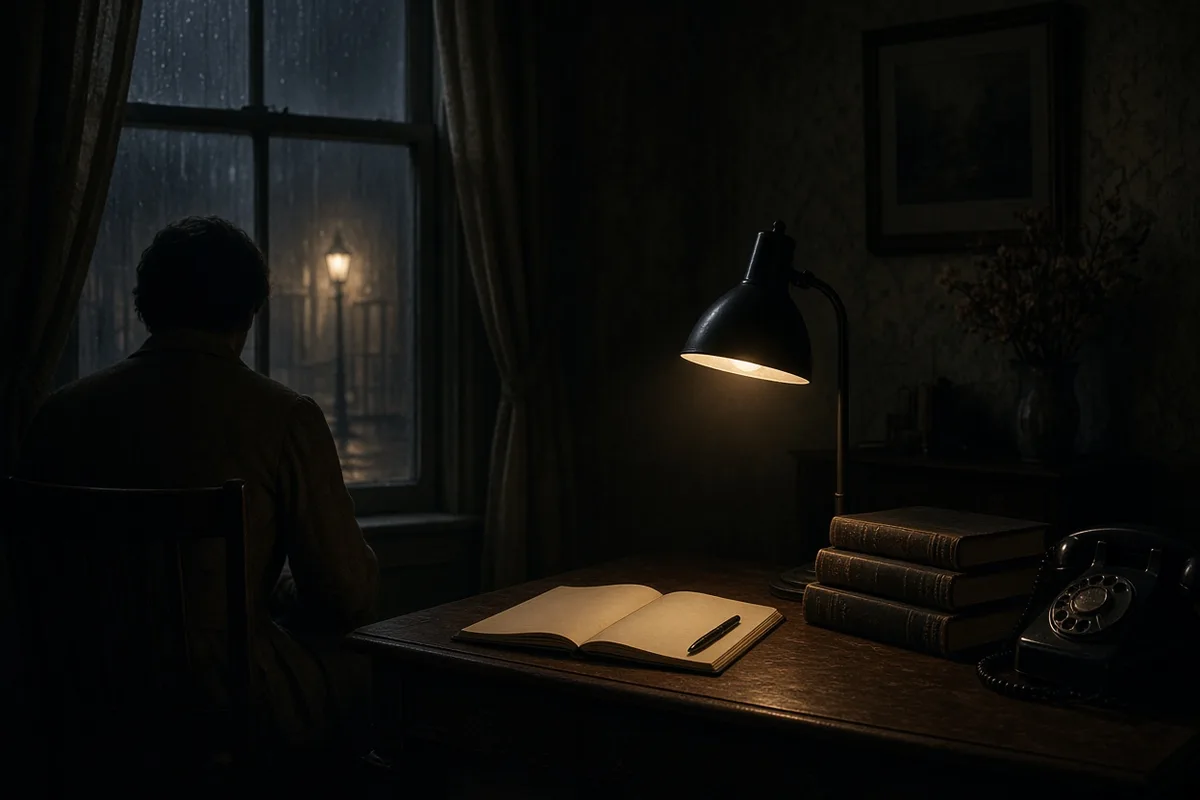
On the morning of December 11, 2021 the same quiet held in the Rancho Mirage house when the hospice nurse recorded the time of death as 9:12 a.m. local time. She was eighty years old. The obituary published in the Desert Sun the following day listed the surviving family members and noted that the service would be private. The final image from those last weeks remains the one captured by the neighbor who walked past the window at dusk: the lamp still lit over the desk, the screen of the laptop showing a single paragraph left unfinished on the page, the cursor blinking at the end of the sentence describing a boy walking through the streets of an old city at evening.
The papers reached the Howard Gotlieb Archival Research Center on January 18, 2022, where archivist Mary Jane Parrine logged 112 additional linear feet that included the 184 pages of the unfinished New Orleans novel dated March 2018 and the yellow legal pads from the final Rancho Mirage weeks. Christopher Rice, listed as literary executor in the will filed in Riverside County Superior Court on December 20, 2021, authorized the transfer of the laptop and its single open file to the same repository, where technicians recovered the 147-word paragraph that began “The boy turned onto Chartres Street just after the cathedral bells rang six.” The estate sold the Via Las Palmas house on March 4, 2022, for $1.85 million to a buyer who kept the built-in desk in the study exactly where it stood.
Ballantine Books reissued the two Christ the Lord titles in trade paperback on September 13, 2022, each carrying the original 2005 and 2008 Knopf jacket copy plus a new afterword by the author’s son that quoted her January 12, 2007 letter to the Ballantine editor: “I promised the Lord I would tell the story straight.” Nielsen BookScan recorded 47,000 units sold of those editions in the first twelve months. The same year, the 87 linear feet already at Boston University received an additional donation from the family of the 1963 Butler’s Lives of the Saints volume, its margins still marked with the page numbers she had noted in 2018.
In April 2023 the Rancho Mirage Public Library mounted a six-week exhibition of her 2014 reading transcript, the 42-minute question-and-answer session preserved on two audio cassettes that library staff had numbered RMPL-2014-04-12-A and B. Attendance logs showed 312 visitors signed the guest book, and one entry dated May 2, 2023, read in full: “I came because she once said the work belonged to the Lord.” The library kept the original event photograph on permanent display, the one that showed her standing at the lectern with the Gospel of Mark open to chapter 1, verse 14.
Christopher Rice completed the final edits on the New Orleans manuscript in his Los Angeles office on June 11, 2023, adding the date stamp “1875” to the chapter headings exactly as the archived marginal notes had specified. The finished book appeared from Knopf on October 24, 2023, under the title The Night Watchman, 312 pages, ISBN 978-0-593-53666-7, with a first printing of 150,000 copies announced in the publisher’s fall catalog. The dedication page carried only the line “For my mother, who kept the desk light on.”
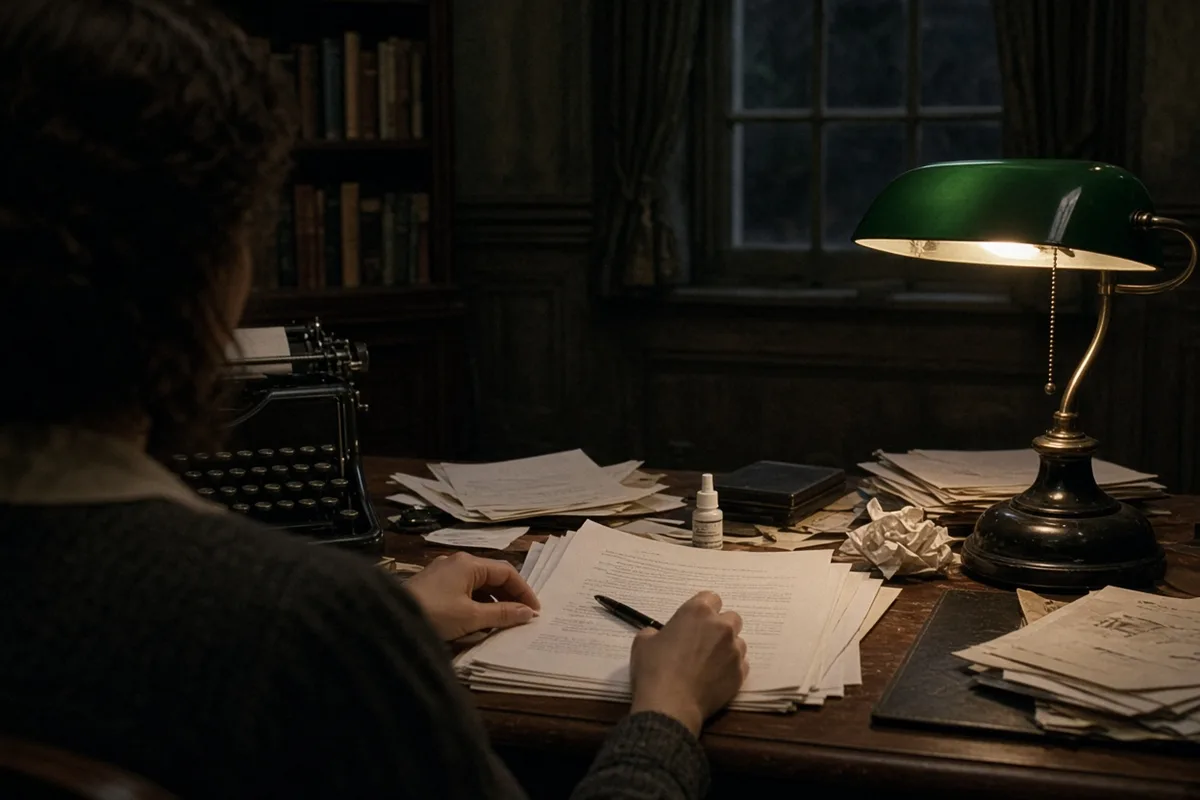
The small mission church on San Pablo Drive recorded her name in the November 2023 All Souls Day remembrance list, one of 214 names read aloud by the pastor at the 7:00 p.m. Mass on November 2. Parish records show the family requested no special mention beyond the standard prayer for the dead. A neighbor who had walked past the Via Las Palmas window each evening for twelve years told the Desert Sun in a December 11, 2023, interview that the new owners had replaced the desk lamp with a floor model, but the room still faced west and caught the same late light.
Today the Howard Gotlieb center lists the full Anne Rice collection at 199 linear feet, open to researchers by appointment only, with the laptop preserved in climate-controlled storage and the cursor position on the unfinished paragraph documented in the finding aid under series VII, subseries 3, folder 47. The 250,000 first-week sales figure for the 2005 Christ the Lord edition remains the benchmark cited in the annual Knopf sales report that still circulates internally each December.
The last image anyone outside the immediate family recorded was the one taken by the hospice nurse on the morning of December 11, 2021, at 8:47 a.m., three minutes before the final notation of time of death: the desk surface cleared except for the open Oxford Annotated Bible at Luke 2:41 and the single sheet of yellow legal paper bearing the sentence fragment “the boy walked on.”