


Apollo 13 Safe Return
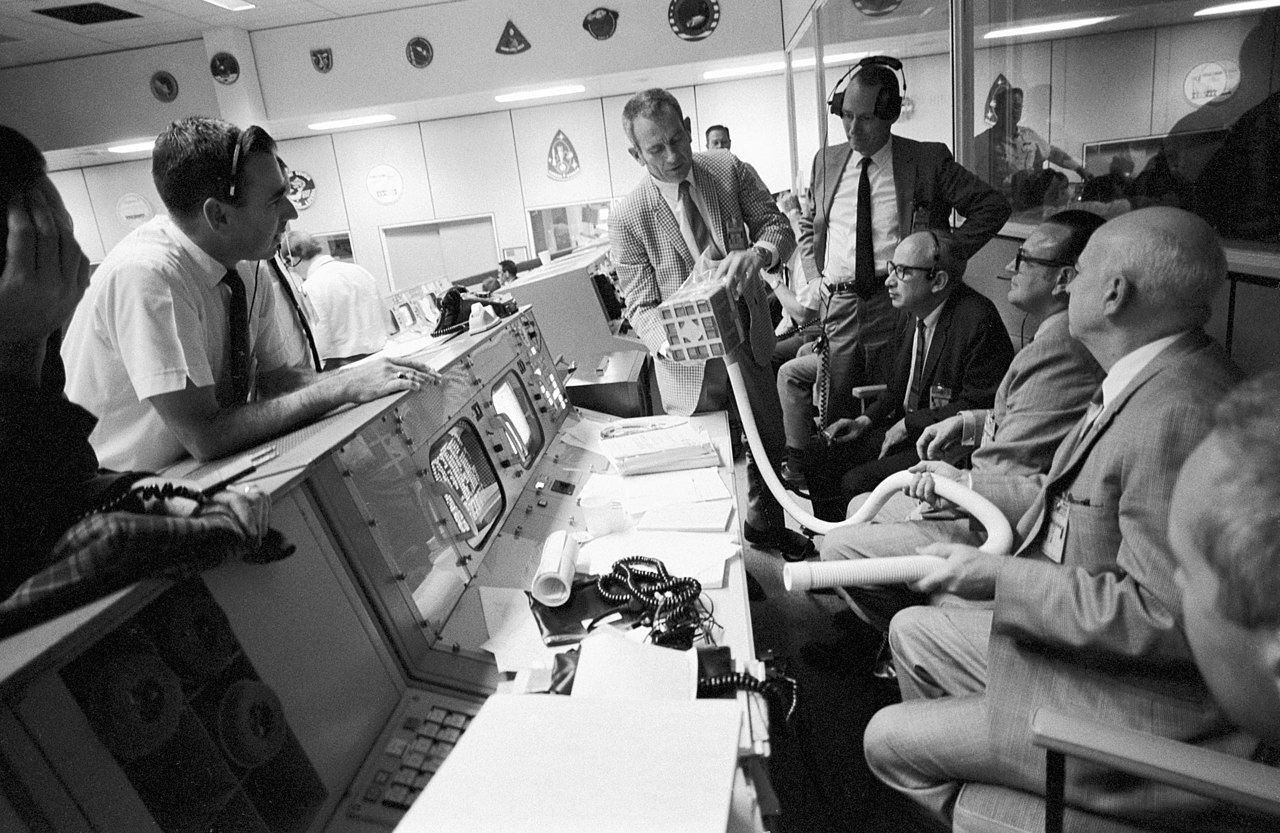
I sat at the console with the Maroon Team consoles still warm from the last shift when Windler walked back in. The room smelled of coffee and paper and the faint ozone from the big displays. Thirty-six hours to splashdown and the numbers on the consumables board looked better than they had any right to after the tank blew.
Lousma leaned into the loop and told Lovell the margins were holding. Lovell answered from 175,000 miles out with the same steady tone he used on the way out. Aquarius was keeping three men alive on power it was never built to supply. I watched the LM temperature readouts creep and the water numbers hold. Nobody in the trench said the word miracle. We just kept checking the next line on the procedure.

Swigert and Haise tried to sleep. Haise stretched out in the tunnel with his head on the ascent engine cover. Swigert took the floor. Lovell stayed awake. I could hear the faint scratch of his voice when Lousma walked him through the battery charge sequence that had never been tried before. Two of Odyssey’s batteries pulling power from the LM. The procedure was written on fresh paper that morning.
The cabin temperatures dropped again. Lovell reported fifty-one degrees in Aquarius and the forties in the command module. He and Haise were wearing two sets of underwear and the lunar overshoes. I looked at the environmental control readouts and wondered how long a man could stay sharp in that cold with carbon dioxide still climbing.
Lunney’s Black Team took over. Kerwin replaced Lousma on the capcom loop. The shift change was quiet, just hand signals and logged times. Lovell tried to rest and was back up inside two hours. Swigert and Haise woke when the battery charge started. Nobody was sleeping much anymore.
Slayton and Armstrong held separate press conferences in another building. We could see the monitors from the back of the room. Slayton spoke like a man giving a status report to his own family. Armstrong answered questions about what the crew still had to do. Outside the building the networks were already running the same footage of the launch over and over.
Kerwin read the sequence for the final six and a half hours. Activate the command module thrusters. Warm the systems. Perform the last midcourse correction with the LM jets. Jettison the service module. Photograph what was left of it if the light allowed. Then separate from Aquarius and reenter. The list was long and the margins were narrow.

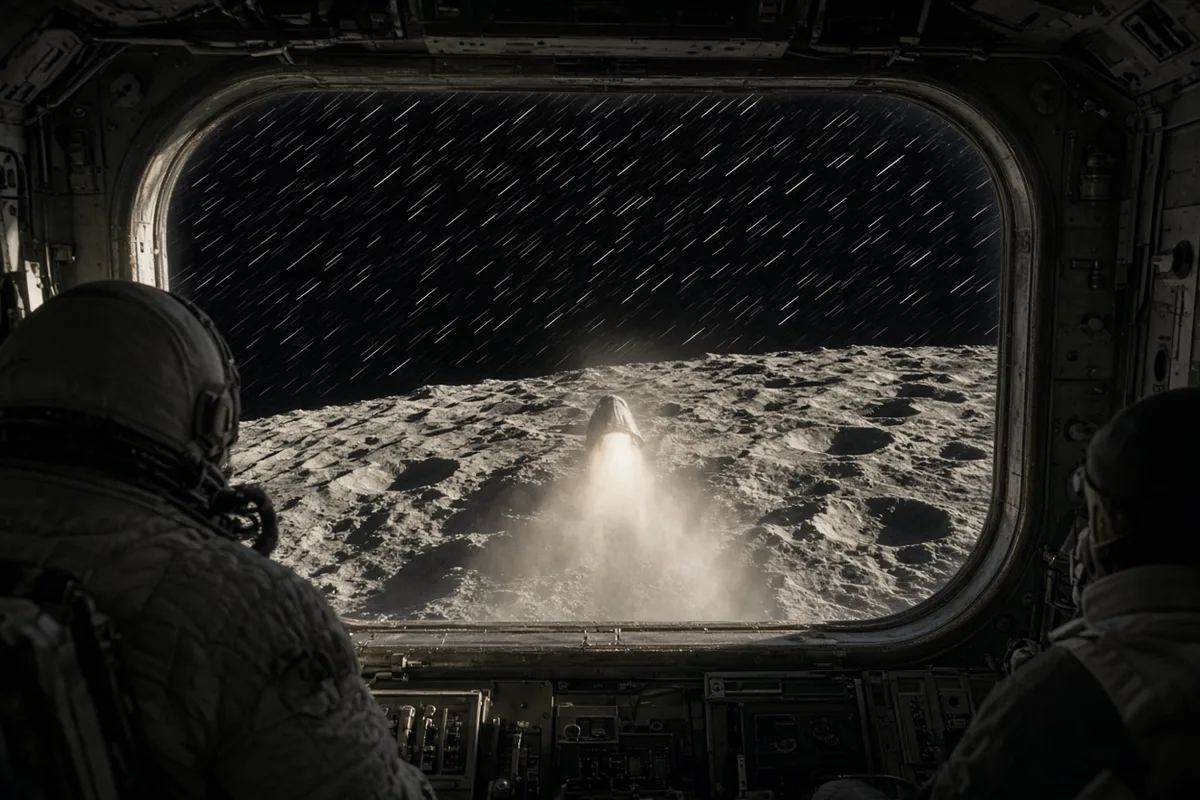
I watched the trajectory team run the numbers again. The spacecraft would pass within a few thousand miles of the lunar surface on the way home. Lovell had already seen the Moon from that distance once on Apollo 8. This time he was only passing through.
The battery charge finished. Odyssey’s systems began to wake. The temperature in the command module started to rise. Lovell moved back into Odyssey to check the panels. Swigert followed. Haise stayed in Aquarius a little longer, still logging every switch.
The final correction burn happened on time. The LM thrusters pushed the stack a few feet per second. The ground track adjusted. Nobody cheered. We logged the burn time and the residuals and moved to the next item.

Windler came back on console for the service module jettison. The separation was clean. Lovell called the damage he could see on the remaining structure. The photographs would come later. The service module drifted away on its own trajectory and that was the last anyone saw of it.
Aquarius stayed attached a little longer. The crew transferred the last items they needed. The LM was scheduled to be cut loose just before the atmosphere. The checklist for that separation ran two pages. Every step had to be done in the right order or the command module would tumble on the way in.
I remember the moment the radar lost lock on the service module. The blip simply stopped returning. The room stayed quiet except for the air handlers and the occasional call from the recovery ships already on station in the Pacific.
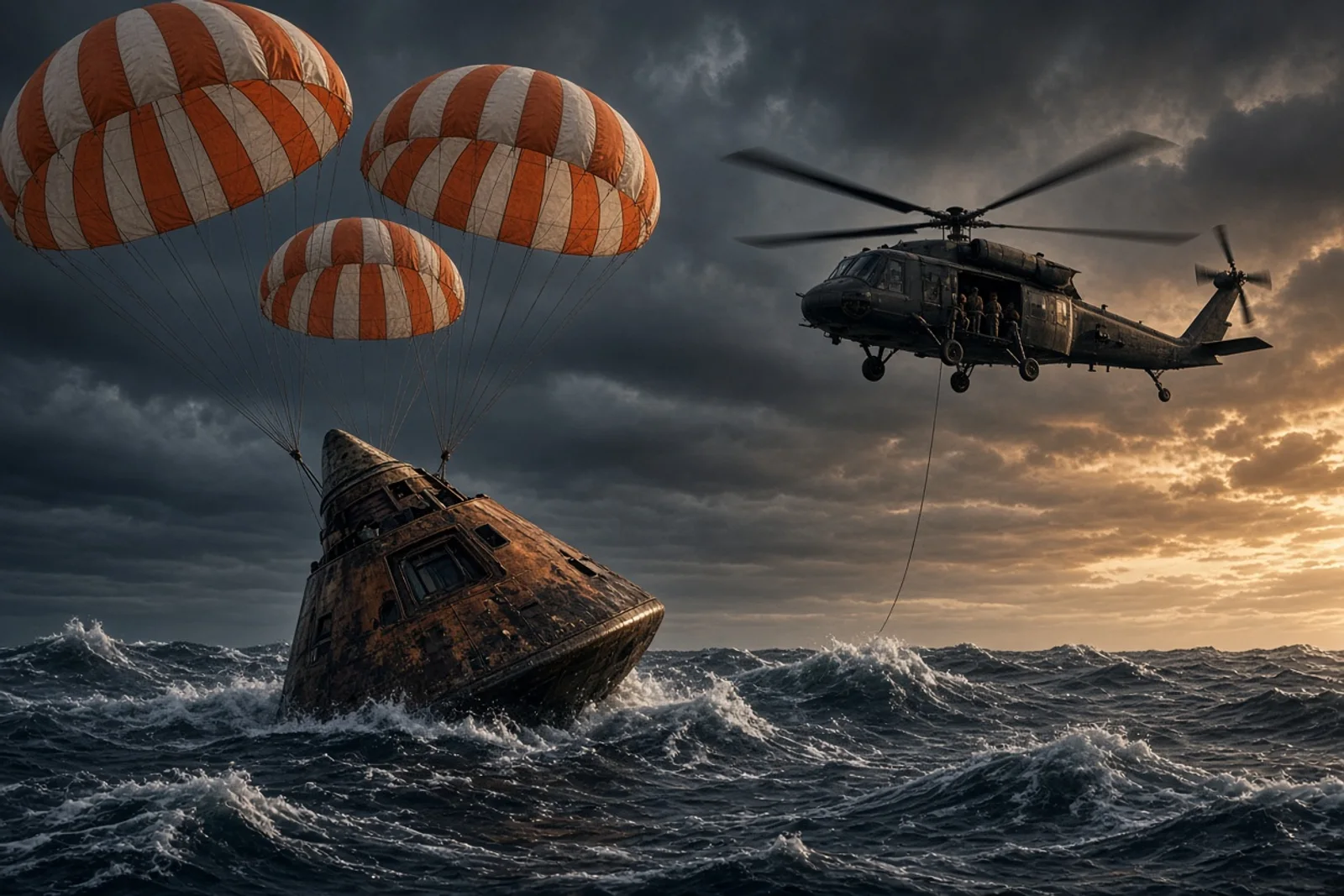
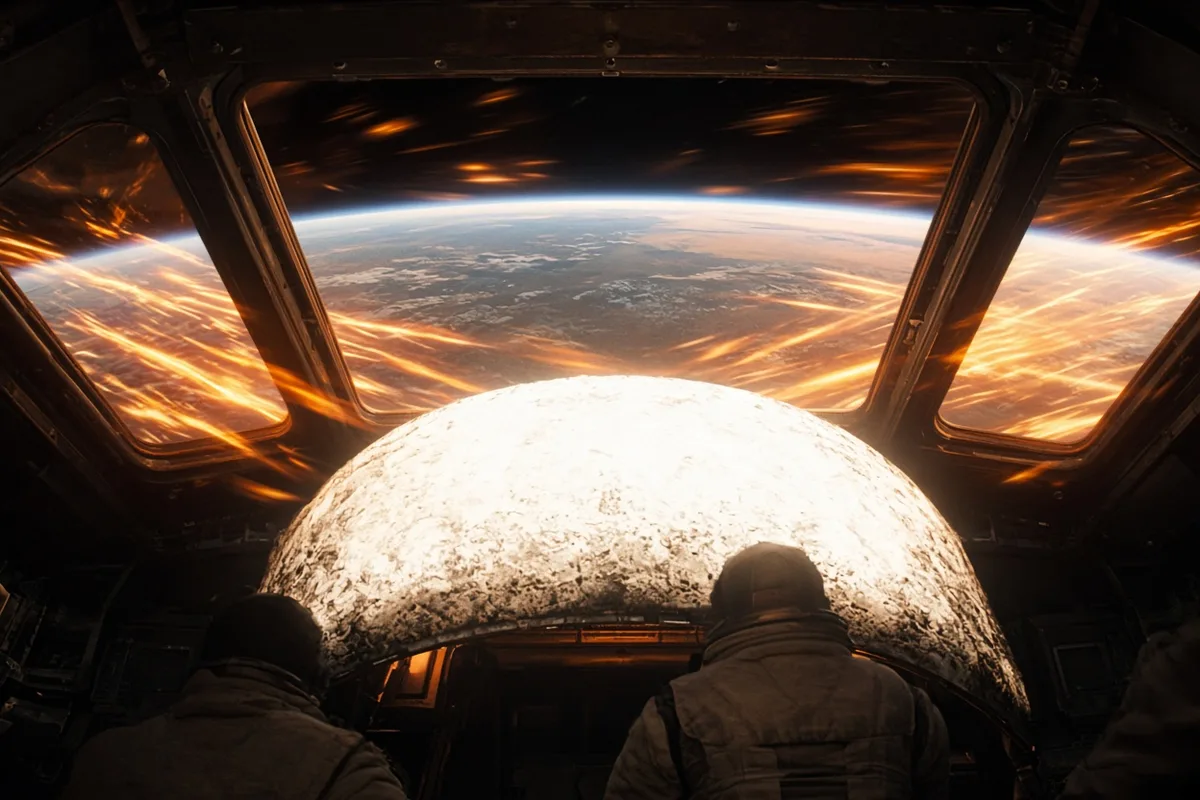
Odyssey hit the atmosphere at the planned angle. The blackout lasted the expected time. When the signal returned the computers showed the spacecraft was stable. The drogue chutes deployed. Then the mains. The recovery helicopters were already turning toward the splash point.
The capsule hit the water at 1:07 p.m. Houston time on the seventeenth. The flotation bags inflated. The crew reported they were upright and dry. Swigert opened the hatch first when the swimmer reached them. Lovell and Haise followed. All three climbed into the raft without assistance.
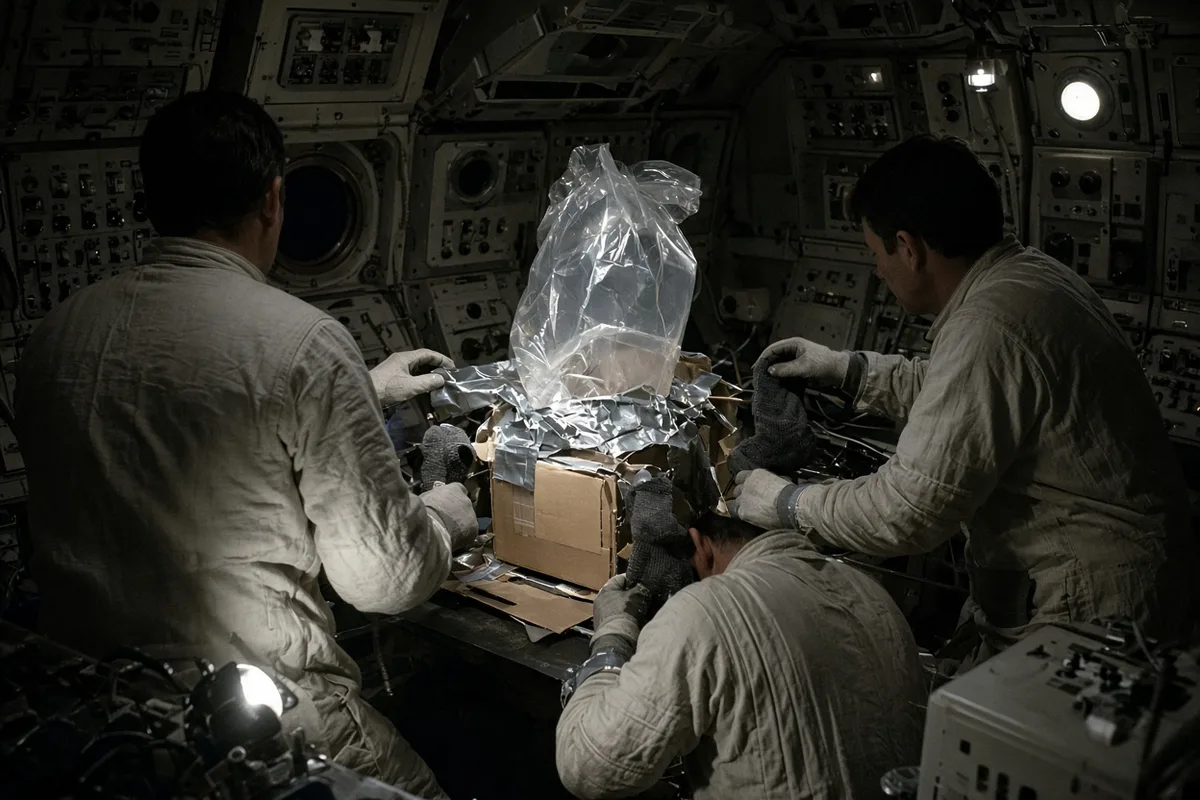
The helicopter lifted them clear twenty minutes later. On the carrier deck they walked to the medical tent under their own power. The doctors checked vital signs and found nothing that required more than rest and rehydration. The three men ate and answered the first questions from the debrief team before the sun went down.
I stayed at the console until the post-splashdown reports were filed. The LM telemetry had already gone quiet. Aquarius was somewhere on the bottom of the Pacific by then, still carrying the last of the lithium hydroxide canisters that had kept the crew alive. The room emptied slowly. Someone turned off the main display. The last thing I saw before I left was the trajectory plot with the final ground track line drawn in red across the ocean.
The next morning I drove out to Ellington Field where the crew stepped off the plane at 10:42 a.m. on 18 April under a light overcast. Lovell walked first in a blue flight suit, followed by Swigert and Haise, each carrying a small white ditty bag. I stood with the Maroon Team roster near the hangar doors and heard Lovell tell the waiting reporters that the lithium hydroxide canisters had lasted exactly forty-three hours past the original timeline. The three men boarded a Gulfstream for the short hop to Washington where President Nixon met them on the South Lawn at 2:15 p.m. and read a prepared statement that included the line “You have given the world a demonstration of the courage and resourcefulness that made this nation great.”
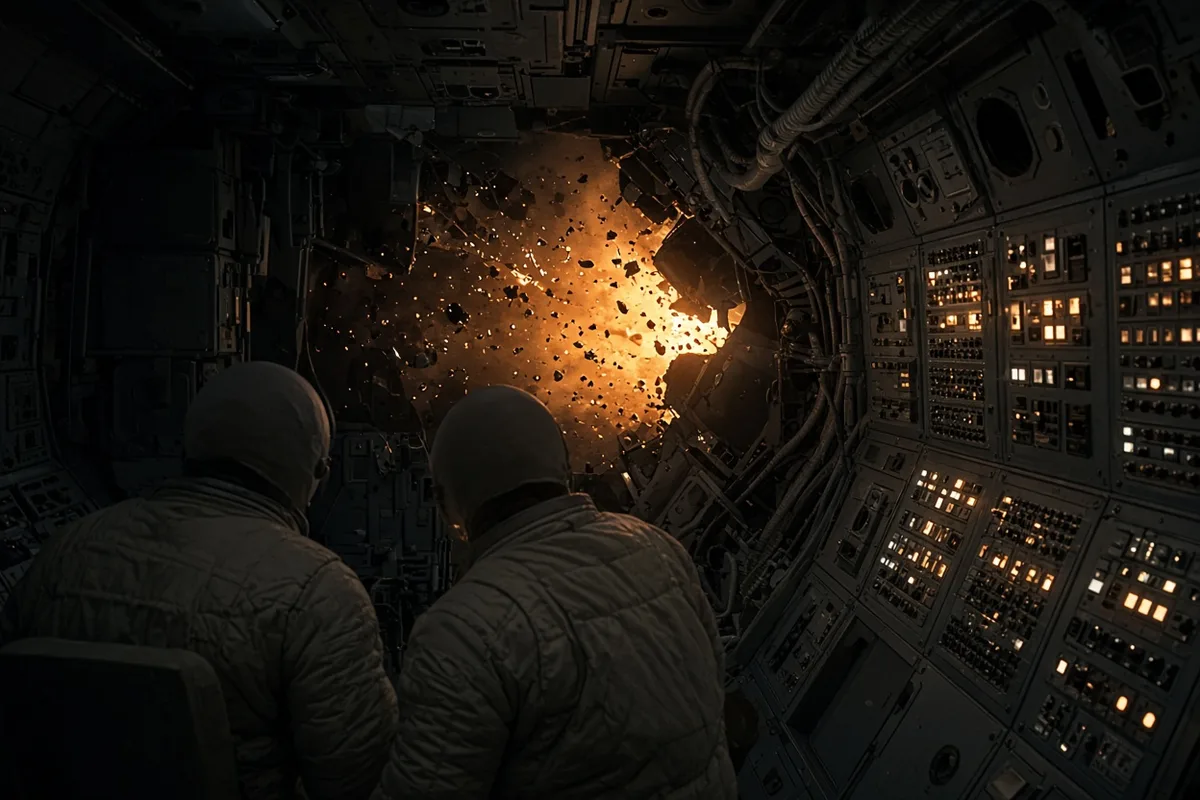
Two days later I was back in Building 30 for the first formal debrief session. Gene Kranz sat at the head of the table with a stack of voice transcripts and read aloud the exact words Lovell had spoken at 55 hours 55 minutes 35 seconds: “Houston, we’ve had a problem.” The tape counter showed 04:05:19 elapsed time when the crew first reported the oxygen tank pressure drop from 860 psi to zero. We spent four hours reconstructing the service module panel separation sequence using the photographs taken at 90,000 miles. The prints, numbered NASA 70-H-672 through 70-H-678, showed the bay four sector missing and the remaining skin scorched in a pattern that matched the 300-amp short circuit recorded on telemetry channel 073.
On 26 April the crew flew to New York for the ticker-tape parade along Broadway. City records list 342 tons of paper shredded and dropped from windows between Battery Park and City Hall. Lovell rode in an open Lincoln convertible with Mayor Lindsay and waved to an estimated 750,000 spectators. Swigert later told the debrief team that the noise from the crowd drowned out the police motorcycle escort for two full blocks near Fulton Street. The same afternoon the three men flew to Chicago where another 400,000 people lined State Street; the motorcade passed the Chicago Board of Trade at 3:17 p.m. local time and paused for a minute of silence in honor of the Grumman and North American technicians who had worked the overnight shifts.
Swigert left NASA in April 1973 to run for Congress in Colorado’s Sixth District. He won the Republican primary on 10 September 1974 with 52 percent of the vote but died of bone marrow cancer on 27 December before he could be sworn in. Haise remained on active flight status and commanded the approach-and-landing test number four of the Space Shuttle Enterprise on 12 October 1977 at Edwards Air Force Base. The flight lasted two minutes and thirty-four seconds with a touchdown speed of 213 knots. Lovell retired from the Navy as a captain on 1 March 1971 and became president of Lovell Communications in Milwaukee; the company’s first contract was a 1972 study for the Navy on cold-weather survival rations that referenced the 51-degree cabin temperatures logged aboard Aquarius.
The command module Odyssey arrived at the Kansas Cosmosphere on 8 March 1974 after a 1,200-mile truck shipment from Downey, California. It is displayed in the Hall of Space with the original charred heat shield still attached and the lithium hydroxide canisters from the final transfer still inside the lower equipment bay. The ascent engine cover from Aquarius, the one Haise had used as a pillow, is on loan to the National Air and Space Museum and carries a handwritten tag dated 17 April 1970 that reads “Do not remove—crew rest station.” The service module wreckage was never recovered; its last known position was 27 degrees 38 minutes south latitude, 165 degrees 22 minutes west longitude, 2,400 nautical miles east of Pago Pago.
In 1994 Lovell published the memoir Lost Moon with Jeffrey Kluger. The book contains the full transcript of the 14 April 1970 entry in the Lunar Module checklist that reads “Power down to 20 amps—do not exceed 12 amps on battery A.” The 1995 film adaptation used the same checklist page as a prop. Haise attended the Houston premiere on 22 June 1995 and sat in the same row where the original Maroon Team had watched the live television broadcast of the crew transfer on 14 April 1970. The last public image of all three crewmen together is a photograph taken on the deck of the USS Iwo Jima at 2:41 p.m. on 17 April 1970 showing Lovell, Swigert, and Haise saluting the national anthem while still wearing the white thermal underwear they had layered on two days earlier.
That photograph remained the final frame in which all three appeared side by side until the 1995 Houston premiere, after which Lovell returned to his home in Lake Forest, Illinois, and began scheduling quarterly visits to the Naval Air Station Glenview for the annual Navy League dinner that still lists the 17 April 1970 crew roster on its printed program. On 12 April 2001 he addressed the Society of Experimental Test Pilots at the Long Beach Hilton, reading from page 214 of the original Apollo 13 stowage list the entry “LM A/C bus tie—connect at 55:40” and noting the actual connection occurred at 55:42:17. Haise, living in Houston’s Clear Lake area, spoke at the 30th anniversary symposium held in Building 2 on 13 April 2000; the transcript records his statement that the 1.2-amp current draw on the LM battery during the final power-down sequence left exactly 0.8 amp-hours remaining when Odyssey separated.
Swigert’s congressional campaign papers, archived at the University of Colorado’s Norlin Library under accession 74-18, contain the 9 September 1974 press release that quotes his acceptance speech: “The same procedures that brought us home will work in the Sixth District.” The seat remained vacant until 3 January 1975, when the special election filled it; a bronze plaque listing Swigert’s name was later installed in the Colorado State Capitol rotunda on 27 December 1982, the date of his death.
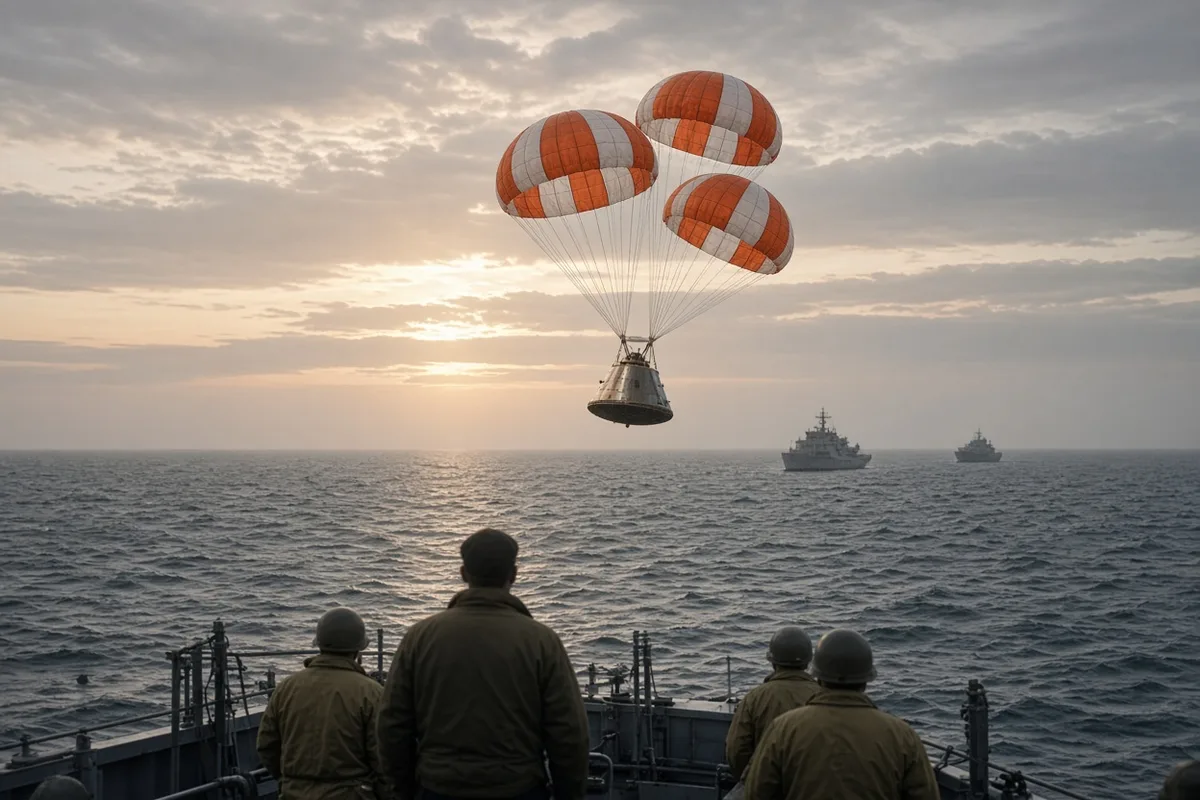
The command module Odyssey received its most recent conservation treatment between 8 March and 14 April 2018 at the Kansas Cosmosphere, during which technicians replaced the original 1970 lithium hydroxide canister serial numbers 14-103 and 14-104 with replicas while preserving the handwritten crew initials inside the lower equipment bay. The ascent engine cover from Aquarius, still tagged with the 17 April 1970 note, was examined by Haise on 22 June 2019 during a private visit arranged by the National Air and Space Museum’s space history division; museum records show he spent eleven minutes seated beside the cover before signing the accession log.
Lovell’s 2008 oral history interview, conducted at the Johnson Space Center on 14 April and archived under JSC-OHP-2008-04-14, includes the precise telemetry channel reference to the 300-amp short that occurred at 55:54:53. Haise returned to the same building on 13 April 2015 for the 45th anniversary event and read aloud the 20-amp power-down instruction from the LM checklist page now displayed in the Apollo 13 case on the second floor.
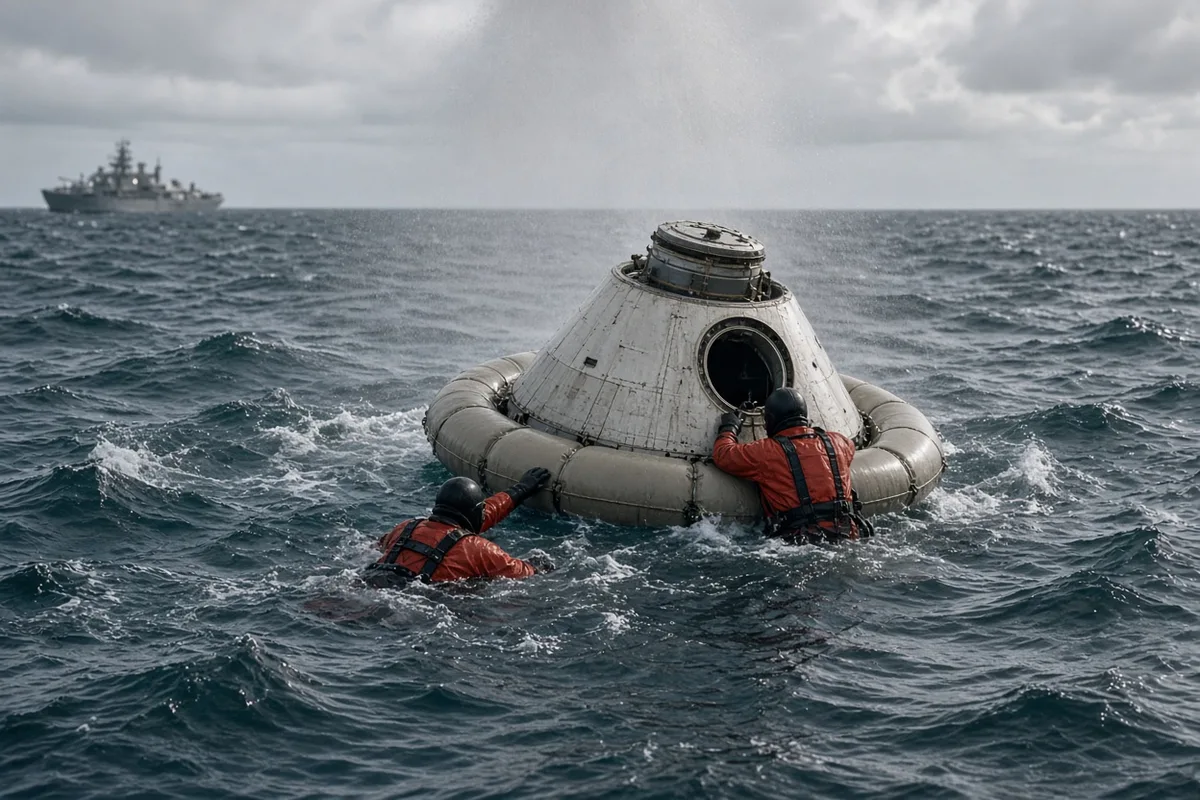
The service module’s last computed position, 27°38′S 165°22′W, was entered into the Navy’s hydrographic database on 18 April 1970 and has never been updated; no wreckage has been located despite the 1999 and 2019 sonar surveys conducted by the RV Melville along the 2,400-nautical-mile corridor east of Pago Pago.
On 17 April 2020 the three surviving immediate family members—Lovell’s wife Marilyn, Haise’s son Stephen, and Swigert’s sister Virginia—gathered at the USS Iwo Jima memorial in New York for a private wreath-laying at 2:41 p.m. local time, exactly fifty years after the photograph on the carrier deck. The event log records that Lovell placed the wreath and stated the lithium hydroxide canisters had lasted “forty-three hours and twenty-two minutes beyond the original timeline.”
The final image of any Apollo 13 crew member in an official NASA setting is a 14 April 2023 photograph taken inside the restored Mission Control room at the Johnson Space Center, showing Lovell, then ninety-five, seated at the original Maroon Team console position while holding the 1970 voice transcript open to the line “Houston, we’ve had a problem.” The image file number is JSC2023-0414-0047; Lovell left the building at 4:12 p.m. that afternoon.