


Apple CEO Ternus eyes engineering-led overhaul, report says

In Apple’s hardware engineering division the dismissals have been landing for two weeks. The cuts reached roughly half a dozen directors—one of the company’s most senior employee levels. Their roles were gone.
Those affected “were given just weeks to find other positions within Apple.” Anyone who failed to secure a new internal post would be laid off later this year. Directors who had held some of the highest ranks in hardware engineering now faced a short clock: relocate inside the company or leave before the year closed.
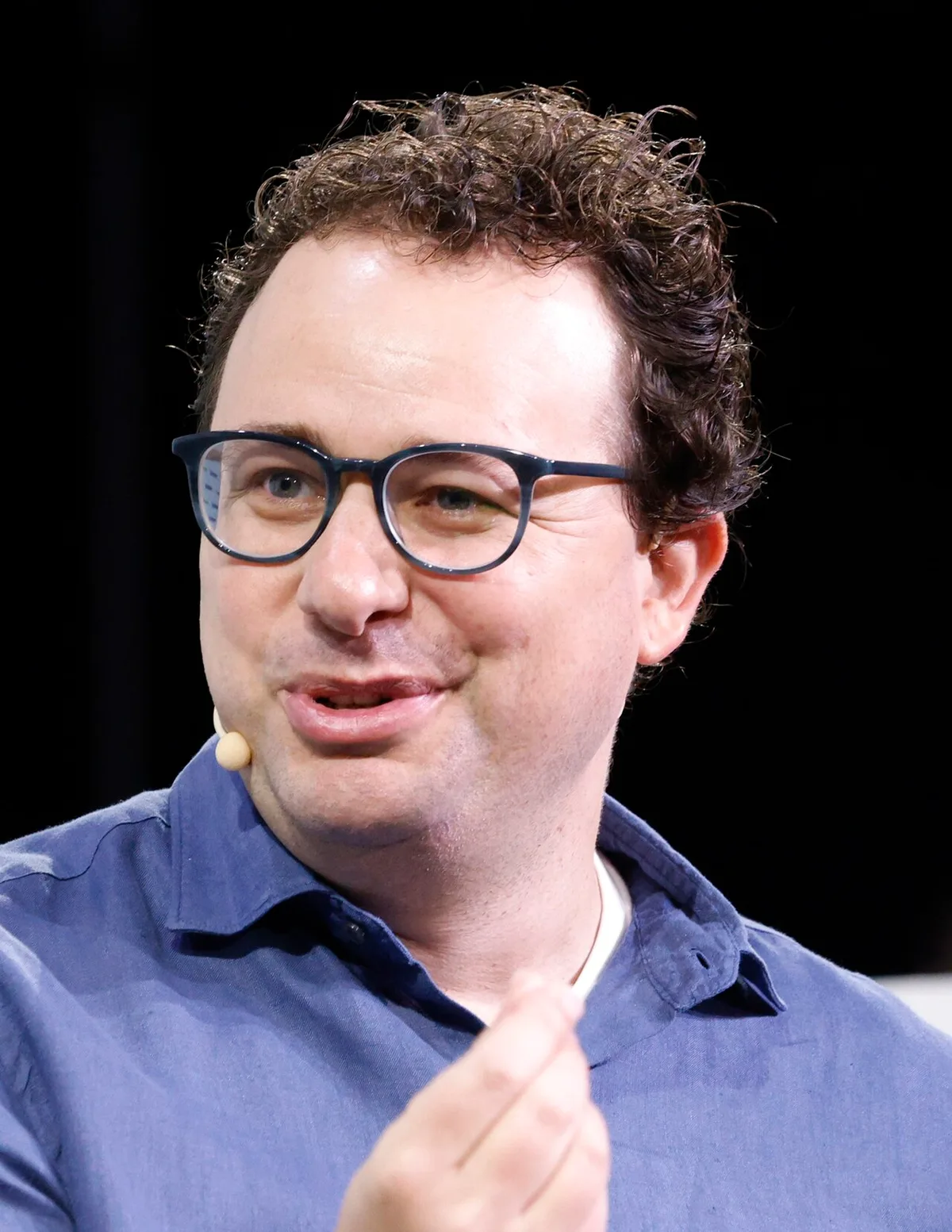
Ternus, 51, is a 25-year Apple veteran. As longtime hardware chief he oversaw multiple generations of the iPhone, and in September 2026 he succeeded Cook after Cook’s 15-year tenure. Bloomberg’s Mark Gurman has reported that for years Ternus advocated a leaner organization. The new chief executive has signaled internally that Apple has to stay competitive in the artificial intelligence era, and that the path he favors runs through fewer layers of cost and more output from the people already on staff.
He made the preference concrete long before the title changed. While leading hardware engineering, Ternus stood at an all-hands meeting and showed a slide charting annual headcount growth. He argued Apple should accomplish more with fewer employees.
Gurman’s reporting ties that meeting to the shape of the first weeks under a hardware lifer in the top job. The early plans Ternus has discussed with colleagues point to an engineering-led overhaul—Apple run faster and leaner than before. One concrete step under discussion is “eliminating some middle-management positions to reduce the layers separating engineers from senior executives,” Bloomberg reported. Greater focus would fall on engineering itself, and decisions would pass through fewer hands.
He wants the company more experimental. He wants it to introduce products more quickly and to ship them throughout the year instead of leaning on the traditional cadence of major events in June and September. Apple has typically held a developer conference in June, focused on software, and a fall launch event in September centered on new iPhones and other consumer devices. Those two dates long structured both the public year and the internal development cycle that fed it. Moving away from that spring-and-fall rhythm would keep product work moving across the full calendar, outside the two familiar windows.

The engineering program manager role had been “central to Apple’s product-development process for decades,” Bloomberg reported. The staff who held those jobs managed timelines and coordinated work across teams. The position had sat inside the path that moved hardware from one stage of development to the next through a long stretch of Apple’s modern product history. Removing it from the hardware engineering division cut into a function the company had treated as structural for years.
The reductions did not stop there. Apple also made cuts in teams working on Siri, Vision Pro, and AI-related software engineering, some of them tied to performance. Siri is the company’s voice assistant; Vision Pro is its headset. Ternus has explored how artificial intelligence could speed product development and automate tasks employees now perform. AI agents—software systems able to carry out work with limited human direction—figured in that thinking as another way to do more with less.
Apple scrapped a summer plan to lay off 5,000 AppleCare employees. The company believed AI agents could handle the work.
Ternus is working with Eddy Cue and chief financial officer Kevan Parekh on growing income from Apple’s services division. The three have discussed launching new services and extracting more revenue from existing products and offerings.
Managers in Apple’s product-development groups are being pushed to deliver more products, more often, on shorter timelines. People familiar with the situation said the demand is already visible in how those teams are run. The groups that turn engineering work into finished products are expected to move faster and produce more, with less room in the schedule than they had carried before. One person who knows the current state of the work described the atmosphere in two plain sentences. “Everything is a lot more hands-on than it used to be,” the person said. “It’s hectic right now.”
Earlier in September 2026, Apple launched its first foldable phone. The Duo iPhone sold for $1,999. That price marked the company’s entry into a category it had left to others.