



ALAN RECHTSCHAFFEN: Trump Is Right. It’s Time For A Common-Sense Commission To Rethink The Fed
“What we need to do is examine the entire Federal Reserve institution and whether they have been successful,” Treasury Secretary Bessent said this week on CNBC. “If this were the and we were having this many mistakes…
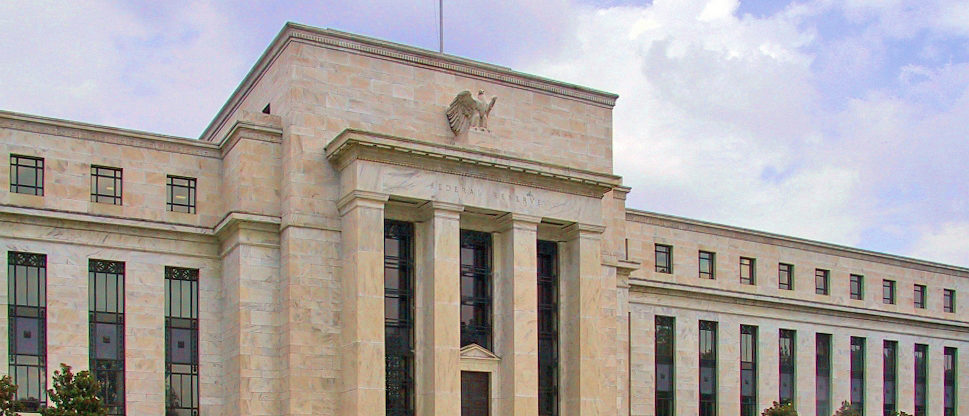

“What we need to do is examine the entire Federal Reserve institution and whether they have been successful,” Treasury Secretary Bessent said this week on CNBC.
“If this were the and we were having this many mistakes, we would go back and look at why this happened.”
He’s absolutely right.
If history showed repeated serious mishaps under the FAA’s watch, would we simply tweak a few protocols—or would we re-evaluate the entire flight control system?
Now apply that same logic to America’s economic infrastructure.
For decades, financial oversight has been treated as untouchable. Agencies grow in response to the last crisis, but no one goes back to ask whether the structure itself still works. The Federal Reserve, SEC, FDIC, and the alphabet soup of financial watchdogs operate in silos—duplicating efforts, sending mixed market signals, and often working at cross purposes. No CEO would run a company this way.
Congress’s recent passage of the bipartisan GENIUS Act proves that when lawmakers prioritize clarity and innovation, reform is possible. But digital assets are just one node in a bloated and fragmented system. The problem isn’t crypto—it’s institutional drift.
We Keep Fighting The Last War
Every major reform has been a response to the last crisis. The SEC emerged after the 1929 crash. The FDIC followed Depression-era bank runs. Fed “independence” hardened in the 1970s to battle inflation. Dodd-Frank came after the 2008 collapse.
Each fix made sense in the moment. But layer by layer, they created a backward-looking structure that often stifles innovation and punishes competition.
Today, a fintech startup faces the same compliance burden as a multinational bank. Small businesses seeking capital online must navigate rules built for IPOs. Regulators issue conflicting guidance on emerging technologies, pushing entrepreneurs offshore.