



Biden’s First Step on Taxes May Be Cracking Down on Cheats, Democrats Say
Joe Biden will reverse Republican tax cuts for the wealthy and corporations on “day one” if he wins November’s election, his Democratic running mate, Senator Kamala Harris, vowed during Wednesday night’s…
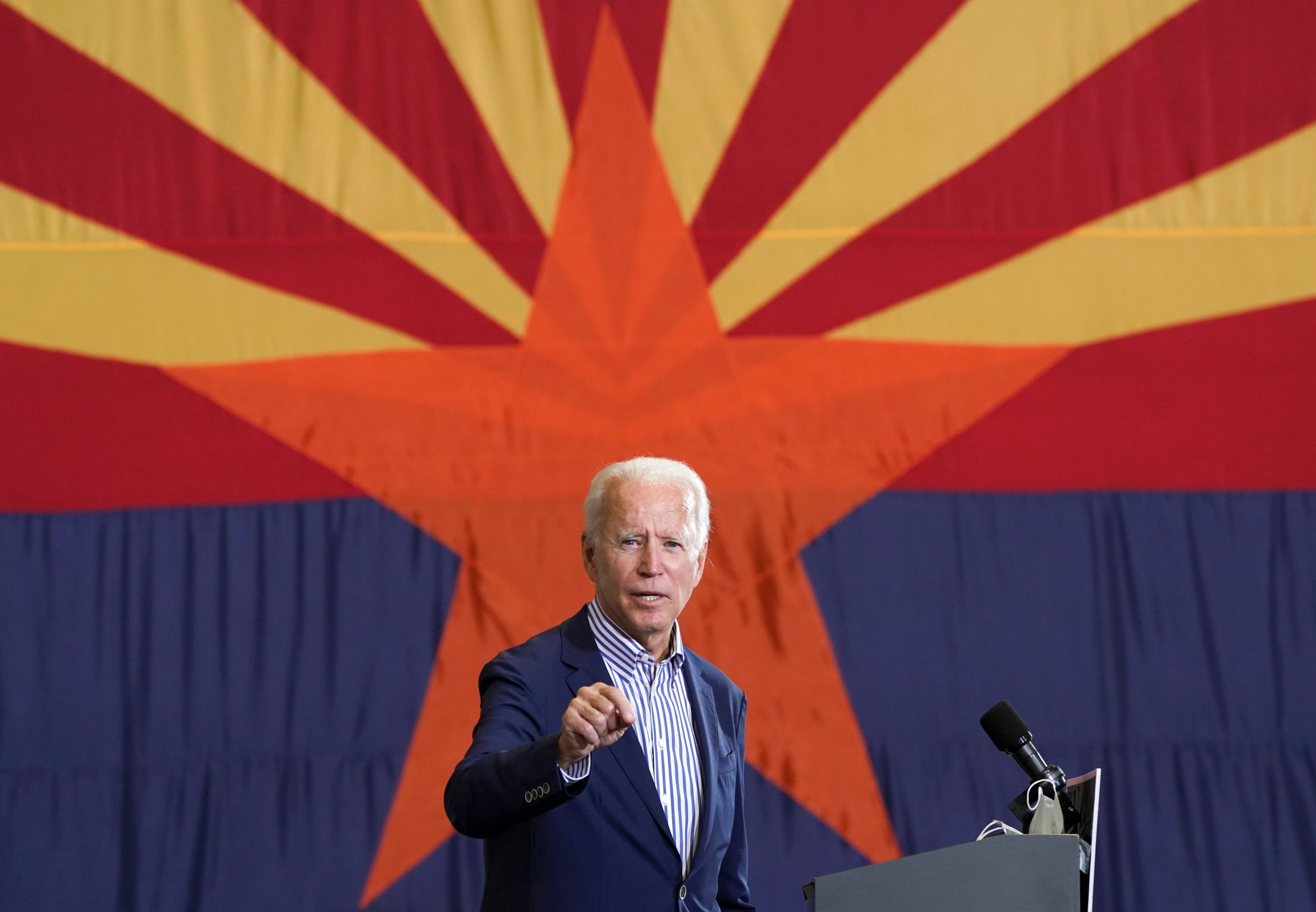
Joe Biden will reverse Republican tax cuts for the wealthy and corporations on “day one” if he wins November’s election, his Democratic running mate, Senator Kamala Harris, vowed during Wednesday night’s vice-presidential debate.
Other Democrats in Washington, however, say that timing looks overly ambitious. A new Biden administration, which would be inaugurated on Jan. 20, 2021, would likely face a still-raging coronavirus pandemic and an economy deep in recession.
His first step on taxes could be a more straightforward one, say some Democrats, including Biden advisers: beefing up Internal Revenue Service (IRS) enforcement to go after wealthy tax cheats who cost the United States hundreds of billions of dollars in revenue every year.
Tackling major tax reform, and particularly repealing the 2017 Tax Cuts and Jobs act, a signature Trump policy that reduced corporate taxes, depends on multiple factors, said Jared Bernstein, Biden’s chief economist as vice president, who now serves as an external adviser to his campaign.
“I don’t think there’s any way to zero in on the timing at this point,” he said in an interview days before the vice presidential debate. “There’s a lot that has to be dealt with between now and then, including winning,” said Bernstein.
He and other prominent Democrats, however, are happy to talk in detail about what they say is a need for much stronger enforcement at the IRS, which has suffered a decade of budget cuts and hiring freezes imposed by Republicans in Congress.
Bernstein said Biden would seek “significant increases in IRS enforcement and auditing, particularly for those with complex business structures” like Trump.
Senator Maggie Hassan, a senior Democrat on the tax-writing Senate Finance Committee, said at a subcommittee hearing on Wednesday that her top fiscal priority was new coronavirus aid to households and businesses, followed by shrinking the “so-called tax gap, which comes from corporations and billionaires avoiding taxes by under-reporting income to the Treasury.”