



Biden Proposes $2 Trillion ‘Once-in-a-Generation’ Investment in US Economy
President Joe Biden on Wednesday called for a sweeping use of government power to reshape the world’s largest economy and counter China’s rise in a $2 trillion-plus proposal that has been met with swift political…
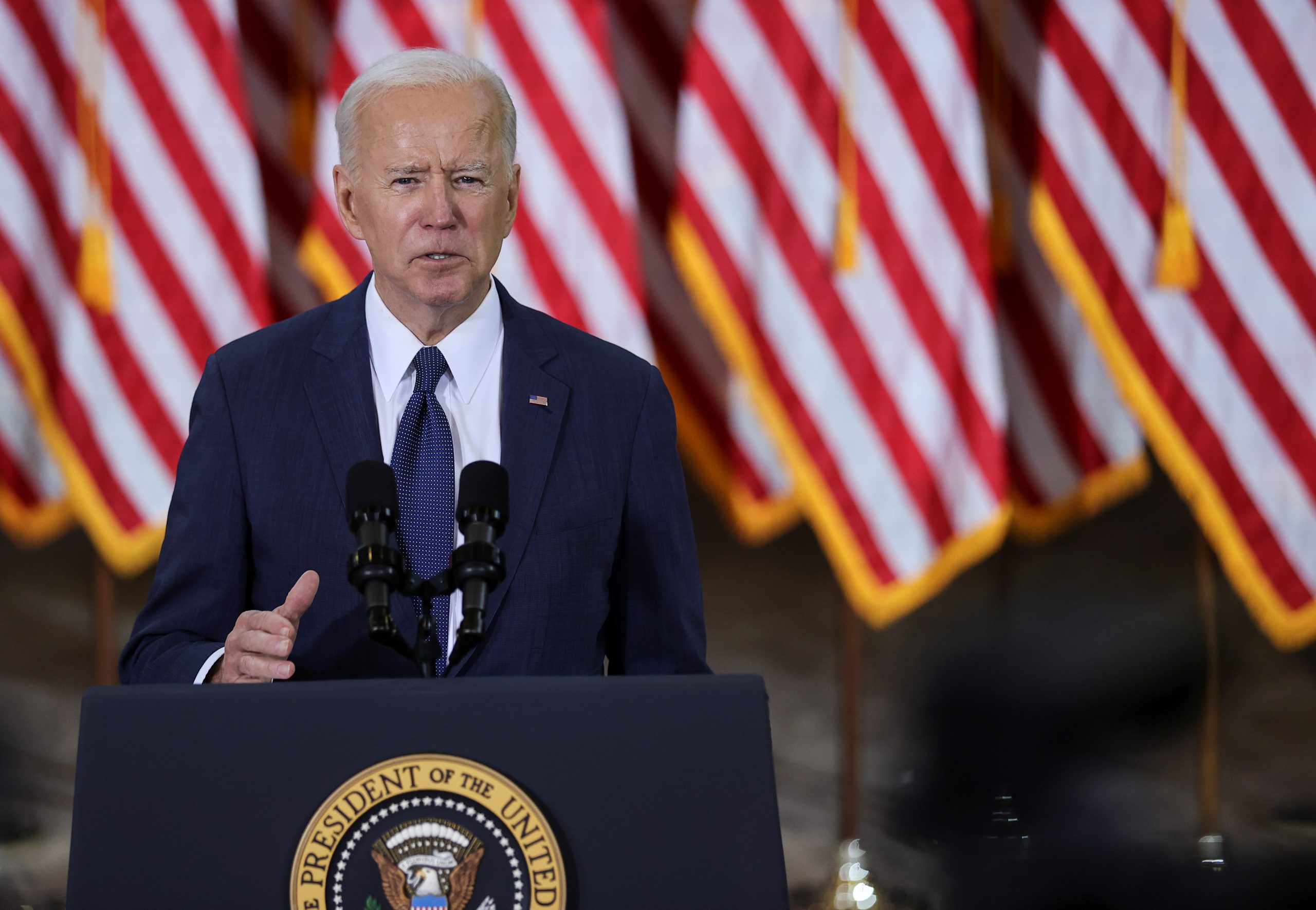
President Joe Biden on Wednesday called for a sweeping use of government power to reshape the world’s largest economy and counter China’s rise in a $2 trillion-plus proposal that has been met with swift political resistance.
Biden’s proposal would put corporate America on the hook for the tab for projects putting millions of Americans to work building infrastructure such as roads as well as tackling climate change and boosting human services like elder care.
“It’s a once-in-a-generation investment in America, unlike anything we’ve seen or done,” Biden said in Pittsburgh. “It’s big, yes. It’s bold, yes. And we can get it done.”
Biden’s second multi-trillion dollar legislative proposal in two months in office aimed to provide support to an economy walloped by the coronavirus pandemic. It also promised to shore up labor unions and the country’s resilience to climate change, both long-sought liberal goals.
Another economic proposal Biden will release in April could add another $2 trillion to the total price tag.
Coupled with his recently enacted $1.9 trillion coronavirus relief package, Biden’s infrastructure initiative would give the federal government a bigger role in the U.S. economy than it has had in generations, accounting for 20% or more of annual output.
A government-directed effort to strengthen the economy is the best way to contend with increased competition and a national security threat posed by China, Biden’s team believes.
The effort sets the stage for the next partisan clash in the U.S. Congress where members largely agree that investments are needed but are divided on the total size and inclusion of programs traditionally seen as social services.
The president’s proposal was greeted icily by conservatives and major business groups.
“If it’s going to have massive tax increases and trillions more added to the national debt, it’s not likely,” said Republican Senator Mitch McConnell of Kentucky, the minority leader, one day after Biden called to brief him on the proposal.