



BONNER RUSSEL COHEN: The Heartland Is Tearing Off Biden’s Green Energy Shackles
A green company’s yearslong effort to use the power of eminent domain to seize farmland in the Plains States was derailed after Republican South Dakota Gov. Larry Rhoden signed legislation on March 13 barring the…
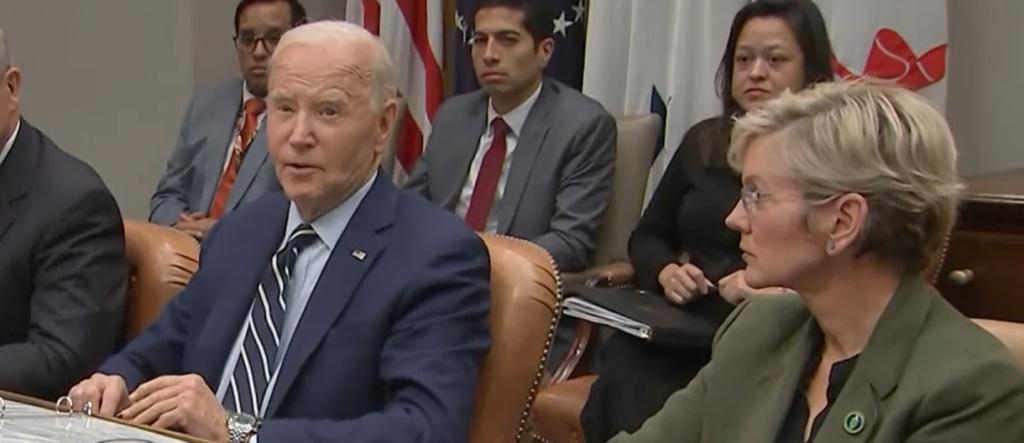

A green company’s yearslong effort to use the power of eminent domain to seize farmland in the Plains States was derailed after Republican South Dakota Gov. Larry Rhoden signed legislation on March 13 barring the condemnation of private property for the construction of a CO2 pipeline.
Iowa-based Summit Carbon Solutions’ $4.5 billion, 2,100-mile climate project envisaged pumping 12 million tons of carbon dioxide captured annually at Midwestern ethanol plants across five states – Nebraska, Iowa, Minnesota, South Dakota and North Dakota – via a highly-pressurized pipeline before burying it deep underground in North Dakota.
Dubbed the “CO2 pipeline,” the project is part of a larger carbon capture and storage scheme, a taxpayer-subsidized investment fad touted to help heavy industries reach the Biden administration’s goal of achieving net-zero carbon emissions by 2050. The 2022 Inflation Reduction Act (IRA) supported the technology by offering participating companies a tax credit of up to $85 per ton of CO2 emissions captured and stored.
Under pressure from Biden-era regulators to cut emissions, and eager to pocket the lucrative tax credits, oil companies, including Chevron, ExxonMobil, Baker Hughes and SLB (formerly known as Schlumberger), hopped aboard the carbon capture and storage gravy train.
But the technology remains unproven, proposed projects encounter fierce local resistance, and – not least – the political landscape no longer favors green policies. “Carbon capture and storage technology today is expensive, logistically complex, and faces controversy over its role in the energy transition and safety concerns in the communities where pipeline infrastructure would be expanded,” CNBCreported in 2024.
The proposed CO2 pipeline cannot function logistically unless it passes through South Dakota, where hostility by landowners in its path proved the project’s ultimate undoing. “South Dakota landowners feel strongly that the threat of involuntary easements for the proposed carbon dioxide pipeline infringes on their freedoms and their property rights,” Rhoden