



Can Uncle Sam Finally Take The AI Chip Crown?
Taiwan has the goose that lays the silicon eggs, but now America is learning to breed our own. The fastest AI chip on earth was designed in California, funded by American investors and celebrated in Washington as a…
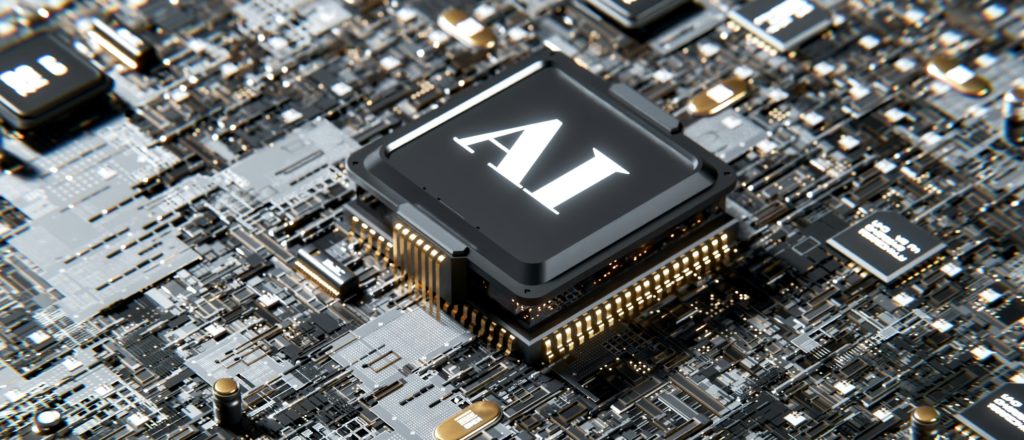

Taiwan has the goose that lays the silicon eggs, but now America is learning to breed our own.
The fastest AI chip on earth was designed in California, funded by American investors and celebrated in Washington as a national triumph. It is manufactured in Taiwan.
Cerebras IPO’d on May 14th, raising $5.5 billion and nearly doubling on its first day of trading to close at a $66 billion valuation — their processor, roughly the size of a dinner plate, runs AI ten times faster than anything Nvidia sells.
Taiwan is on top of the supply chain, with trade secrets in the brains of senior Taiwan Semiconductor Manufacturing Company employees, never written. They alone produce the chip wafers with the tiniest size, with Korea behind them, then China.
A wafer is the base of all processors, memory, hard drives, the nanometers represent how finely they chisel little groves that encode 0’s and 1’s. There are American-based semiconductor companies like SkyWater Technology and GlobalFoundries that can produce lots of 22nm wafers.
Cerebras still uses expensive Taiwan-based chips but more configurations and American specialty-chip companies can be funded and tried for less capital than you might think. This can create abundant fast AI for local models, investment opportunities and a manufacturing boom.
I’ve used Spark, the model OpenAI made for Cerebras chips, it’s fast but gets ahead of itself, milliseconds matter now, as they innovated on computer use timing. In AI words are broken down to “tokens”, warmly is two tokens, ‘warm’ and ‘ly’, tokens per second (tps) is the speed, weaker graphics cards are slower, smaller models are faster. To get 50% faster people pay double for /fast mode, but