



CDC Reverses Guidance on Airborne Transmission of COVID-19
The U.S. Centers for Disease Control and Prevention (CDC) sparked confusion when it reversed its guidance regarding the airborne transmission of coronavirus. The national public health institute updated a page on its…
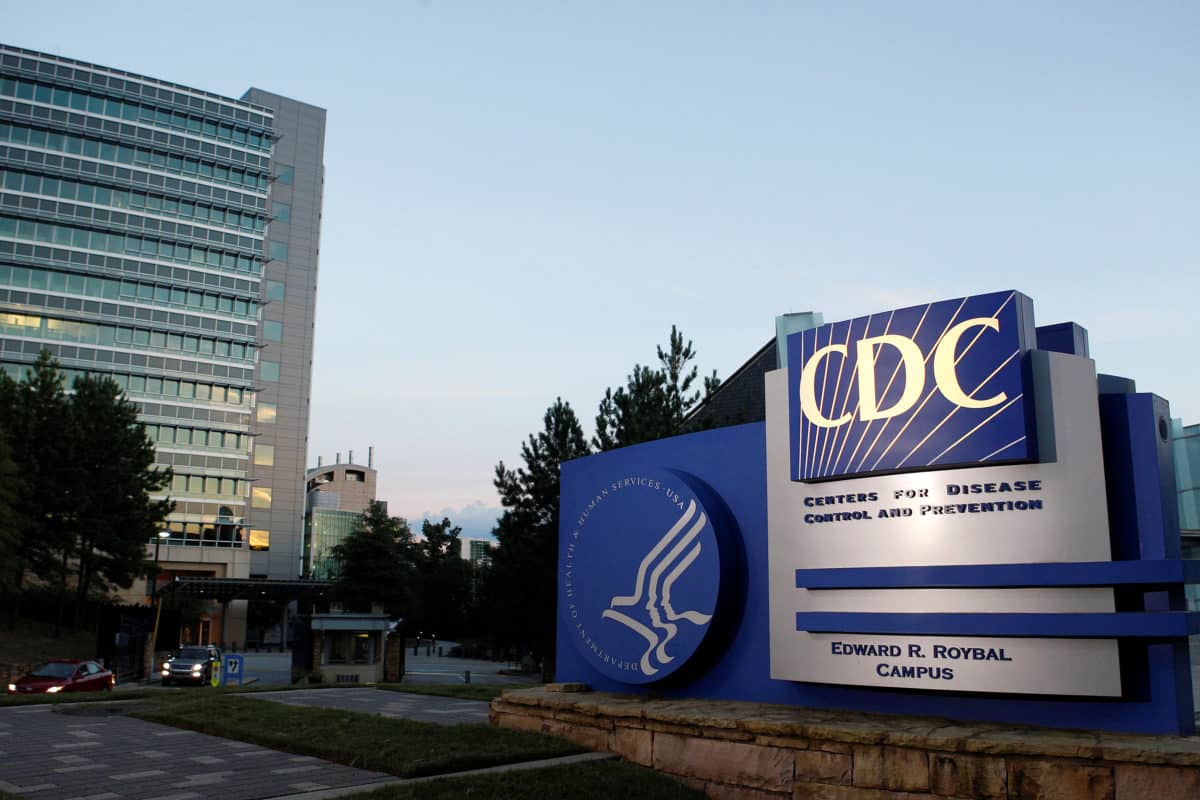
The U.S. Centers for Disease Control and Prevention (CDC) sparked confusion when it reversed its guidance regarding the airborne transmission of coronavirus.
The national public health institute updated a page on its website on Friday to offer a distinction for how coronavirus can spread “through respiratory droplets or small particles, such as those in aerosols,” according to CNN. These types of aerosols can spread simply by someone breathing.
Guidance on the CDC’s website previously suggested that coronavirus could be spread between those who are within 6 feet and “through respiratory droplets produced when an infected person coughs, sneezes or talks.”
The site information specified on Friday, “Airborne viruses, including COVID-19, are among the most contagious and easily spread.” More guidance has also been added to support the extended traveling distance of droplets and airborne particles.
“There is growing evidence that droplets and airborne particles can remain suspended in the air and be breathed in by others, and travel distances beyond 6 feet (for example, during choir practice, in restaurants, or in fitness classes),” the page said, according to CNN. “In general, indoor environments without good ventilation increase this risk.”
The CDC has also added additional guidance for the American public to help mitigate the spread of the coronavirus.
In addition to the standard 6 feet of social distance, masks, and handwashing, the CDC recommended