



Congress Contemplating New National Car Tax
Americans already pay a lot to own and operate a car. They pay sales taxes when they buy it, gas taxes when they fill it up, tolls when they drive certain roads, insurance premiums to keep it legal, registration fees to…
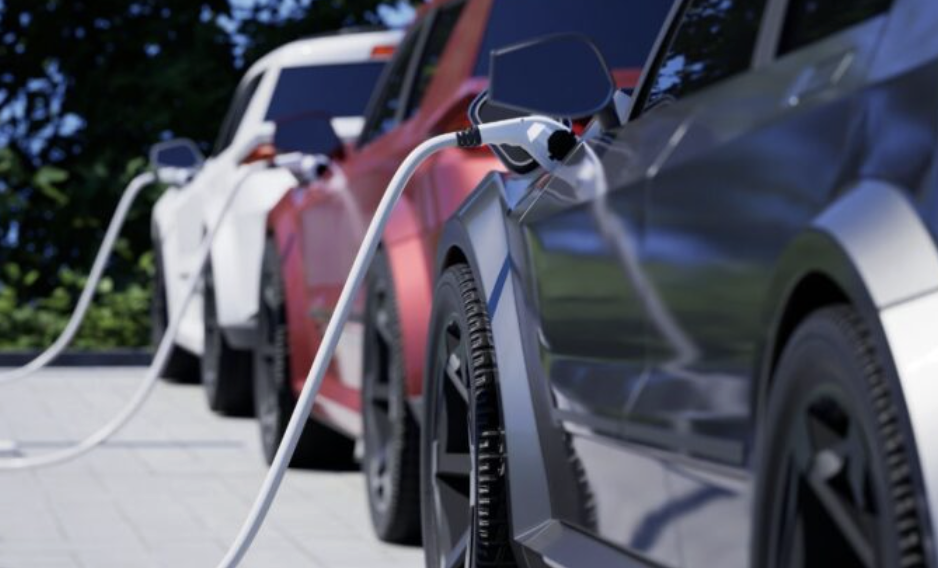
Americans already pay a lot to own and operate a car. They pay sales taxes when they buy it, gas taxes when they fill it up, tolls when they drive certain roads, insurance premiums to keep it legal, registration fees to keep it on the road, inspection fees in many states, and in some places, yearly property taxes simply because they own the vehicle.
Now Congress is considering adding another charge: a new annual federal vehicle registration fee.
Some lawmakers describe it as an “EV fee” aimed at electric and hybrid vehicles. But Americans should be careful before accepting that framing. New taxes rarely stay limited for long.
Virginia learned that lesson the hard way.
In 1997, Virginians pushed back against one of the most unpopular taxes in the country: the local personal property tax on cars. Families bought a vehicle, paid taxes at the time of purchase, and then were taxed again every year for owning it. The tax became a symbol of exactly what people dislike about recurring government charges. It was unavoidable, disconnected from income, and difficult to escape for anyone who needed a car to get through daily life.
Jim Gilmore ran for governor promising to phase it out. Political insiders said it could not be done. Editorial boards scoffed. The state’s establishment treated repeal as unrealistic.
Voters saw it differently.
They understood that a car is not a luxury for most people. It is how they get to work, take their children to school, care for aging parents, buy groceries, and live ordinary lives. When government taxes mobility, it taxes opportunity.
After taking office, Gov. Gilmore signed legislation beginning the phaseout of Virginia’s car tax. The policy was popular, but during the 2001 economic downturn, the legislature paused the phaseout and adopted a formula that permanently capped relief in dollar terms.
That cap allowed the tax to creep back. When Gilmore left office, 70 percent of the car tax had been eliminated. Today, relief stands at only 42 percent.
The lesson is not complicated. Once the government builds recurring vehicle taxes into its budget, those taxes become very hard to remove.