



Conservative Justices Wary of Blocking Trump Immigrant Census Plan
Conservative U.S. Supreme Court justices on Monday appeared reluctant to block a vaguely defined plan by President Donald Trump’s administration to exclude immigrants living in the United States illegally from the…
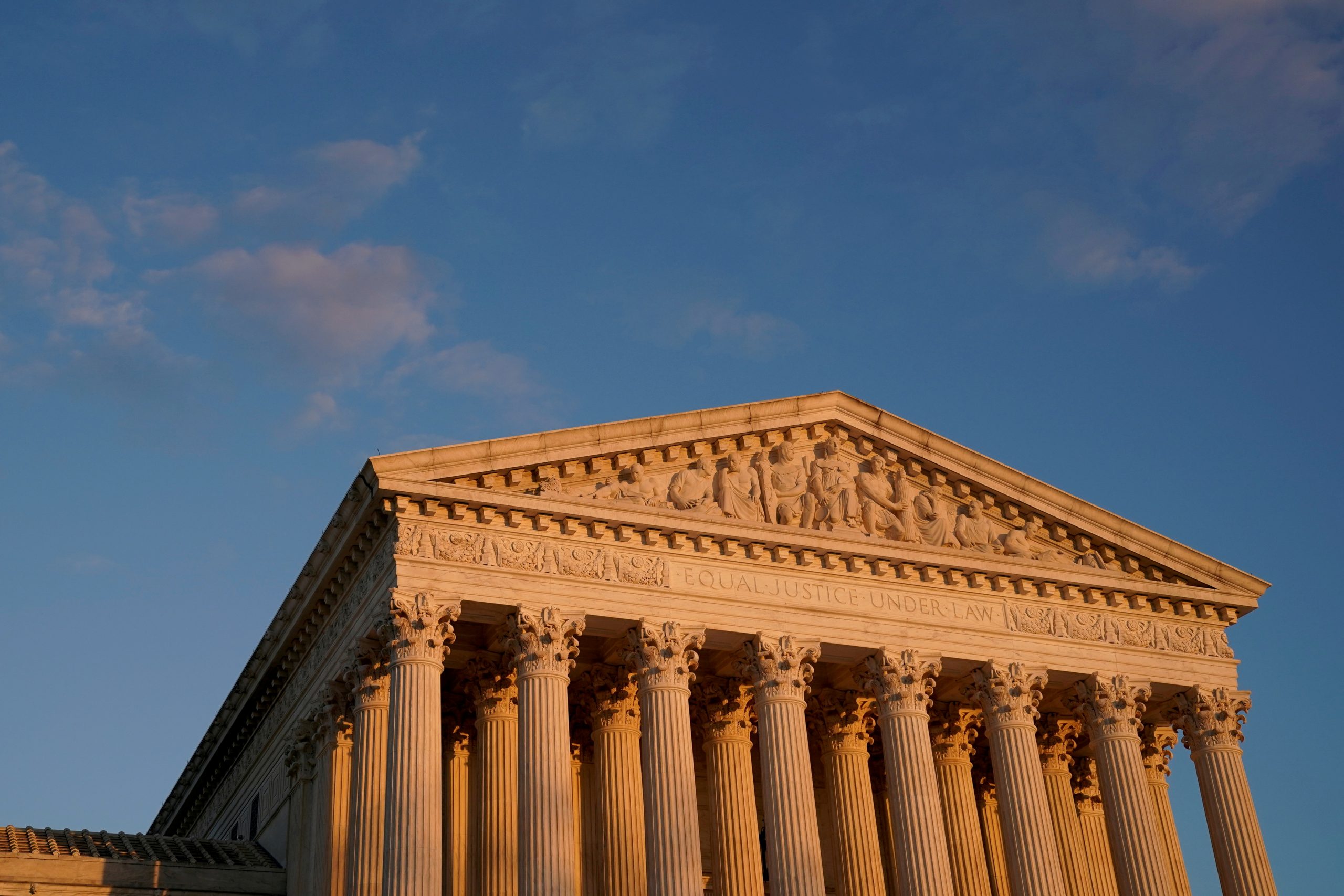
Conservative U.S. Supreme Court justices on Monday appeared reluctant to block a vaguely defined plan by President Donald Trump’s administration to exclude immigrants living in the United States illegally from the population totals used to allocate congressional districts to states.
The court’s conservatives, who hold a 6-3 majority, signaled such a ruling might be premature based on the administration’s admission that it does not yet know how or if it will be able to implement the proposal, a facet of Trump’s hardline policies on Immigration being pursued in his final weeks in office.
Challengers led by New York state and the American Civil Liberties Union have argued that Trump’s proposal would dilute the political clout of states with larger numbers of such immigrants, including heavily Democratic California, by undercounting state populations and depriving them of House seats to the benefit of his fellow Republicans.
The administration has yet to disclose what method it would use to calculate the number of people it proposes to exclude or which subsets of immigrants may be targeted. Acting Solicitor General Jeffrey Wall told the justices the administration could miss a Dec. 31 statutory deadline to finalize a Census Bureau report to Trump containing the final population data including the number of immigrants excluded.
The number of House districts in the 50 states is based on a state’s population count in the decennial national census, which was conducted this year. Democrat Joe Biden is set to become president on Jan. 20 and could reverse course if the apportionment numbers have not been finalized by then.
“We don’t know what the president is going to do,” conservative Chief Justice John Roberts said. “We don’t know how many aliens will be excluded. We don’t know what the effect of that will be on apportionment. All these questions would be resolved if we wait until the apportionment takes place. Why aren’t we better advised to do that?”