



EXCLUSIVE: Big Banks Weaponized Climate To Punish Customers, Watchdog Says
A conservative watchdog group is calling on the U.S. Office of the Comptroller of the Currency (OCC) to investigate major banks over climate-related policies, the Daily Caller News Foundation first learned.
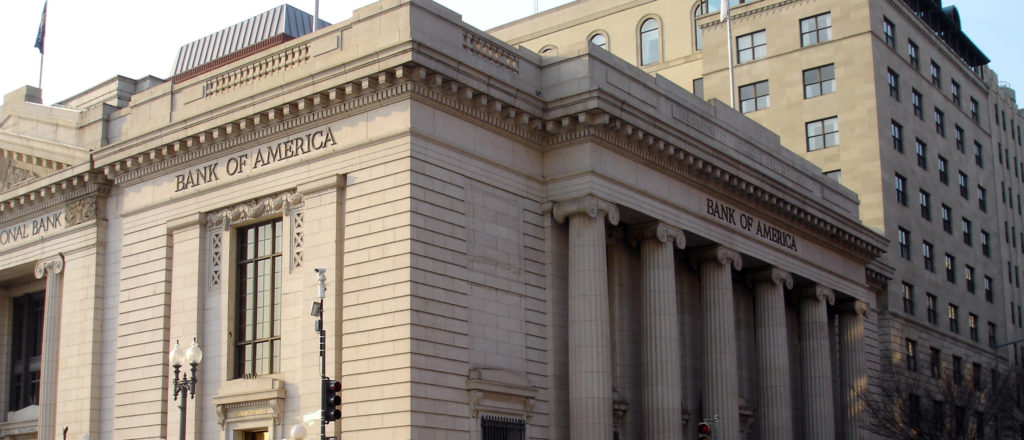

A conservative watchdog group is calling on the federal government to investigate major banks over climate-related policies it says resulted in debanking, the Daily Caller News Foundation first learned.
JPMorgan, Citi, Bank of America and Morgan Stanley are engaging in unsafe banking practices because of their commitments to net-zero carbon emissions and climate-finance targets, Consumers’ Research Executive Director Will Hild warned in the Wednesday letter to the U.S. Office of the Comptroller of the Currency (OCC) first obtained by the DCNF.
OCC in October released a report detailing how these same banks have been engaging in politically motivated debanking since 2020.
“For years, banks have been using their outsized influence to punish their political enemies through debanking for political and religious reasons,” Hild said in a statement to the DCNF. “This practice of cutting off access to bank accounts, lines of credit, and essential financial services has been a blatant weaponization by the banking industry. We hope this information allows the OCC to continue its tireless work ensuring the finance industry stops this woke debanking practice.”
Hild’s letter requests that the OCC build upon its supervisory regulation of these banks and expand its focus on political debanking to encompass climate policy. It lays out three primary concerns about the four major banks’ policies setting climate-based targets.
“First, net-zero and climate-finance targets threaten bank safety and soundness, because they force banks to shift from financing profitable businesses to financing more risky startups,” Hild’s letter reads.
It goes on to argue that these banks are making investments based on climate interests as opposed to fiduciary ones, jeopardizing these banks’ role in maintaining overall financial stability. The letter further suggests that compliance with climate change mitigation policies promotes investment into riskier start-ups — such as electric vehicle companies — as opposed to established energy enterprises.