



DAVID BLACKMON: Geopolitical Risks In The Strait Of Hormuz And Implications For Global Energy Markets
Recent developments in the Middle East, including U.S. military actions against Iranian targets and reported damage to key export infrastructure like Kharg Island, have once again drawn attention to the vulnerability of…
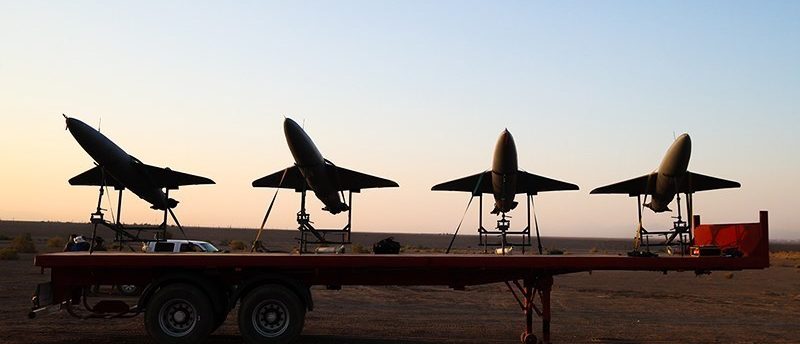

Recent developments in the Middle East, including U.S. military actions against Iranian targets and reported damage to key export infrastructure like Kharg Island, have once again drawn attention to the vulnerability of global energy supplies.
Iran’s threats to fire on tankers trying to transit the Strait of Hormuz have created an insurance crisis for shippers, forcing oil prices to rise. At the same time, Iranian attacks on Qatar’s LNG infrastructure led the world’s second largest exporter to suspend production.
A new analysis from Enverus Intelligence Research finds that these events introduce a significant risk premium to oil prices, with Brent crude potentially facing an additional $10 to $15 per barrel if disruptions escalate. The firm’s baseline forecast had Brent at around $63, but prolonged instability in the region could push prices higher as markets price in supply concerns. Given that the Brent price had already risen by more than $9/bbl as of Tuesday, this seems a conservative projection unless the situation is quickly resolved.
The Strait of Hormuz remains one of the world’s most critical chokepoints, with 20-22% of global crude supplies passing through it daily, alongside about 20% of the world’s liquefied natural gas (LNG). Any sustained closure or heightened threats in this narrow waterway could remove substantial volumes from the market. Enverus estimates that a one-month disruption alone might draw 400 million barrels from global inventories, enough to shift balances from modest surpluses toward tighter conditions and elevate prices into triple digits under severe scenarios.
Iran’s primary oil export terminal at Kharg Island, if offline for any extended period, could constrain up to 2 million barrels per day of shipments. Such an outcome would compound existing pressures on global oil markets, where OECD inventories currently sit above the five-year average but remain sensitive to sudden supply shocks.
The U.S. Strategic Petroleum Reserve, still replenishing after the Biden Administration’s politically motivated, massive drawdowns, offers limited immediate buffer compared to historical highs. As I wrote at the time in 2022, this was bad policy invoked for all the wrong reasons that would inevitably serve to diminish America’s energy security. Now, that day has arrived.