



DAVID BLACKMON: Trump’s Tariff Strategy Isn’t A Big Mystery
Related to his evolving posture and policies related to tariffs, what most tend to forget — or in many cases, simply ignore — about Donald Trump is that he is by his very nature a dealmaker. Using tools of leverage to…
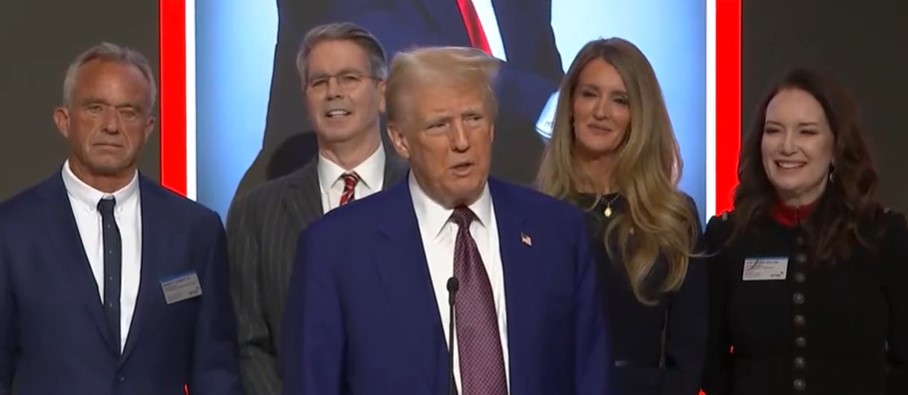

Related to his evolving posture and policies related to tariffs, what most tend to forget — or in many cases, simply ignore — about Donald Trump is that he is by his very nature a dealmaker. Using tools of leverage to negotiate deals is in his bones, and as President of the United States, he possesses more and stronger tools of leverage than any other human on the planet.
Trump’s political adversaries and U.S. trading partners ignore his basic negotiation strategy, which he has laid out in multiple books. That strategy involves staking out an unreasonable position that is far beyond the actual end result he wants to achieve to force his negotiating counterparty to move in his direction, and to modify his positioning until he reaches his desired outcome.
Thus, a 25% tariff invoked on imports of, for example, steel might become a 10% tariff a month later and be gone entirely a few weeks after that, depending on the response of the counter party. At the end of the day, the net impact on the economy and individual companies would amount mainly to a temporary loss of certainty in their ability to plan their business, but not a lot else.
But even when Trump’s tariffs remain firmly in place, overall market dynamics and competition tend to limit any negative economic impacts. When Trump invoked tariffs on imports of Chinese goods during his first presidency, critics moaned they would have disastrous consequences related to inflation and economic growth.
In fact, the impacts were so negligible that these and other Trump tariffs were retained throughout the Biden presidency and remain in place today.
When Trump invoked 25% tariffs on imports of steel and aluminum on March 12, some executives in the oil and gas industry wailed that they would have disastrous impacts on their bottom lines. But in the Q1 2025 Energy Survey published by the Dallas Federal Reserve this week, only 7% of oilfield supply company executives surveyed said the tariffs would have more than a small impact on customer demand, and 37% said the tariffs would have no impact at all or actually increase demand.