



Airline Bailouts? Cash Handouts? Debate Deepens on Inoculating Economy Against Coronavirus
The United States and other rich countries need to start spending their way out of the coronavirus crisis, White House advisers, the International Monetary Fund and business groups said Monday, amid growing market panic…
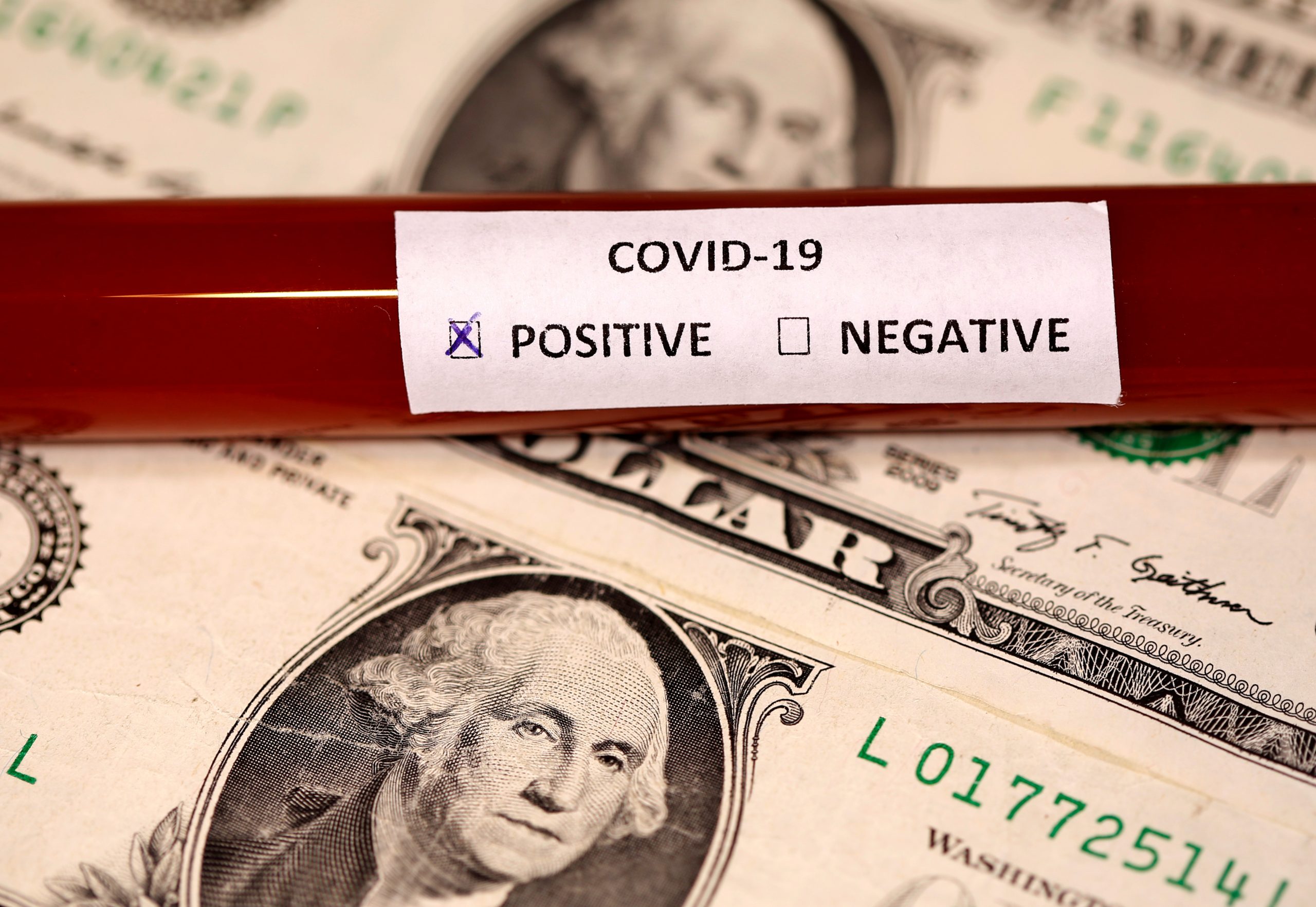
The United States and other rich countries need to start spending their way out of the coronavirus crisis, White House advisers, the International Monetary Fund and business groups said Monday, amid growing market panic about the pandemic.
But they are divided about what measures would be appropriate. Proposals range from rolling back payroll taxes to increasing government lending guarantees to sending $1,000 checks to every American.
Global markets moved sharply lower on Monday after a drastic move by the U.S. Federal Reserve to cut interest rates to near zero failed to assuage growing panic about the outbreak and its impact on business revenues and supply chains.
IMF Managing Director Kristalina Georgieva said pressure was growing by the hour for strong, coordinated fiscal stimulus to limit the damage from the fast-spreading outbreak.
Harry Broadman, managing director of Berkeley Research Group and a former senior U.S. trade official, said “a real abyss” loomed if the executive and legislative branches did not soon do “something economically meaningful on the fiscal side.”
Leaders of the Group of Seven countries said on Monday they are making their response to the coronavirus pandemic a priority and will coordinate public health measures to help stabilize the global economy.
More than 174,100 people have been infected by the coronavirus across the world and 6,684 have died, with cases and deaths outside China overtaking those in the country where the outbreak began, according to a Reuters tally.
PAYROLL TAX CUTS
The United States could pump $800 billion or more into the economy to minimize damage from the Coronavirus Outbreak if Congress passes a payroll tax holiday through year end, White House economic adviser Larry Kudlow told reporters on Monday as U.S. officials scrambled to stem the market alarm.