



Debate To Begin in Senate on Biden’s $1.9 Trillion COVID-19 Relief Bill
A sharply divided U.S. Senate will begin a contentious debate on Friday on a $1.9 trillion coronavirus aid bill that is President Joe Biden’s first major legislative initiative, with Democrats pressing ahead without any…
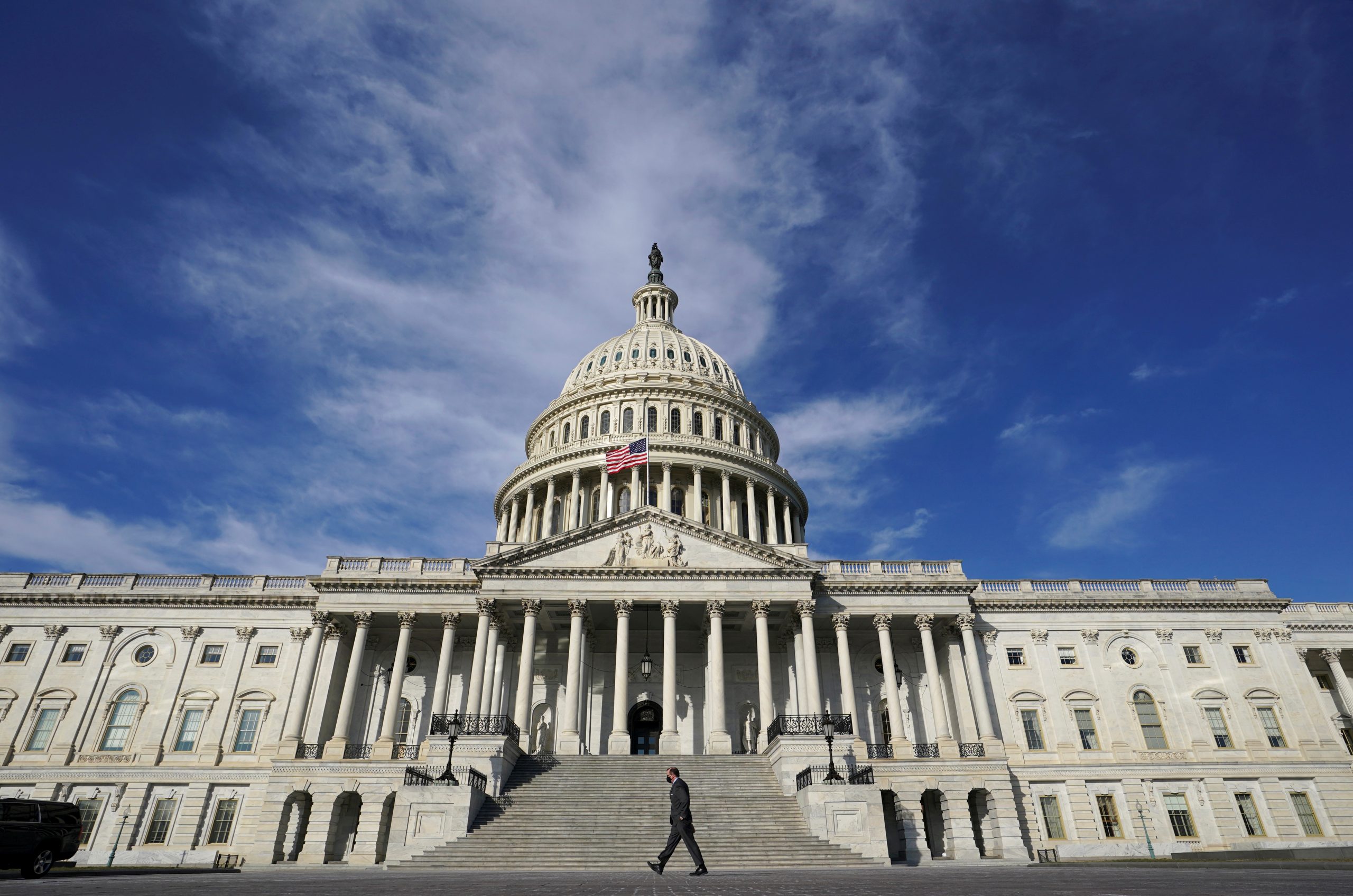
A sharply divided U.S. Senate will begin a contentious debate on Friday on a $1.9 trillion coronavirus aid bill that is President Joe Biden’s first major legislative initiative, with Democrats pressing ahead without any Republican support.
The Senate voted on Thursday to take up the bill in a party-line 51-50 vote, with Democratic Vice President Kamala Harris breaking the tie. But Republicans delayed the start of the debate by forcing the hours-long reading of the full text of the 628-page measure.
The Senate is expected to debate the bill three hours on Friday before considering a multitude of amendments, which could require a marathon voting session, before taking a vote on final passage in a process that could extend into the weekend. Republicans are expected to use procedural maneuvers to slow the process.
If the Senate approves the bill, it will have to be sent back to the Democratic-controlled House of Representatives for final passage. Democrats hope Biden can sign the bill into law before March 14, when some of the current benefits run out.
With no votes to spare, Senate Democrats have tweaked the measure to ensure all 50 of their members would support it. Those changes would steer more aid to smaller U.S. states and add money for infrastructure projects, among other adjustments.
But efforts by some senators to alter temporary federal unemployment benefits failed. The Senate bill keeps the House plan for $400 per-week payments through Aug. 29. It was unclear whether any senators would try to change that figure, possibly to $300, during the amendment process in coming days.
“The time is now to move forward with big, bold, strong relief for the American people,” said Democratic Senate Majority Leader Chuck Schumer, who has promised to keep the Senate at work until the bill is passed.
Republicans, who broadly backed COVID-19 relief spending early in the pandemic, have criticized the bill’s price tag.