



Doctors Challenge ‘Drug Overdose’ Defense in Derek Chauvin’s Murder Trial
Medical experts used anatomical diagrams and charts to testify on Thursday that George Floyd was killed by police pinning him to the ground, not a drug overdose, challenging a key assertion by former police officer…
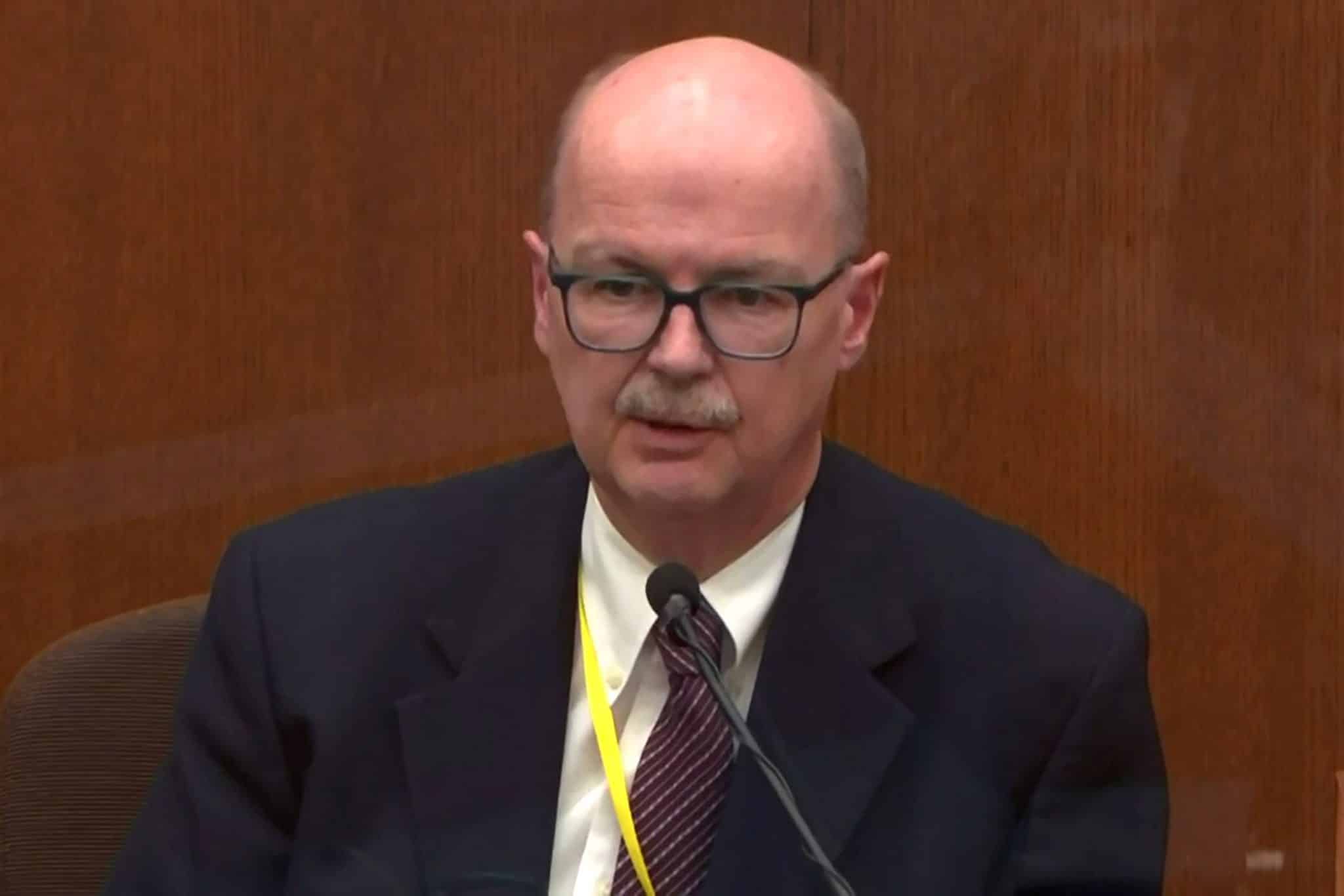
Medical experts used anatomical diagrams and charts to testify on Thursday that George Floyd was killed by police pinning him to the ground, not a drug overdose, challenging a key assertion by former police officer Derek Chauvin in his murder trial for Floyd’s deadly arrest.
Dr. Martin Tobin, who treats patients in a Chicago hospital’s intensive care unit, told the jury that Floyd died “from a low level of oxygen” caused by being handcuffed face down in the street with the police officer’s knee on his neck. Video of the arrest last May sparked global protests.
Jurors touched various parts of their necks under Tobin’s guidance as the doctor gave impromptu anatomy lessons from the stand. Any “healthy person,” he said, would have died in a similar restraint, which he compared to a vise, supporting the county medical examiner’s finding that Floyd’s death was a homicide at the hands of police.
Dr. Daniel Isenschmid said the toxicology tests he performed on Floyd’s blood on behalf of the medical examiner found fentanyl, but at a level comparable to those found in samples taken from living people detained for driving under the influence of narcotics.
Dr. William Smock, a forensic pathologist who works with police, told the jury that Floyd died of “positional asphyxia” from the police holds, “which is a fancy way of saying he died because he had no oxygen left in his body,” he said.
Video of the arrest showed Chauvin, who is white, pinning Floyd’s neck to the ground with his knees for more than nine minutes as Floyd, a 46-year-old Black man, begged for his life, gasping more than two dozen times: “I can’t breathe.” Chauvin has pleaded not guilty to murder and manslaughter charges.
All three doctors called by prosecutors from the Minnesota Attorney General’s Office pointed to different moments from the video that they said undermined Chauvin’s defense.
Tobin said Floyd’s breathing became fatally shallow under the police restraint, but asked jurors to count along with him as they watched body-worn camera video of the dying Floyd’s torso, showing that the number of breaths he took per minute did not decrease up until the moment he lost consciousness.