



EXCLUSIVE: GOP Group Spotlights Crucial 2025 State Supreme Court Races That Democrats Desperately Want To Win
The Republican State Leadership Committee is sounding the alarm about the millions of dollars Democratic Party-aligned groups are expected to invest in several state supreme court races taking place in two battleground…
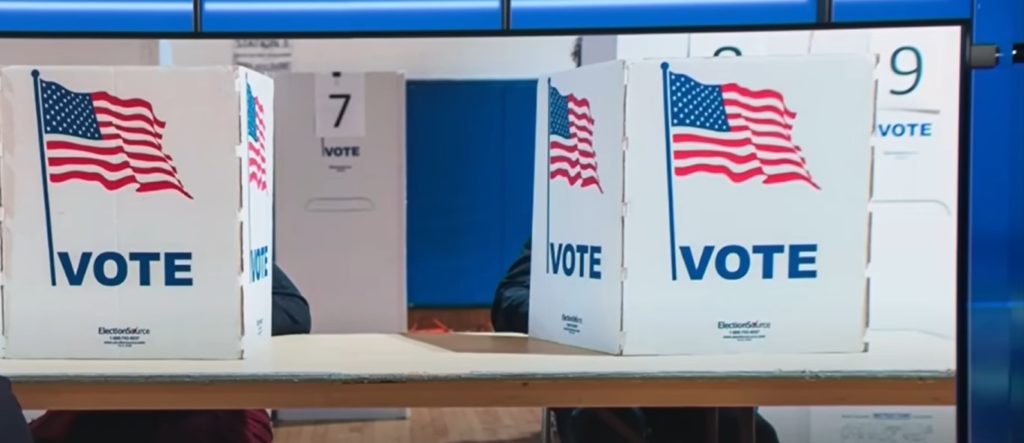
The Republican State Leadership Committee is sounding the alarm about the millions of dollars Democratic Party-aligned groups are expected to invest in several state supreme court races taking place in two battleground states in 2025.
The RSLC’s Judicial Fairness Initiative (JFI), which works to elect conservative judges in states across the country, is highlighting the stakes of state supreme court races in Pennsylvania and Wisconsin this November in a new video released Thursday, exclusively obtained by the Daily Caller News Foundation. The RSLC is warning that the failure of GOP-backed candidates to win these seats will empower Democrats to wield influence over state and federal redistricting processes into the next decade.
Democratic victories in these races would also cement left-wing majorities on the Wisconsin and Pennsylvania Supreme Courts, setting up a scenario where the states’ liberal courts could routinely overrule future Republican majorities in both state legislatures.
“While conservative judges were able to capitalize on historic enthusiasm in 2024, the fight against the radical left’s push to take control of state supreme court seats nationwide to influence the redistricting process at the state and federal levels is about to get a whole lot tougher,” RSLC-JFI President Edith Jorge-Tuñón told the Daily Caller News Foundation. “National liberal groups are expected to invest heavily in these races, but the Judicial Fairness Initiative stands ready to fight back by enhancing our efforts to elect conservative justices who uphold the rule of law.”
“The stakes couldn’t be any higher in 2025, and we will invest significant resources to ensure we win these races that will have consequences for redistricting into the next decade,” Jorge-Tuñón added.