



Zero Rates, Zero Impact: Fed & Co Fail to Calm Markets
Stock markets and oil prices continued to nose-dive on Monday after the second emergency cut in U.S. interest rates in as many weeks — effectively to zero — and supportive measures from all corners failed to quell…
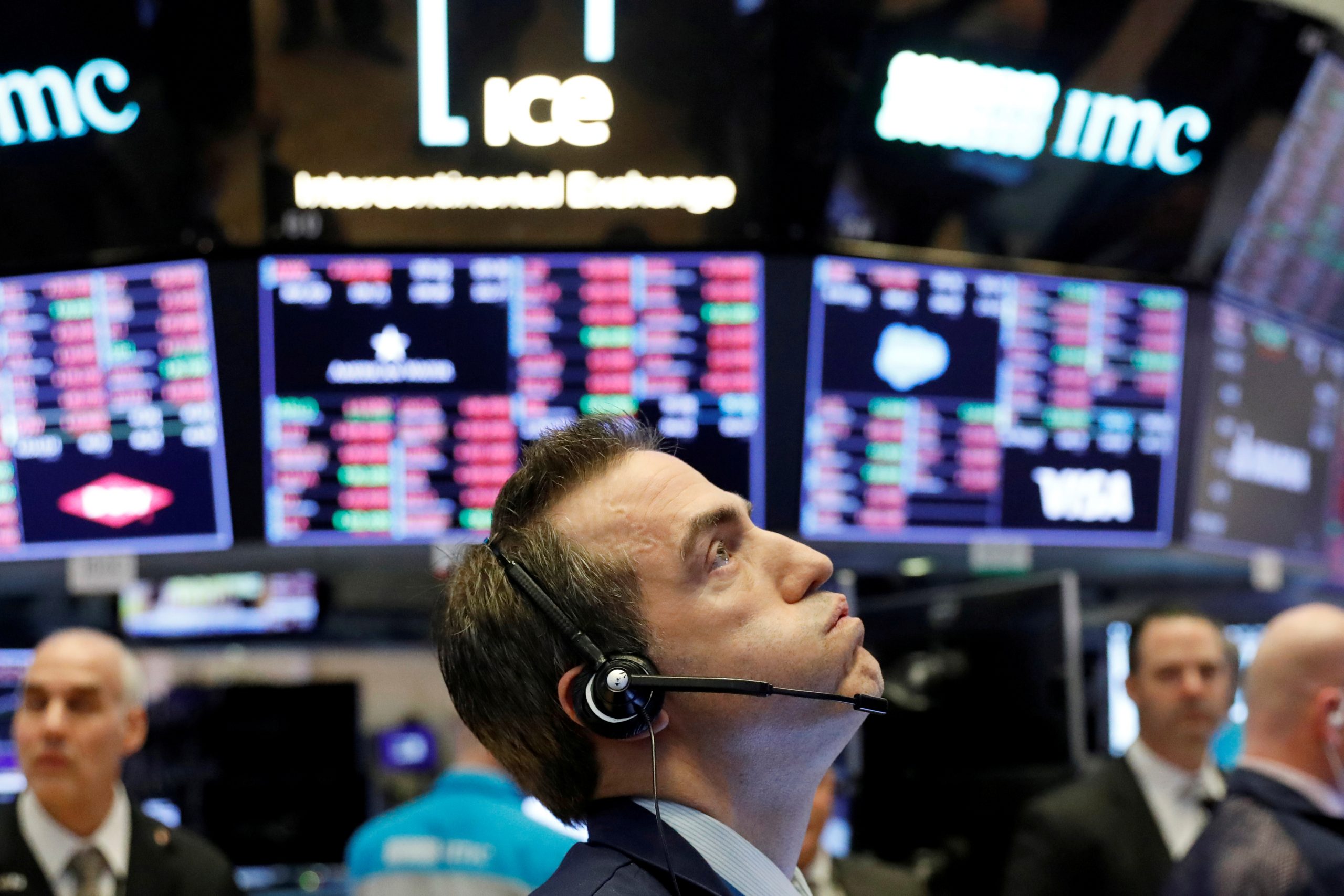
Stock markets and oil prices continued to nose-dive on Monday after the second emergency cut in U.S. interest rates in as many weeks — effectively to zero — and supportive measures from all corners failed to quell coronavirus fears.
The drastic manoeuvres were aimed at cushioning the economic impact as the breakneck spread of the coronavirus all but shut down more countries, but they did little to calm panicky investors worried about firms surviving a prolonged recession.
European stocks plunged close to 10% in brutal trading conditions that also sent volatility gauges surging to record highs and had Wall Street traders expecting more major damage when U.S. markets reopen.
Futures had quickly hit their down limits overnight but the SPDR S&P 500 exchange traded fund was pointing down 10%, while shares of Bank of America Corp, JPMorgan, Goldman Sachs and Citigroup fell between 14% and 17% in premarket trading. Technology heavyweights such Apple, Microsoft and Amazon were together set to lose over $400 billion in market value.
“The central banks threw the kitchen sink at it yesterday evening yet here we are (with deep falls in stock markets),” said Societe Generale strategist Kit Juckes.
“There is a great sense that central banks are going to get to grips with the issues of getting money flowing … But the human problem, the macro problem, there is nothing they can do about that.”
Almost everything was walloped. Oil, already reeling from a price war, slumped 11% to almost $30 a barrel, metals buckled and even traditional safe-haven gold dropped 5% as investors fretted about the impact its global demand.
There were moves in Europe to curb short-selling of stocks, while bond markets tried to juggle both the risk to vulnerable countries but also that a fiscal spending splurge might impact safe-haven debt.
The Fed’s emergency 100 basis point rate cut on Sunday was matched by a restarting of its quantitative easing (QE) money printing programme and more cheap U.S. dollar funding to ease a ruinous logjam in global lending markets.
That was followed on Monday by further policy easing from the Bank of Japan in the form of a pledge to ramp up purchases of exchange-traded funds and other risky assets.