



First Maine Debate To Replace Platner Hailed A Disaster
If you missed the first round of debates among the Maine Democrats hoping to replace the disgraced and now-withdrawn Graham Platner, congratulations. You apparently had something better to do with your evening, and I envy you. The easiest way to summarize the event is this: The first hour was painful. The second was unintentionally hilarious. […]
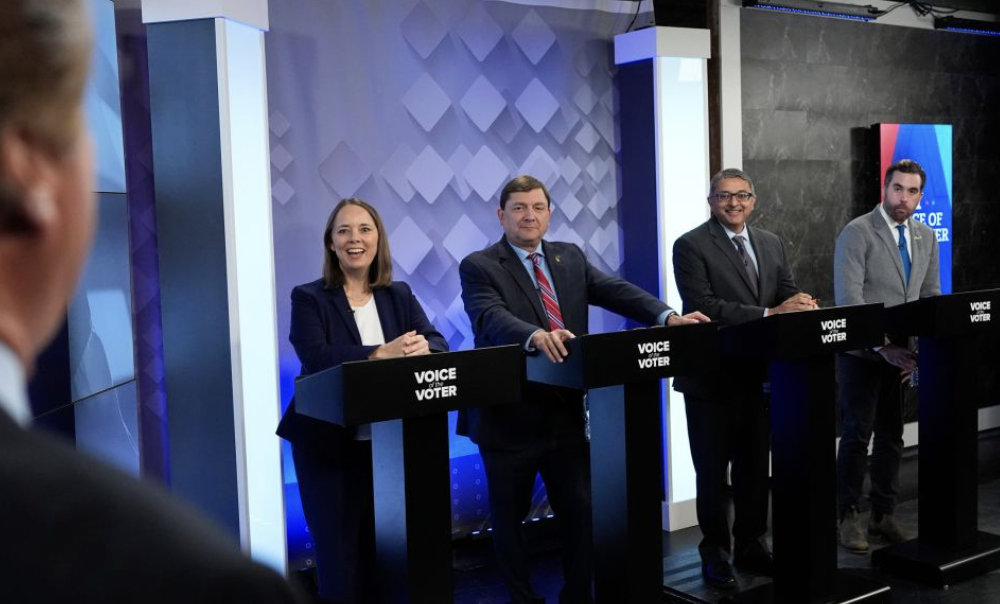
If you missed the first round of debates among the Maine Democrats hoping to replace the disgraced and now-withdrawn Graham Platner, congratulations. You apparently had something better to do with your evening, and I envy you.
The easiest way to summarize the event is this: The first hour was painful. The second was unintentionally hilarious.
Eight candidates are competing for the nomination, which Maine Democrats will decide at a July 25 party convention. The first debate featured four candidates who had already run in other Democratic primaries this year, lost, and still managed to receive at least 20 percent of the vote.
That group included Maine Secretary of State Shenna Bellows, former Maine Senate President Troy Jackson, epidemiologist and public health official Nirav Shah, and Jordan Wood, the former chief of staff to ex-Rep. Katie Porter. Wood finished third in the close Democratic primary for Maine’s 2nd Congressional District.
The second debate was what CNN politely described as “an undercard of sorts,” featuring four lesser-known candidates trying to gain attention in a race that has been thrown together on short notice.
The most serious figure in that group was probably Dan Kleban, founder of the Maine Beer Company. Kleban may have the best chance of tapping into some of the independent, anti-establishment energy that originally helped Platner. He had previously been squeezed out of the Senate race by Platner and the Democratic establishment’s preferred candidate, Gov. Janet Mills.
The undercard also featured Charles Webb, who at least managed to make the second hour more interesting. That was more than could be said for much of the opening debate.
The first four candidates largely agreed with one another on the usual progressive positions. The problem was not simply that their answers were predictable. It was that they delivered them with almost no energy, clarity, or political instinct.
CNN’s assessment was blunt. None of the candidates came close to reproducing the political talent that had allowed Platner to become a viral figure, push a two-term governor out of the race, and poll competitively against Republican Sen. Susan Collins before ending his campaign following a rape accusation, which he has denied.