



Ford Adding Thousands Of U.S. Jobs
Ford is expanding production of Lincoln vehicles in the United States, a move the company says will create thousands of direct and indirect American jobs while reducing its reliance on vehicles imported from China. The automaker announced the expansion as part of a broader effort to increase domestic manufacturing and strengthen its U.S. production base. […]
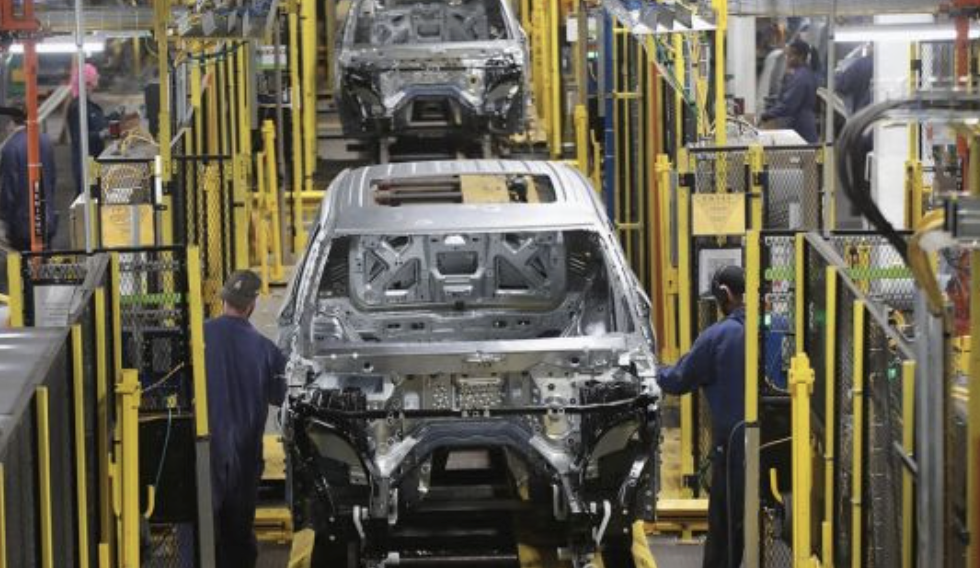
Ford is expanding production of Lincoln vehicles in the United States, a move the company says will create thousands of direct and indirect American jobs while reducing its reliance on vehicles imported from China.
The automaker announced the expansion as part of a broader effort to increase domestic manufacturing and strengthen its U.S. production base. Ford said the move would further reinforce its position as the country’s leading auto producer.
“Lincoln is a quintessentially American brand, and Ford is America’s automaker,” Ford CEO Jim Farley said in a statement.
Farley acknowledged that bringing more production back to the United States was not necessarily the simplest or least expensive option.
“This wasn’t necessarily the easiest path,” he said. “In fact, it’s a path most of our competitors aren’t choosing to take. But Ford builds in America because we believe in America, and we’re betting on that belief again.”
Ford already builds some Lincoln models domestically. The Lincoln Navigator is assembled in Louisville, Kentucky, while the Aviator is produced in Chicago. Some of those vehicles are then exported to markets including Canada, Mexico, and countries in the Middle East.
The company’s latest move represents a shift from an earlier strategy involving more production overseas. In 2023, Ford announced that the Lincoln Nautilus would become the first Lincoln vehicle imported to the United States from China.
Now, the company is moving in the opposite direction.
The change comes as automakers continue adjusting to U.S. trade policy, including tariffs imposed on foreign-made vehicles and automotive products under the Trump administration. Those policies were designed in part to encourage companies to manufacture more vehicles and components inside the United States rather than depending heavily on overseas plants.
Commerce Secretary Howard Lutnick praised Ford’s decision during an interview with Fox Business, describing it as an example of manufacturing returning to the country.