



FRANK LASEE: How Wind And Solar Are Quietly Inflating Electricity Bills
In the first five months of 2025, solar and wind dominated new U.S. electricity generation. Of the 15 gigawatts (GW) added, solar was 11.5, wind was 2.3, and gas was just 1.3, according to the Federal Energy Regulatory…
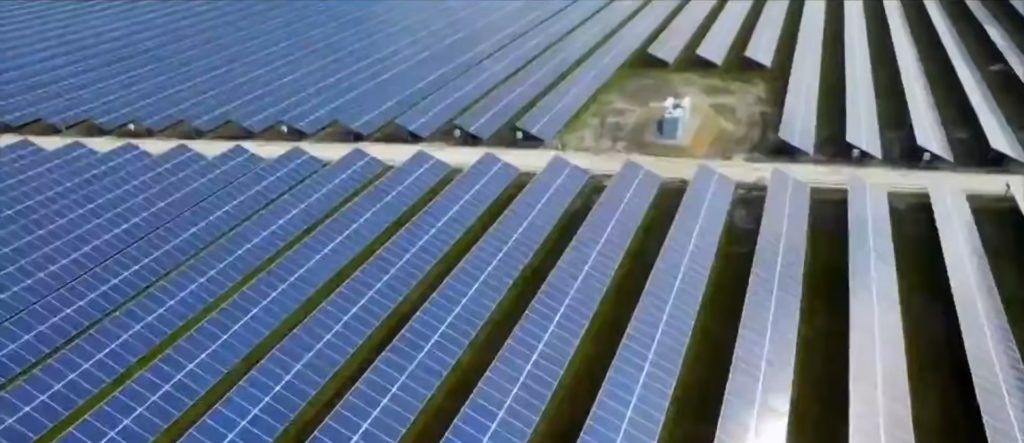

In the first five months of 2025, solar and wind dominated new U.S. electricity generation. Of the 15 gigawatts (GW) added, solar was 11.5, wind was 2.3, and gas was just 1.3, according to the Federal Energy Regulatory Commission (FERC). Industry voices like Stephanie Bosh of the Solar Energy Industries Association hail this as proof that solar delivers power “faster and cheaper than any other source.” Is this true?
As we accelerate toward a grid increasingly reliant on wind and solar, a closer look reveals a troubling reality: these intermittent sources are driving up electricity costs, not slashing them, through a web of hidden expenses that threaten reliability and affordability.
Solar and wind’s part-time nature is the root issue. Solar generates nothing at night, little in the first and last hours of daylight, and falters under clouds, rain, or snow. Wind generation varies unpredictably. This intermittency doesn’t just displace fossil fuels like natural gas and coal—it forces them into inefficient backup roles.
Calling fossil fuels backups is a misuse of the English language that only serves the wind and solar industrial complex. It’s equivalent to calling the starting pitcher a backup in favor of a pitcher who can only play when the wind blows or the sun shines.
Hydrocarbon, coal and natural gas plants, with fixed costs (capital, maintenance, and employees) comprising 60-75% of operational costs, must raise prices on reduced sales volumes to break even. As renewables flood the market during peak production, they suppress wholesale prices temporarily, where subsidized low-bid renewables set the prices for all. In other grids, they get windfall profits, getting the highest price paid for electricity.
Yet, in the “pay-as-clear” system, evening ramps or scarcity periods spike prices, as expensive peaker plants — needed more frequently for renewable gaps caused by the addition of wind and solar — set the highest price, which is paid to all.
Consider the evidence from high wind and solar regions. California’s residential rates are 30-35 cents/kWh—nearly double the U.S. average of 17 cents — despite 50% wind and solar. Germany’s prices top 36-41 cents/kWh with 55% from wind and solar; Denmark and the UK follow suit at 37 and 29-32 cents, respectively.