



FRANK RICCI: Secret Service’s Leadership Structure Is Out Of Whack. It’s Time To Fix It
The resignation of Secret Service Director Kimberly Cheatle highlights a crisis of competence within the agency. The systemic failures and the spread of a toxic diversity, equity and inclusion(DEI) culture throughout…
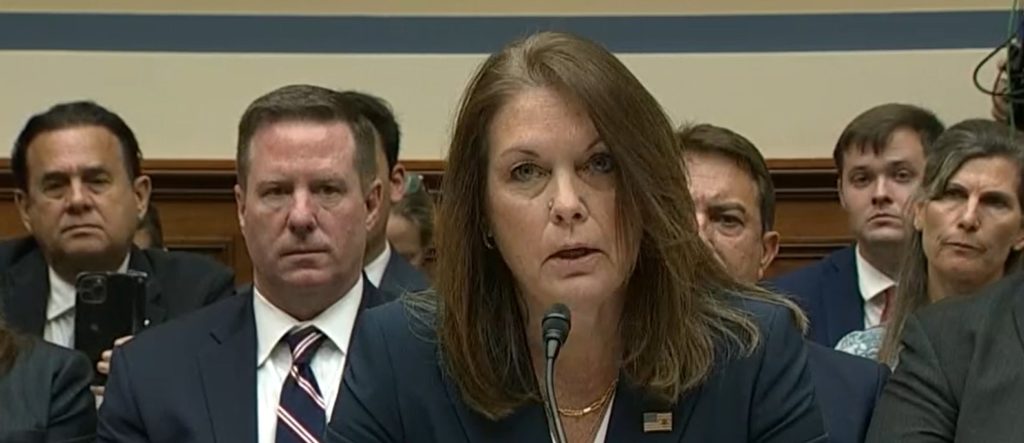

The resignation of Secret Service Director Kimberly Cheatle highlights a crisis of competence within the agency. The systemic failures and the spread of a toxic diversity, equity and inclusion(DEI) culture throughout the government bureaucracy indicates that merely cutting off the head will not cure the cancer.
Charles Krauthammer stated: “The reason people believe in conspiracy theories is because they think the government is competent.” He argued that many supposed conspiracies are the result of incompetence rather than deliberate, coordinated actions.
While Krauthammer’s insight is sharp, it does not fully capture the pernicious progression from incompetence to what might be termed “soft corruption.” When ineptitude, irresponsibility and incompetence persist, they metastasize into a form of corruption.
The recent assassination attempt on former President Donald Trump underscores the urgency of this issue. Public accountability demands a thorough examination of failures, not just at the top or at the point of the catastrophic failure, but an in-depth evaluation of the slow drift that preceded it.
These are the small, often unnoticed lapses that, taken individually, may seem insignificant. Bad behavior or policy ignored is reinforced by a repeated positive outcome. This results in devaluing the threats over time — leading to greater vulnerability.
In this incident, the absurdity of not ensuring that a clear line of sight from an elevated position was not blocked or that law enforcement was stationed there is glaring. The failure to detain someone with a range finder is incomprehensible.