





GOP Candidates Suddenly Get Cold Feet On Iran War As Election Looms
Republicans running in battleground states began speaking out against the Iran war as the midterm elections inched closer.
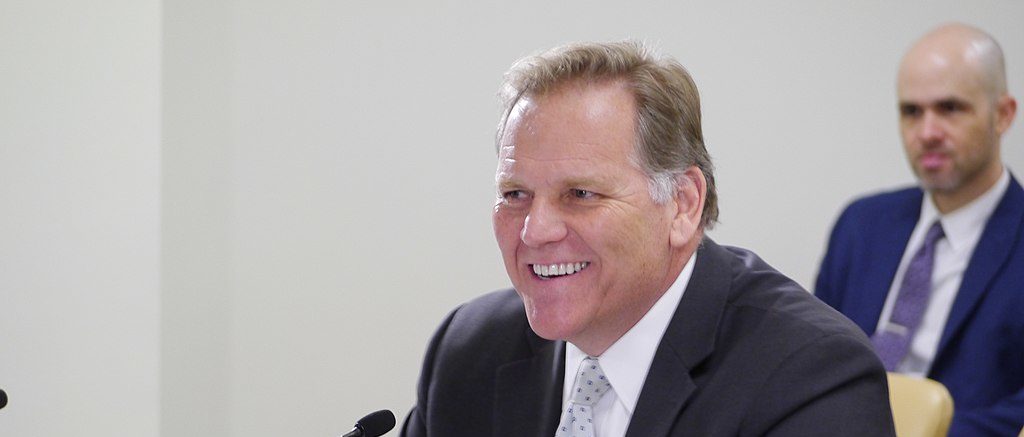

Republicans running in battleground states began speaking out against the Iran war as the midterm elections inched closer.
Candidates called for an end to the war while a majority of Americans disapproved of the conflict and expressed concerns about the economy. Republican Iowa Rep. Ashley Hinson, Republican Ohio Sen. Jon Husted, Republican Wisconsin gubernatorial candidate Tom Tiffany and Michigan Senate candidate Mike Rogers defended President Donald Trump entering the conflict or have voted against war powers resolutions to rein in the conflict, but have since begun speaking out.
“I just believe that we should be exiting Iran, that it’s time to move on, we’ve degraded their nuclear facilities, we’ve degraded their military, most of their ships are in the bottom of the ocean. Time to come home take care of business here in America,” Republican Wisconsin gubernatorial candidate Tom Tiffany said Tuesday. “But that business in America is really important, that we take care of and it’s important that this governor do the things that he can to reduce costs for people here in Wisconsin and that is reducing taxes and the 400-year property tax increase, give all the budget surplus back to the people of Wisconsin, end taxes on tips and overtime, ten percent income tax cut for the middle class.”
Republican Ohio Sen. Jon Husted told Politico Tuesday that the war needed to “end as quickly as possible.” He was running against former Democratic Ohio Sen. Sherrod Brown to keep his seat in a state where rising gas prices have become a central issue.
“The war needs to come to an end as quickly as possible so that we can lower gas prices,” Husted said. Husted voted against a war powers resolution in July one day after telling CNN he wanted an end to the war.
Top congressional and Senate Republicans raised concerns about the Ohio Senate race, as well as the races in Iowa, Texas and Kansas, causing millions to be spent in states once considered safely Republican,