



GOP Gains Momentum After This Ruling
Republicans are treating the Supreme Court’s latest ruling on Louisiana’s congressional map as more than just a state-level decision. They see it as an opening that could shape control of the House in the upcoming…
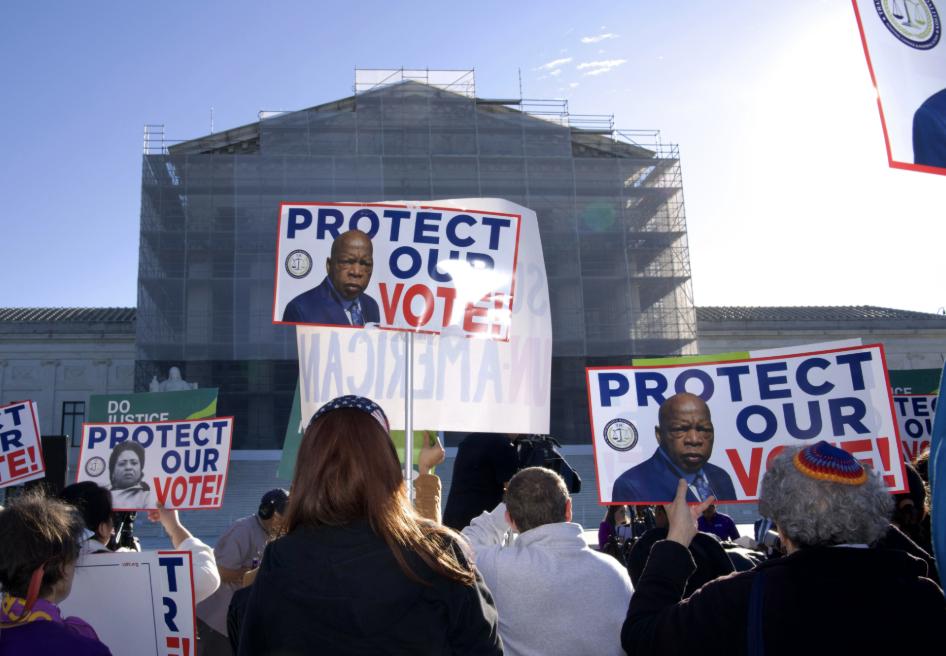
Republicans are treating the Supreme Court’s latest ruling on Louisiana’s congressional map as more than just a state-level decision. They see it as an opening that could shape control of the House in the upcoming election cycle.
In a 6–3 decision, the Court struck down Louisiana’s map that included a majority-Black district, a move that shifts how race can be considered when drawing congressional lines. While the ruling doesn’t eliminate Section 2 of the Voting Rights Act—the part that prohibits racial discrimination in voting—it narrows how it can be used. In practical terms, that could make it harder to justify districts designed primarily to ensure minority representation.
Republican strategists say that change gives states, particularly in the South, more room to redraw maps in ways that could benefit their party. Some are already encouraging lawmakers to act quickly, arguing that even small adjustments in a handful of districts could make a difference in a closely divided House. With margins often coming down to just a few seats, redistricting has become a key battleground.
Democrats and voting rights advocates see the decision very differently. Many argue it weakens protections that were meant to ensure minority voters have a fair chance to elect candidates of their choice.
Members of the Congressional Black Caucus were especially critical, warning that the ruling could undo decades of progress. Some have called for legislative fixes or structural changes to the Court itself, including term limits for justices.
The immediate impact of the ruling is still unclear. Election analysts note that it may only affect a limited number of districts right away, but it opens the door to more legal challenges. States like Louisiana will now have to redraw their maps, and others could follow by revisiting their own boundaries.
There are also practical constraints. In several states, filing deadlines have passed or primaries are already underway, making last-minute changes difficult before this year’s elections. That means the full effects of the decision may unfold gradually, with more noticeable changes showing up in future election cycles rather than immediately.