



Gorillas’ Medicinal Plants Offer Clues For Drug-Resistant E.coli
Dr. Oyaba Yinda says that wild great apes often consume medicinal plants that can treat their ailments. GUERRERO DE LA LUZ VIA PEXELS. “> Self-medicating gorillas have provided valuable clues in the search for new…
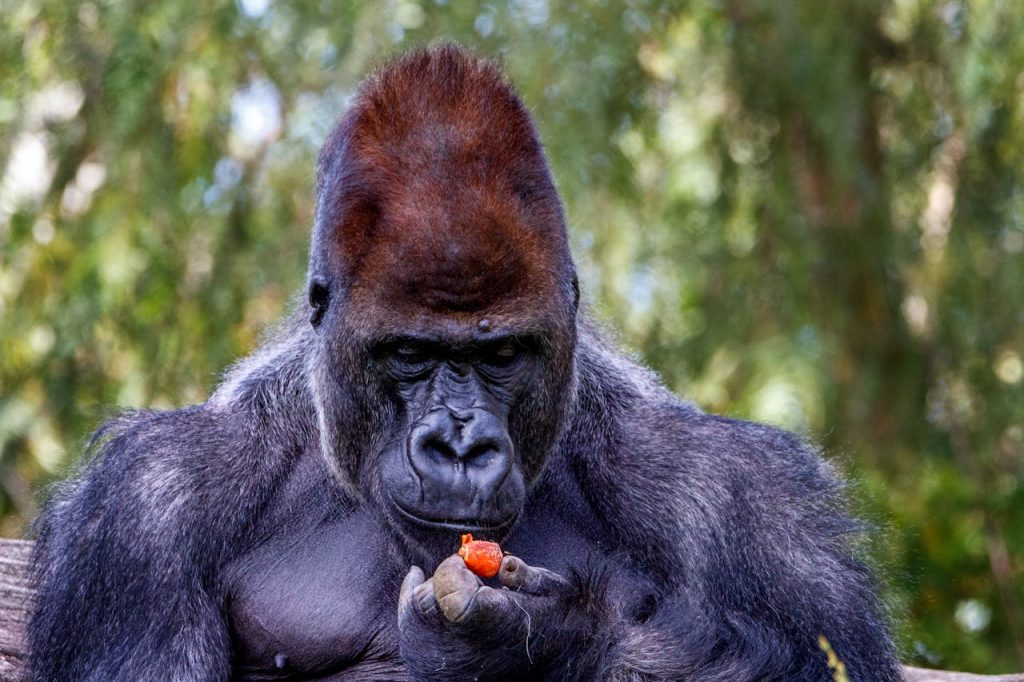

Dr. Oyaba Yinda says that wild great apes often consume medicinal plants that can treat their ailments. GUERRERO DE LA LUZ VIA PEXELS.
“>
Self-medicating gorillas have provided valuable clues in the search for new medicines to combat drug-resistant strains of E.coli.
Scientists say four plants consumed by wild gorillas in Gabon and used by local communities in traditional medicine show antibacterial and antioxidant properties.
Study leader Dr. Leresche Oyaba Yinda of the Interdisciplinary Medical Research Center in Gabon said: “Wild great apes often consume medicinal plants that can treat their ailments.
“The same plants are often used by local people in traditional medicine.”
The research team observed the behavior of western lowland gorillas in Moukalaba-Doudou National Park in Gabon and recorded the plants they ate.

They also interviewed 27 people living in the nearby village of Doussala, including traditional healers and herbalists, about the plants used in local traditional medicine.
The researchers identified four native plant species that are both consumed by gorillas and used in traditional medicine: the fromager tree (Ceiba pentandra), giant yellow mulberry (Myrianthus arboreus), African teak (Milicia excelsa) and fig trees (Ficus).
The team tested bark samples of each plant for antibacterial and antioxidant properties and investigated their chemical composition.
They found that the bark of all four plants had antibacterial activity against at least one multi-drug-resistant strain of the potentially deadly Escherichia coli (E.coli) infection.
