



Healthcare System Apologizes After System Malfunction Sends Out Letters Telling Living Patients They Were Dead
Over 500 patients in Maine were left shocked and confused after receiving letters from the state’s largest healthcare provider, MaineHealth, stating they were dead. The letters, which were sent out on October 20, came…
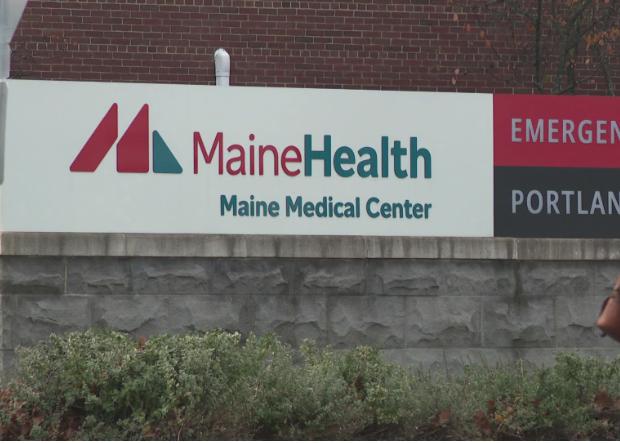
Over 500 patients in Maine were left shocked and confused after receiving letters from the state’s largest healthcare provider, MaineHealth, stating they were dead. The letters, which were sent out on October 20, came from an automated system that allegedly malfunctioned, leading to a major communication error that the hospital network has since admitted and apologized for.
According to a statement released by MaineHealth, a total of 521 letters were mistakenly generated and mailed through a third-party vendor. Each letter was written as if the recipient had passed away, sparking confusion and, in some cases, fear among the individuals who received them.
“MaineHealth sincerely regrets this error,” the organization said in its statement. “We have since resolved the issue and sent apology letters to every affected patient.”
Hospital officials were quick to clarify that no patients were actually marked as deceased in their official medical records, and there was no disruption to medical care or treatment as a result of the mistake. The error was reportedly tied to a single automated tool used in an estate-notification system, which is based out of MaineHealth’s Portland headquarters.
That system is responsible for managing communications related to patients who are reported deceased, usually to coordinate legal or medical next steps. However, in this case, the system glitched and sent out letters to hundreds of living individuals instead.
MaineHealth oversees several major hospitals, including Maine Medical Center and eight others across Maine and New Hampshire. With over 20,000 employees, it is considered one of the largest healthcare systems in the region. The organization recently upgraded parts of its digital infrastructure, including electronic medical record systems and automated communication tools. Officials say they are now reviewing the automation process that triggered the incident and are taking steps to ensure it doesn’t happen again.
Nationwide, hospitals and health networks have increasingly turned to automation to manage communications and records, but not without problems. From incorrect bills to digital alerts that falsely declare patients deceased, glitches in electronic health systems have created concerns for years. A 2022 report from Pew Charitable Trusts pointed to common errors in electronic medical records as potential risks for patient safety. These include missed lab results, incorrect prescriptions, and failures in alert systems.