



Historic US Vaccine Campaign Begins With First Shipments ‘Delivering Hope’ To Millions
The first shipments of COVID-19 vaccine left on trucks and planes early on Sunday, kicking off a historic effort to stop a surging pandemic that is claiming more than 2,400 lives a day in the United States. Mask-wearing…
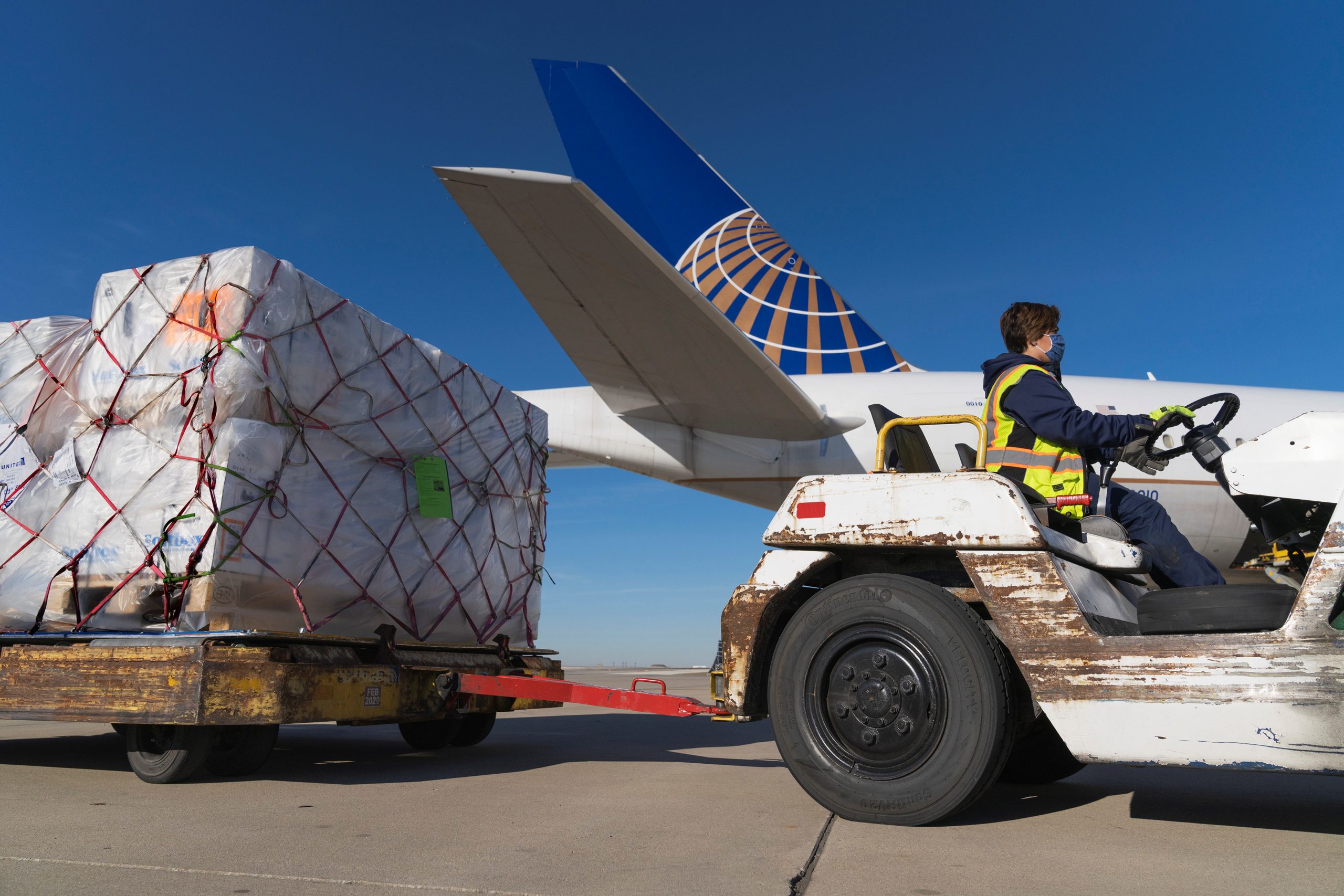
The first shipments of COVID-19 vaccine left on trucks and planes early on Sunday, kicking off a historic effort to stop a surging pandemic that is claiming more than 2,400 lives a day in the United States.
Mask-wearing workers at a Pfizer Inc factory in Michigan began packing the first shipments of the vaccine developed with German partner BioNTech SE in dry ice shortly after 6:30 a.m. ET (1130 GMT) on Sunday.
Trucks carrying pallets of boxed, refrigerated vaccine began rolling away from the Kalamazoo facility, escorted by body armor-clad security officers. The shots then were loaded onto FedEx and United Parcel Service planes that will whisk the precious cargo across the country.
“Today, we’re not hauling freight, we’re delivering hope,” said Andrew Boyle, co-president of Boyle Transportation, which was hired by UPS to help ferry vaccine from the factory to a waiting plane in Lansing, Michigan.
Boyle employee Bonnie Brewer, 56, said decades of experience hauling chemotherapies and other life-saving drugs prepared her for Sunday’s historic run.
“It feels amazing,” Brewer told Reuters after the cargo was safely handed off.
U.S. hospitals are preparing for the first shots to go into arms on Monday, but it will take months before most Americans can get a COVID-19 vaccine. Healthcare workers and elderly residents of long-term care homes are first in line to receive the inoculations of a two-dose regimen given about three weeks apart.
More than 100 million people, or about 30% of the U.S. population, could be immunized by the end of March, U.S. Operation Warp Speed chief adviser Dr. Moncef Slaoui said in an interview with Fox News Sunday.
That would still leave the country far short of herd immunity that would halt virus transmission, so masks and social distancing will be needed for months to control the rampaging outbreak.
Health officials will also have to overcome widespread hesitancy about the new vaccines, with many Americans concerned the record speed at which they were developed may have compromised safety. Only 61% of U.S. respondents said they are open to getting inoculated, a Reuters/Ipsos poll showed.